
Prosthetic Skin Care: A Daily Routine to Protect Your Residual Limb
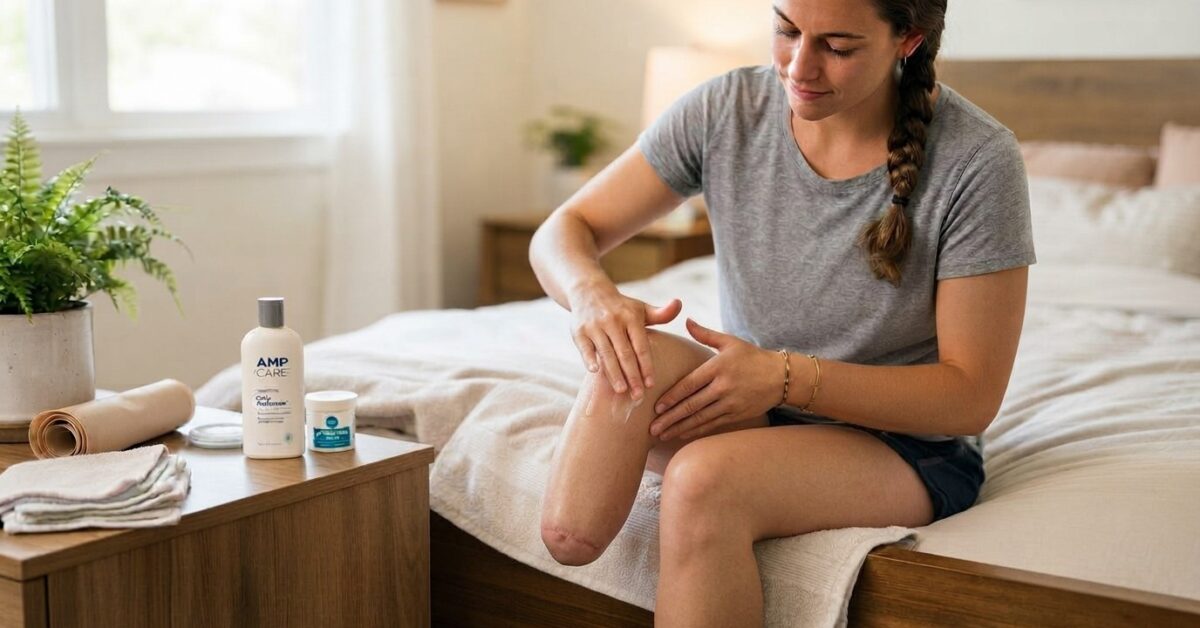

A prosthesis only helps if you can wear it, and you can only wear it if the skin underneath stays healthy. Good prosthetic skin care takes a few minutes a day, yet it can prevent blisters, infections and weeks of being unable to use your limb. This guide brings together advice from the Merck Manual (known outside North America as the MSD Manual) and prosthetic maker Össur, in simple steps for users and families.
It is general information. Your own prosthetist and doctor know your limb best, so always follow their instructions first.
Why the skin under a prosthesis needs extra care
The skin of a residual limb was never designed to carry body weight inside a socket. According to the Merck Manual, skin damage usually starts where there is pressure or rubbing, especially sideways rubbing, and the risk is higher when the skin is wet with sweat.
The liner or socket also creates a warm, moist space. Merck notes that this encourages bacteria and fungi to grow, and that damp skin breaks down more easily, letting germs in. Even a well-made socket can start to fit differently as muscles shrink and the limb’s fluid volume changes from day to day.
Some people need to be especially careful. Conditions that reduce blood flow, such as diabetes and peripheral arterial disease, raise the risk of skin breakdown and infection after amputation. People with reduced feeling, for example from diabetic nerve damage, may not notice a sore until it is serious. OPPAK’s guide to diabetic foot care explains why loss of sensation is so dangerous.
Step 1: Wash the residual limb every day
- Merck advises washing the residual limb with a mild soap and rinsing it thoroughly twice a day, and more often if you sweat a lot.
- Össur recommends a mild, pH-neutral soap or a special cleansing lotion, and applying a moisturising cream in the evening, preferably at bedtime.
- Dry the skin well before putting the liner back on. Wet skin is more likely to break down.
- If heavy sweating is a problem, ask your prosthetist. Merck notes that prosthetists can provide antiperspirant products made for people with an amputation.
- Avoid shaving the residual limb. Merck says not shaving helps prevent painful ingrown hairs and infected hair follicles.
Step 2: Check your skin, every time
Merck’s advice is simple: pain is the first warning sign. When you feel an unpleasant sensation, take the prosthesis off and look at the skin.
- Use a mirror to see every side of the limb, as Össur suggests, including the back and the end.
- In the early weeks, check the limb each time you change a dressing or take the prosthesis off. Later, a daily check after washing is usually enough.
- If you have diabetes or reduced feeling, Merck advises removing the prosthesis several times a day to check for redness and other signs of trouble.
- Look for redness, a burning feeling, swelling, blisters or open sores. Merck says redness and burning are usually the first signs of skin breakdown.
Step 3: Clean the liner like a sock
Össur compares the liner to a sock: it touches your skin directly and collects bacteria. Its guidance is to clean the liner after each wear or daily by hand, and at least once a week in a washing machine if the manufacturer allows it.
- Turn the liner inside out so the silicone side faces outward.
- Wash the silicone side with a mild, pH-neutral soap or a liner cleaner made for the purpose.
- Rinse well so no soap is left behind.
- Turn it back, wipe the outside with a damp cloth, and hang it to dry completely.
- Never dry a liner directly on a heater, and keep it out of direct sunlight.
Össur also suggests a second liner if possible, so you can change daily and let each one dry fully. Ask your prosthetist whether this is an option for you. Liner technology keeps improving; OPPAK recently reported on a 3D-printed silicone liner designed for a more personal fit.
Step 4: Don’t forget the socket and socks
- If you wear a liner, Össur advises cleaning the socket at least once a week with water and pH-neutral soap, then letting it dry.
- If your limb sits directly in the socket without a liner, for example with suction suspension, clean the socket daily.
- Wash prosthetic socks and other fabric parts at least two to three times a week, following the product instructions.
Healthy habits that protect the fit
Merck describes keeping a stable body weight as the best way to make sure a prosthesis keeps fitting, because even small weight changes can affect the fit. Eating a healthy diet, drinking water through the day and, for people with diabetes, controlling blood sugar all support healthy skin. Making sure a lower-limb prosthesis is correctly aligned also helps.
Warning signs: when to see your prosthetist or doctor
If you notice signs of skin breakdown, Merck advises seeing your prosthetist promptly so the fit can be checked and adjusted, and avoiding wearing the prosthesis until then where possible. If the prosthesis is not the cause, or adjustment does not help, a doctor should examine the limb.
Merck says any sign of infection needs to be checked by a doctor, and lists the following as needing immediate medical attention, to stop an infection from becoming life-threatening:
- The residual limb feels cold, which may mean poor blood flow.
- The affected area is red and tender.
- The area gives off a bad smell.
- Lymph nodes in the groin or armpits swell.
- Pus or a thick discharge is present.
- The skin turns red, brown, purple, green or black and becomes soft, which may mean gangrene.
Merck adds that fever and feeling generally unwell can mean a minor infection has spread. It also warns about rough, wart-like bumps at the end of the limb: these are usually caused by an ill-fitting socket and need a prompt visit to your prosthetist for a socket adjustment.
The bottom line
Wash, dry, check, clean – every day. These small habits protect your skin, help your liner and socket last longer, and keep you walking or working with your prosthesis. Do not try to fix a painful socket yourself or rely on unqualified workshops; a qualified, registered prosthetist can adjust the fit safely. For the bigger picture of recovery, read Life After Amputation: Understanding the Rehabilitation Journey.
Know someone who uses a prosthesis? Share this routine with them and their family – it could save them weeks of pain.
Sources
OPPAK is Pakistan's dedicated hub for orthotics and prosthetics since 2006— connecting students, professionals, patients and employers with credible news, education pathways, jobs, and success stories.
Related in Amputee rehabilitation

Leave a Reply