
Life After Amputation: Understanding the Rehabilitation Journey
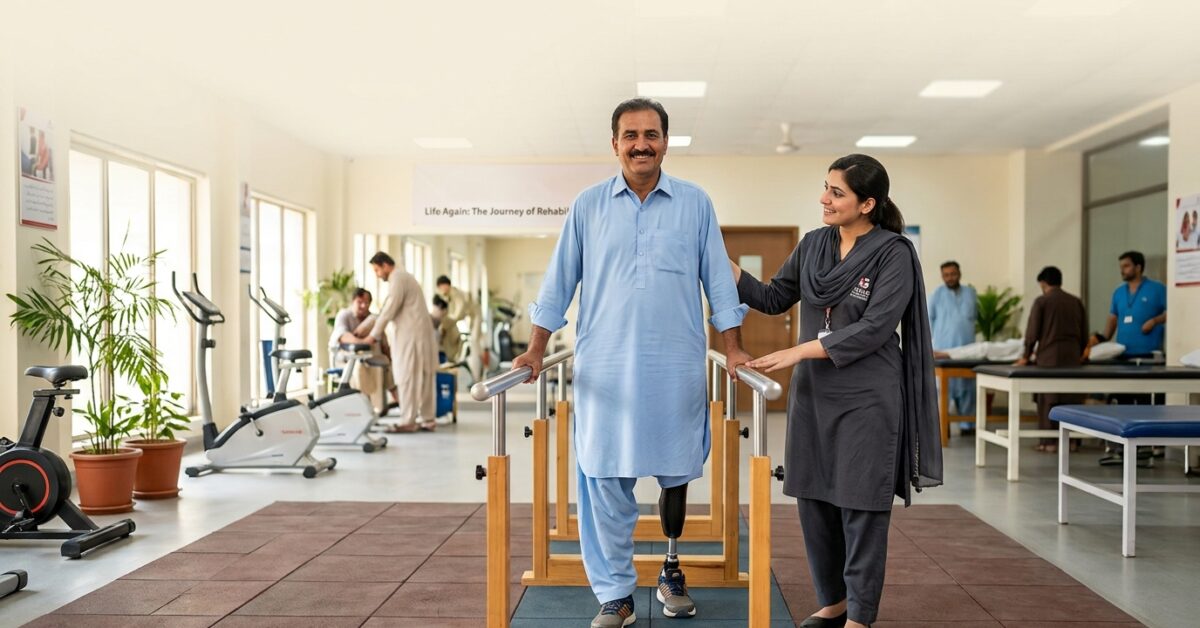

Losing a limb, whether through injury, infection, vascular disease, diabetes or cancer, changes a person’s life in ways that go far beyond the physical. Yet in the years I have spent around clinics, workshops and universities, one thing has stayed consistent: amputation is not the end of an active, independent life. It is the beginning of a different path, and rehabilitation is what helps a person walk that path with confidence.
Many people believe rehabilitation begins the day a prosthetic limb is fitted. In truth, it begins much earlier. When surgery is planned rather than emergency, the best results come from meeting the rehabilitation team before the operation. A conversation with a physiotherapist, a prosthetist and, where possible, someone who has already been through the experience can reduce fear enormously. It also allows the surgical team to consider the level of amputation and the shape of the residual limb with future function in mind. Even when surgery is urgent, rehabilitation thinking should start on the first day after it.
The first weeks after surgery
The early phase is about healing and protection. The wound needs to close well, swelling needs to be controlled, and the joints above the amputation need to stay mobile. Swelling is normal, but if it is left unmanaged it delays healing and makes later prosthetic fitting harder. Compression with bandages or a shrinker sock, applied as advised by your clinical team, helps the limb settle into a shape that will suit a socket.
Positioning matters more than most people realise. After a below-knee amputation, resting the knee bent over a pillow for long periods can lead to a stiff knee that will not straighten fully, and that stiffness can make walking with a prosthesis very difficult. After an above-knee amputation, the hip is at similar risk. Simple habits such as lying flat for part of the day, stretching as instructed and keeping the joints moving can protect the results of surgery for years to come.
Phantom sensations deserve a mention here because they surprise and frighten many people. Feeling that the missing limb is still present, sometimes with itching, tingling or cramping, is very common and is not a sign of mental illness. Some people also experience phantom pain, which can be genuinely distressing. It is a real neurological experience, and it should be reported to your doctor rather than endured in silence. Medication, mirror therapy, desensitisation of the residual limb and graded movement exercises are among the approaches used, and the response varies from person to person.
The emotional side of recovery
We talk a great deal about sockets, knees and feet, but the emotional adjustment is often the hardest part of rehabilitation. Grief, anger, anxiety and low mood are natural responses to losing part of the body, and they can come in waves rather than in a neat order. Some people feel strong in the hospital and struggle months later when they return to work or social life. Others worry about how they look, or about becoming a burden to their family.
None of this is weakness. Good rehabilitation services treat psychological support as part of the treatment, not an optional extra. Speaking with a counsellor or psychologist, and meeting other amputees through peer support, can make a real difference. Seeing someone else walk into a room, sit down, laugh and get on with their day often does more for a newly amputated person than any explanation from a professional. Families need support too, because they are adjusting alongside the patient.
Getting stronger and preparing for a prosthesis
While the limb heals, the rest of the body must not be left behind. Strengthening the core, the remaining leg, the arms and the muscles around the residual limb prepares the body for the demands of walking or using a prosthetic arm. Balance training and safe transfers, such as moving from bed to chair, are practised early. A person who arrives at the prosthetic stage strong and flexible will usually progress faster than one who has been inactive for months.
The timing of the first prosthesis depends on healing, swelling and the person’s general health. It is not a race. Fitting too early on a limb that is still changing can cause pressure sores and discouragement, while waiting too long can allow muscles to weaken and joints to stiffen. This is a decision to make together with your surgeon, prosthetist and therapist.
A prosthesis is never a one-time purchase. The socket, which is the part that holds the limb, must be made specifically for the individual and is the most important element of comfort. Because the residual limb continues to change in volume over time, especially in the first year, adjustments and sometimes a new socket are a normal part of the process. Choosing components such as knees, feet and hands should follow the person’s daily life, work, environment and goals, not simply what is newest or most expensive. A well-fitted, appropriately chosen simple prosthesis often serves a person better than an advanced one that does not suit their needs.
Learning to walk or to use an artificial arm takes patience. Gait training with a physiotherapist teaches safe weight bearing, rhythm and confidence, and the first steps are usually slower and more tiring than people expect. Fatigue, blisters and days of frustration are part of the learning, not proof of failure.
Living well in the long term
Rehabilitation continues long after the formal programme ends. Skin care of the residual limb is a daily habit: washing, drying, checking for redness or wounds, and keeping liners and socks clean. Any sore that does not settle quickly should be reviewed by a professional rather than treated at home. Changes in body weight can alter the fit of the socket, so regular reviews with your prosthetist are important even when everything feels comfortable.
If the amputation was related to diabetes or poor circulation, looking after the remaining limb, managing blood sugar and staying under regular medical care are essential parts of protecting your future mobility. Children with amputations need frequent reassessment because they outgrow their prostheses and their needs change as they develop. And for some people, especially older adults or those with other serious health conditions, using a wheelchair or other aids may be the most sensible and safest choice. That is not a lesser outcome. The goal of rehabilitation is a life with independence and dignity, and how that is achieved is individual.
Most importantly, seek care from qualified and certified professionals, and be wary of anyone who promises a quick or perfect result. Rehabilitation works best when the person is at the centre of the team, asking questions, saying honestly what hurts or does not feel right, and setting their own goals, whether that is returning to work, playing with grandchildren, praying comfortably, or simply going to the market without help.
This article is intended for general education and does not replace advice from your own doctor, prosthetist or therapist, who can assess your individual situation.
OPPAK is Pakistan's dedicated hub for orthotics and prosthetics since 2006— connecting students, professionals, patients and employers with credible news, education pathways, jobs, and success stories.
Leave a Reply