
Diabetic Foot Care: Protecting the Feet That Cannot Feel Pain
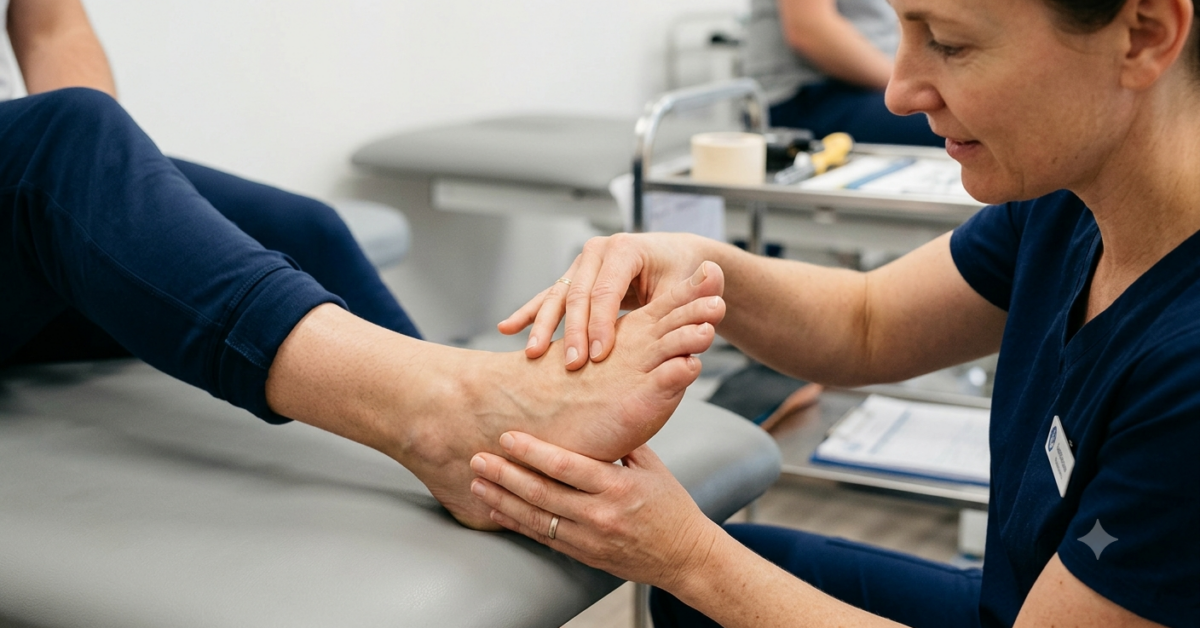

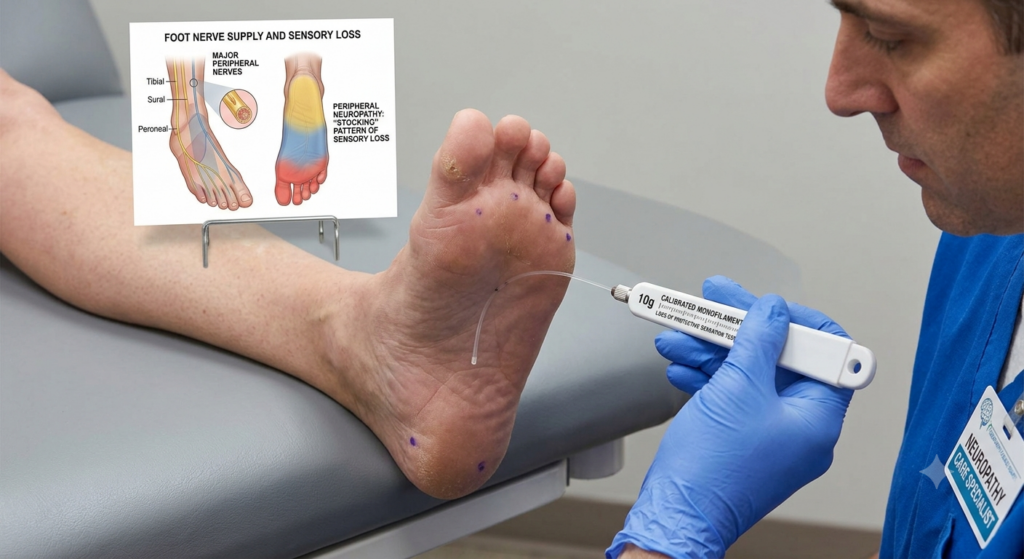
Most of us learn about our feet through pain. Step on a small stone, wear a shoe that rubs, stand too long on a hot pavement, and the body complains loudly enough that we stop and correct the problem before real damage is done. Diabetes, over time, can take that voice away. When the protective nerves of the foot are damaged, a person can walk an entire day on a blister, a foreign object, or an open wound and feel nothing at all. This single fact, the loss of protective sensation, sits at the centre of almost everything we do in diabetic foot care.
The scale of the problem is not small. Diabetes now affects hundreds of millions of adults worldwide, and its prevalence is rising fastest in low and middle income countries, which describes much of our own region. It is estimated that diabetes affects 537 million people worldwide, roughly one in ten adults, and up to one in three people with diabetes will develop a foot ulcer in their lifetime. To put that another way, the lifetime risk of a diabetes related foot ulcer is somewhere between 19 and 34 percent. These are not rare events at the far edge of the disease. They are common, and they are the leading reason people with diabetes end up in hospital and, tragically, the leading non traumatic reason they lose part of a limb. Wiley Online LibraryWiley Online Library
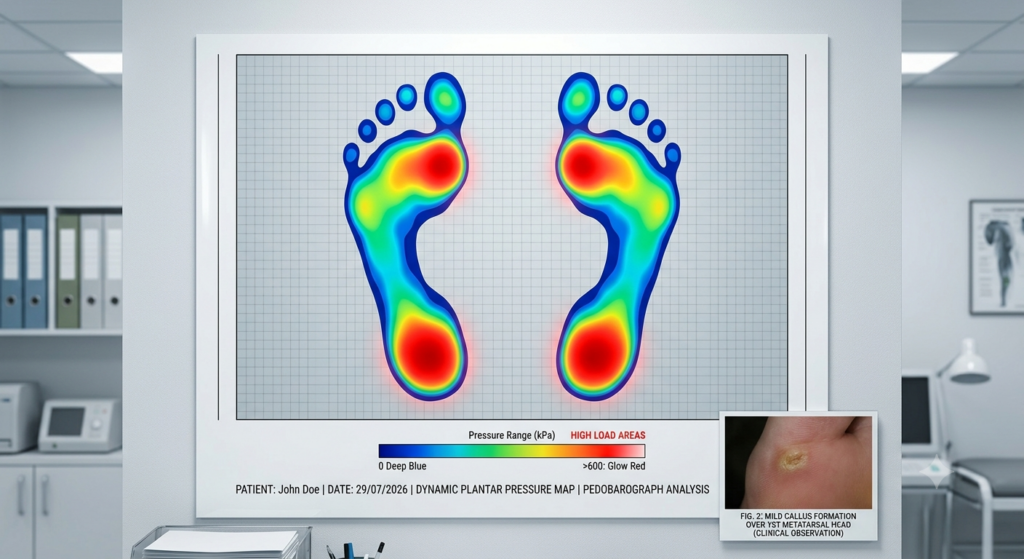
Three problems usually work together to produce a diabetic foot ulcer. The first is neuropathy, the nerve damage already described, which removes pain, alters the way the foot sweats and stays supple, and slowly changes the shape of the foot as small muscles waste and toes claw. The second is pressure. A foot that has lost sensation, and that now carries prominent bones under thin, dry skin, concentrates load in a few small areas every time the person takes a step. The body’s usual response to repeated pressure is callus, and under that hard callus the tissue is quietly being crushed until it breaks down from the inside. The third problem is circulation. Many people with diabetes also develop peripheral arterial disease, meaning the blood supply that would normally repair a small wound simply is not there in sufficient quantity. Add the higher risk of infection that comes with raised blood sugar, and you have the full picture of how a trivial injury becomes a limb threatening one.
For those of us working in orthotics and prosthetics, this is where our contribution becomes concrete. Wounds do not heal while they are being repeatedly injured. If a person keeps walking on an ulcer, no dressing, antibiotic or advanced therapy can outrun the daily mechanical damage. Relieving that pressure, what we call offloading, is not an optional extra alongside wound care. It is the foundation the rest of the treatment is built on.
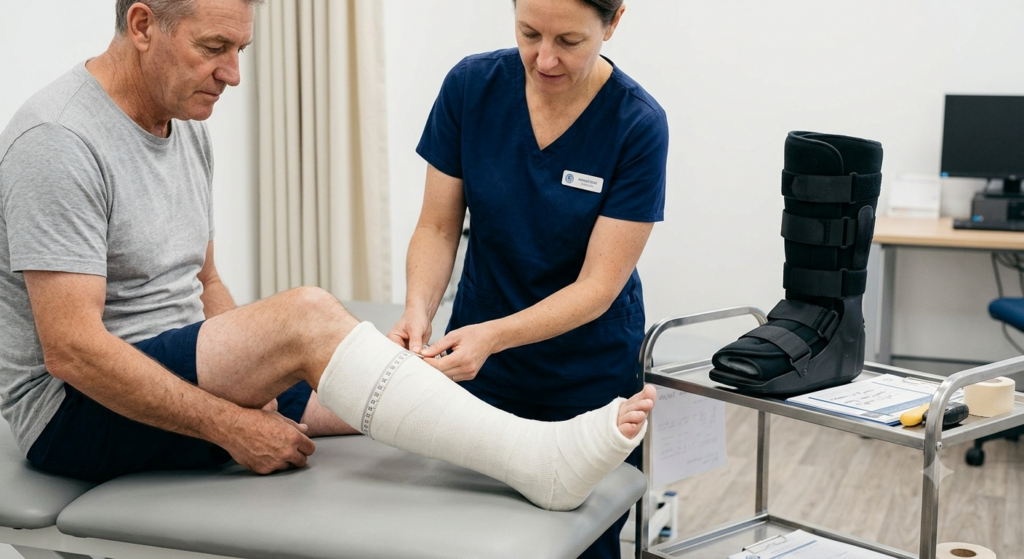
Here the evidence is clear and worth stating plainly for colleagues. For a neuropathic ulcer on the ball or middle of the foot, international guidelines recommend a non removable, knee high offloading device as the first choice of treatment, meaning either a total contact cast or a walker boot that the clinician makes irremovable. The reason it works is partly mechanical and partly human. A device that comes up to just below the knee shares the load along the whole lower leg and takes it off the wound, and because the patient cannot take it off, it is worn during every single step. A device that offloads a little less but is actually worn all the time can heal a wound better than a device that offloads more but is left by the door. That last point matters enormously in real practice, and it is why patient education and adherence are treated as part of the treatment rather than an afterthought. When a non removable device cannot be tolerated or is unsafe, for example alongside significant infection or poor circulation, we step down to a removable knee high or ankle high device, and only after that to specialised footwear with padding, always explaining to the patient why consistent wear decides the result. Iwgdfguidelines + 2
Not every foot follows the standard path. Charcot neuroarthropathy, where the bones and joints of an insensate foot fracture and collapse often without the person realising, needs its own individualised offloading and close multidisciplinary supervision, because getting it wrong can deform a foot permanently. Wounds on the heel, wounds complicated by infection, and feet with compromised blood supply all call for judgement rather than a single recipe, and for honest collaboration between the orthotist, the surgeon, the vascular team and the wound care nurse.
Prevention and remission
The hardest truth to convey, to patients and sometimes to ourselves, is what happens after a wound heals. The instinct is to celebrate and return to ordinary shoes and ordinary habits. The data argue for caution. After a diabetic foot ulcer heals, it comes back in roughly 40 percent of people within one year and around 65 percent within three to five years. For that reason many of us have stopped using the word cured. A foot that has ulcerated once is a foot in remission, and it deserves lifelong protection in the same way a patient in remission from any serious condition deserves ongoing follow up. The strongest predictors of another ulcer are the things we can identify at a glance and in the clinic: previous ulceration, foot deformity, loss of sensation, and above all peripheral arterial disease. Wiley Online Library + 2
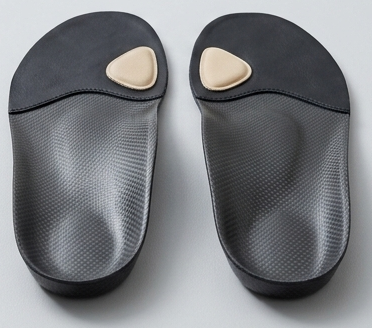
Protecting a foot in remission is unglamorous and effective. It means properly fitted therapeutic footwear with enough depth and width for the deformity, custom insoles that redistribute pressure away from the vulnerable prominences rather than simply cushioning them, and regular review so that footwear is repaired or replaced before it starts to fail. Guidelines recommend that people at moderate risk are reviewed every three to six months and those at high risk every one to three months, with professional foot care, adequate footwear and structured self care education forming the core of that follow up. For patients themselves, the daily habits are simple and genuinely protective: look at both feet every day, including the soles, and use a mirror or a family member if bending is difficult; never walk barefoot, indoors or out; check the inside of shoes with a hand before putting them on, because an insensate foot will not warn you about the pebble or the folded sock; keep the skin moisturised but dry between the toes; and treat any new redness, warmth, swelling or discharge as urgent rather than something to watch over the weekend. Wiley Online Library
I want to leave patients and colleagues with the same reassuring idea. The diabetic foot is not a story of inevitable decline. Most amputations are preceded by an ulcer, and most ulcers are preventable or treatable when pressure is relieved early, circulation is assessed honestly, and footwear is taken as seriously as medication. The foot that cannot feel pain still deserves to be listened to. Our job, and the patient’s, is to do that listening with our eyes, our hands and our knowledge, so that a foot that has served someone faithfully for decades is still carrying them for decades more.
OPPAK is Pakistan's dedicated hub for orthotics and prosthetics since 2006— connecting students, professionals, patients and employers with credible news, education pathways, jobs, and success stories.
Leave a Reply