National Conference on Prosthetics and Orthotics, Pakistan, Marks a Turning Point for Rehabilitation Care

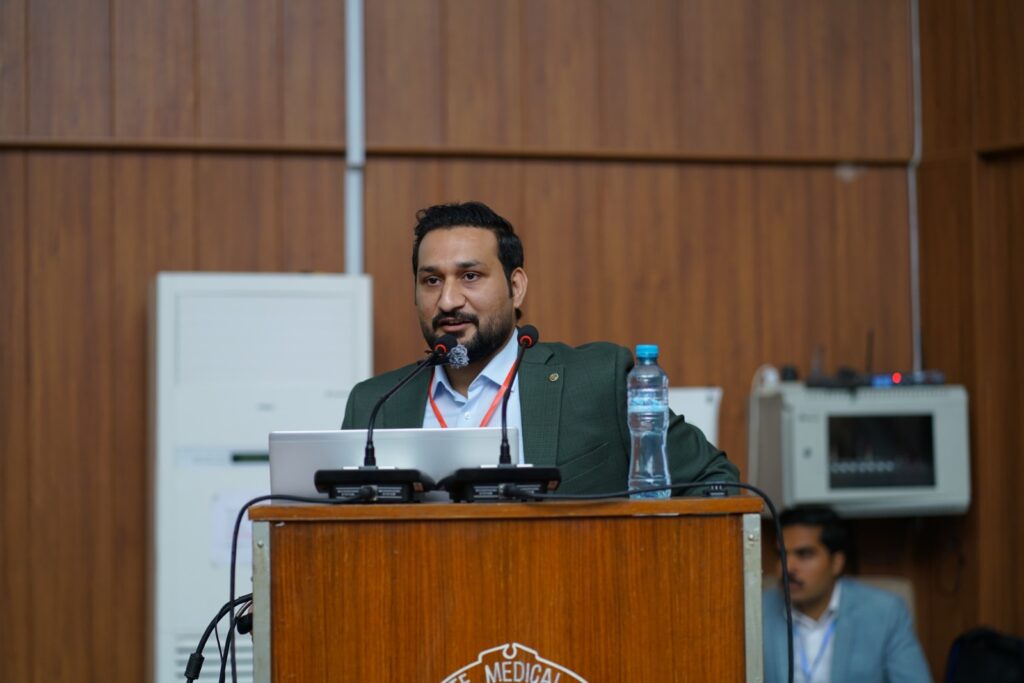
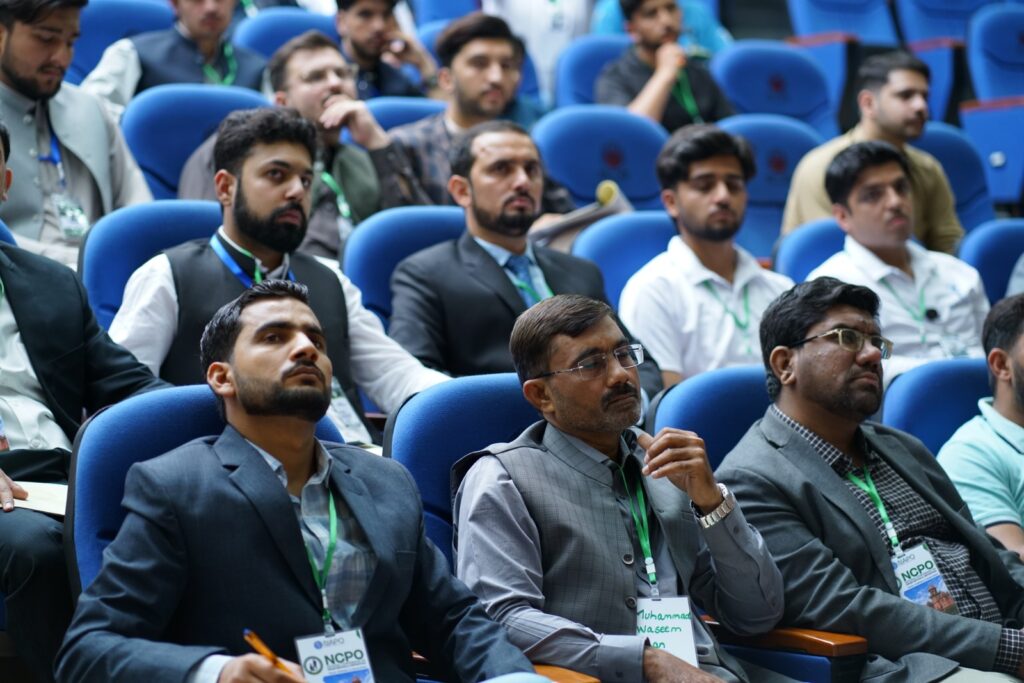
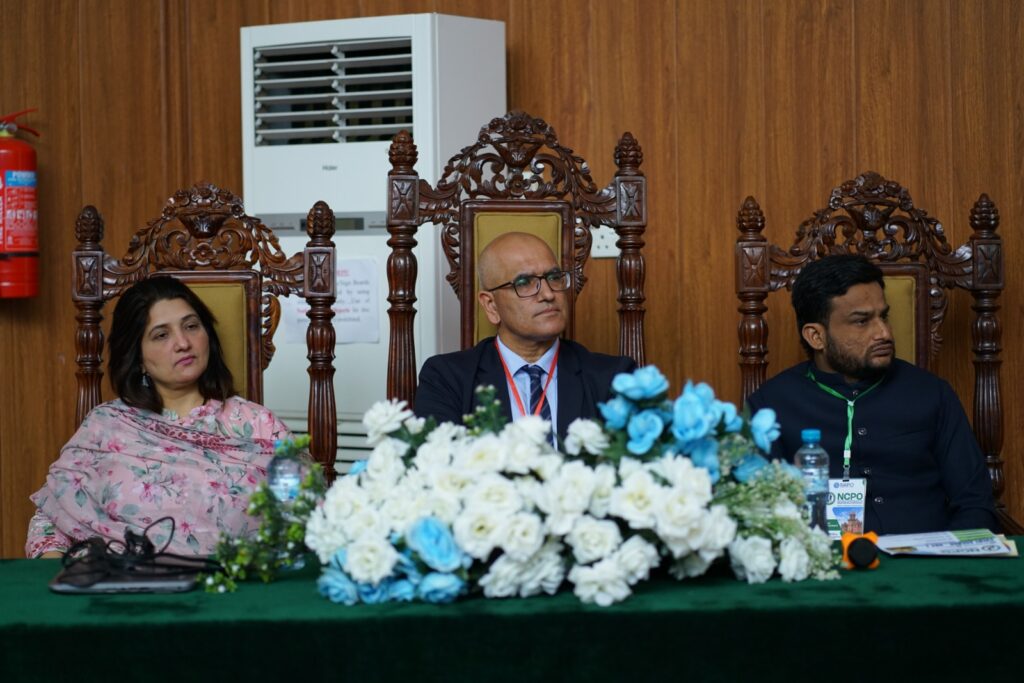
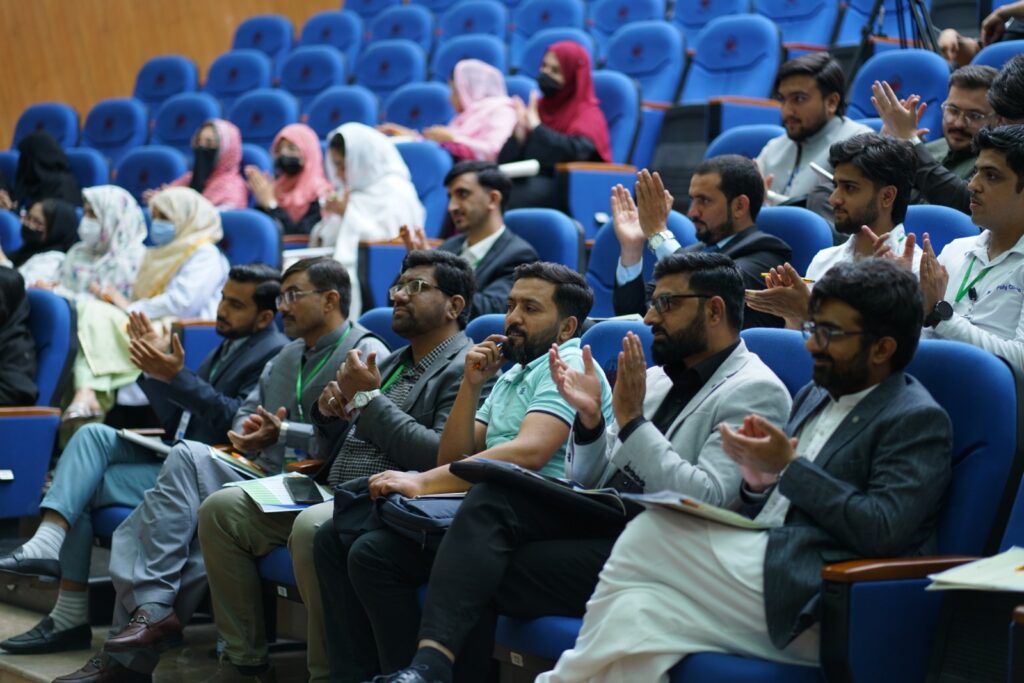
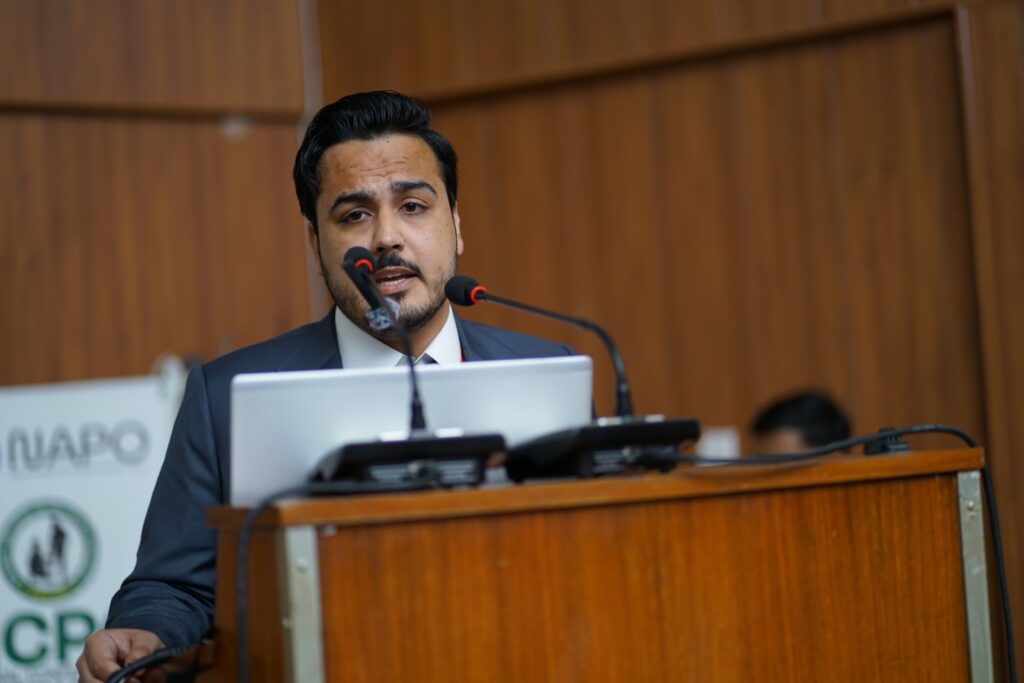
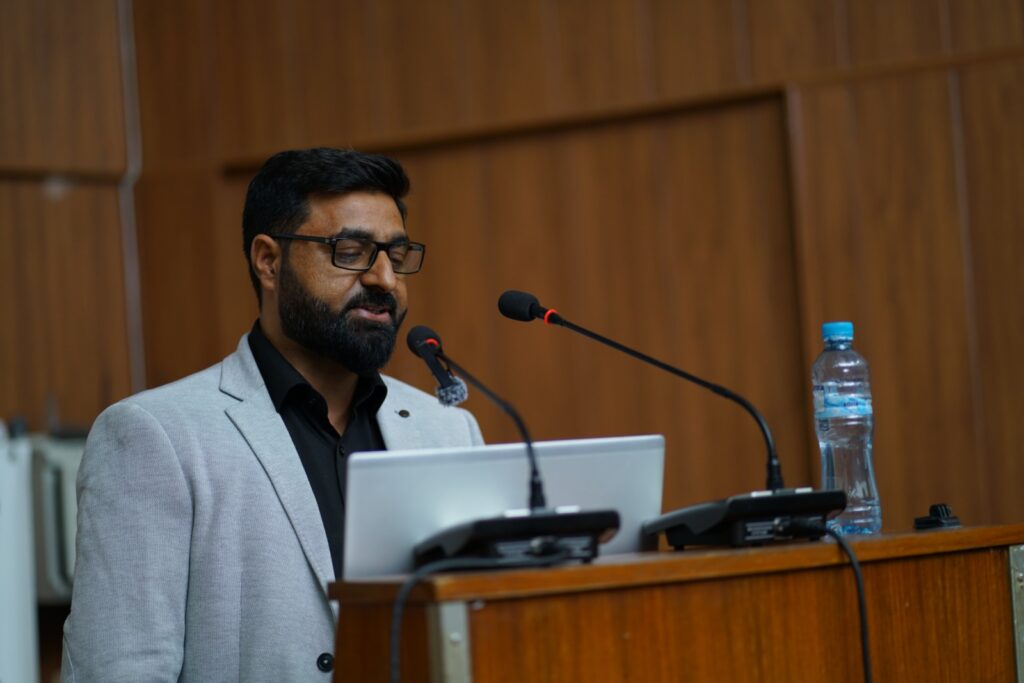
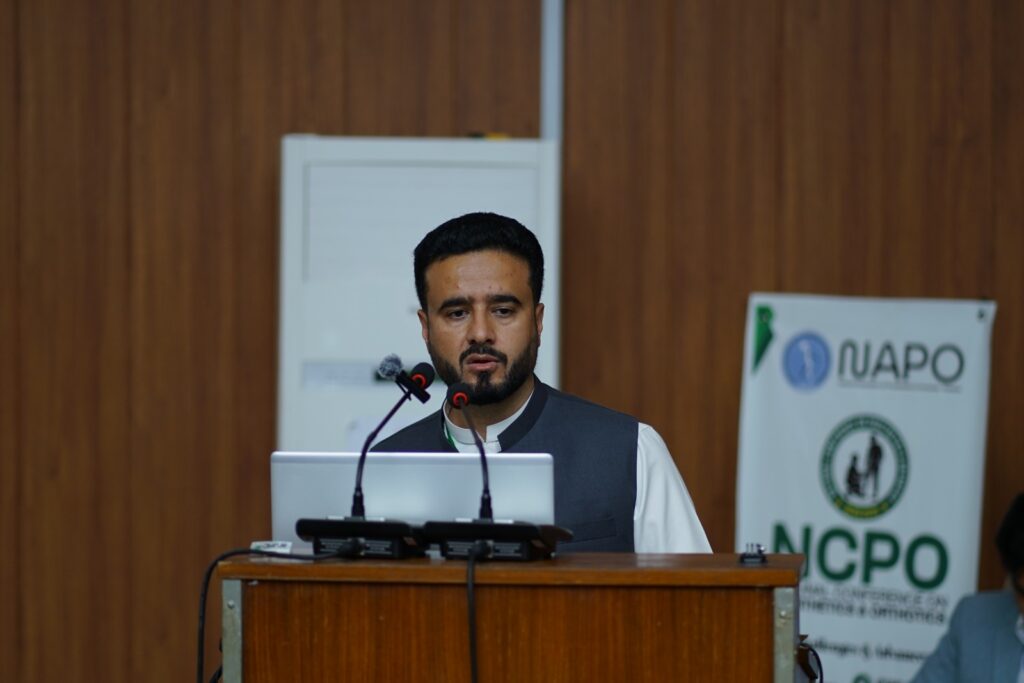
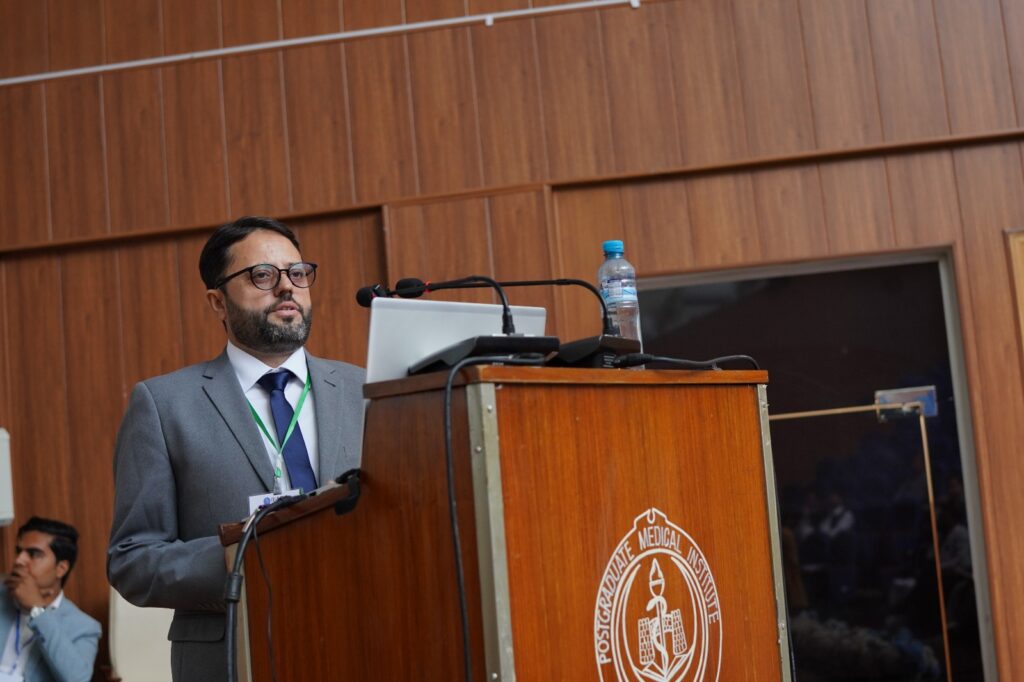
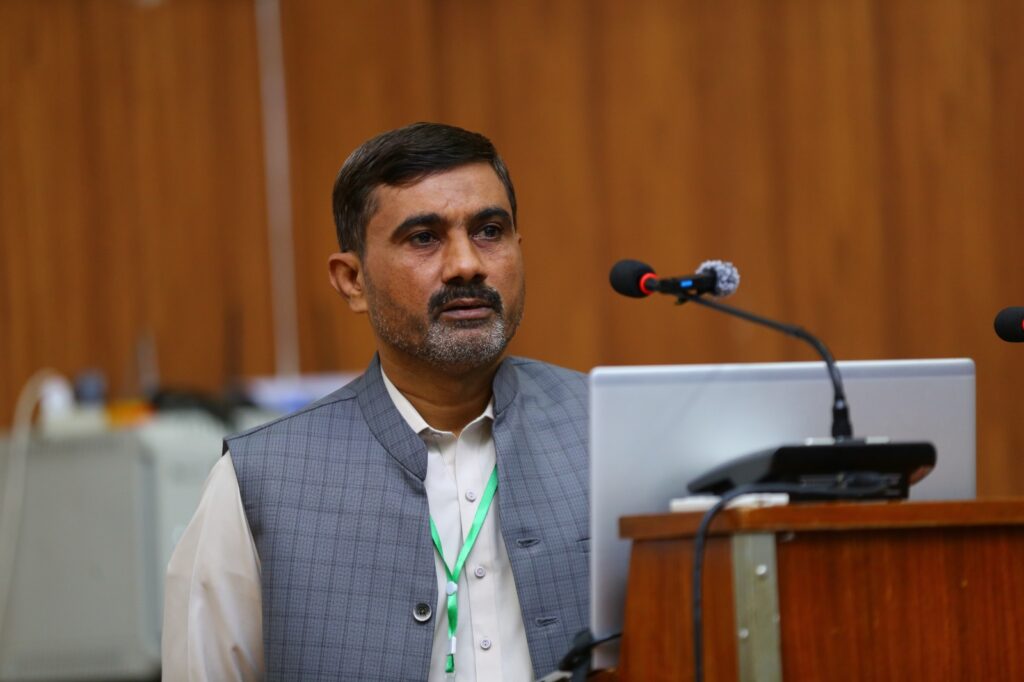
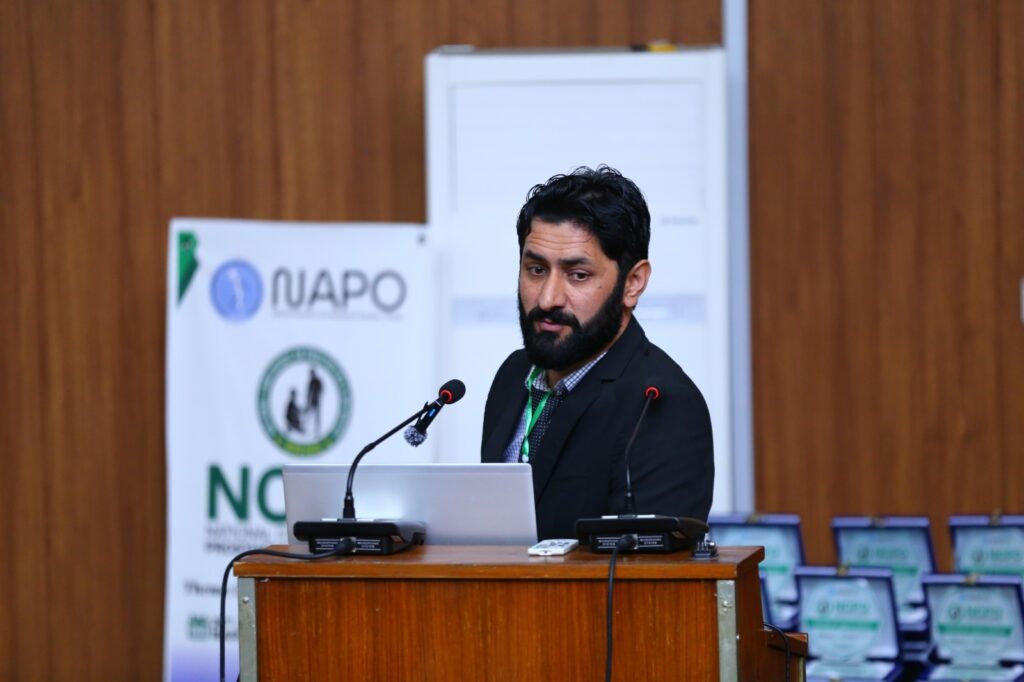
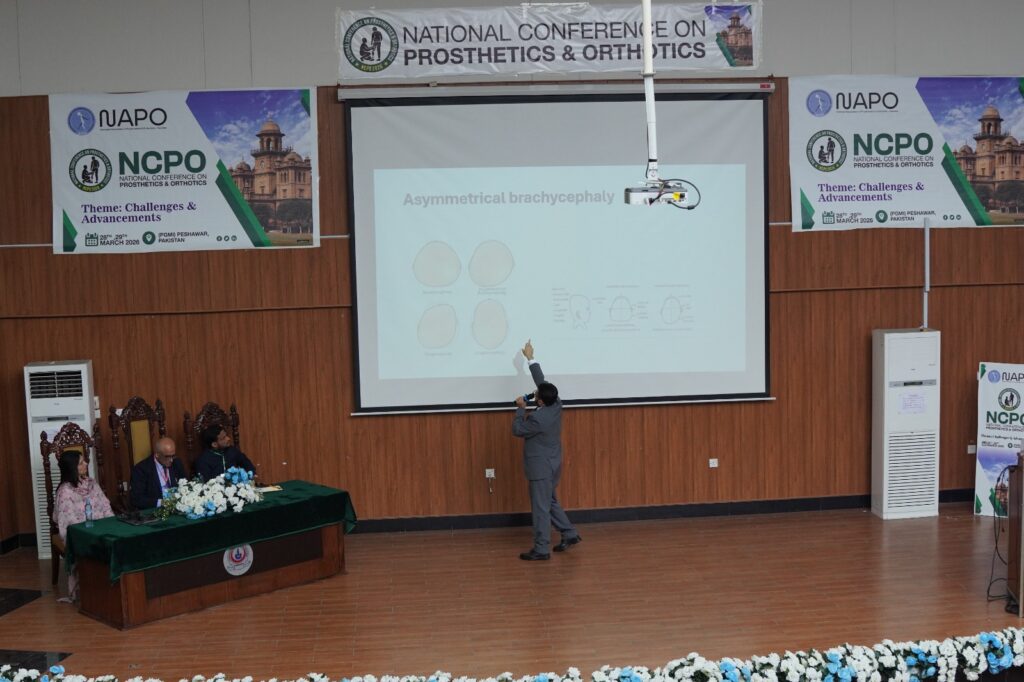
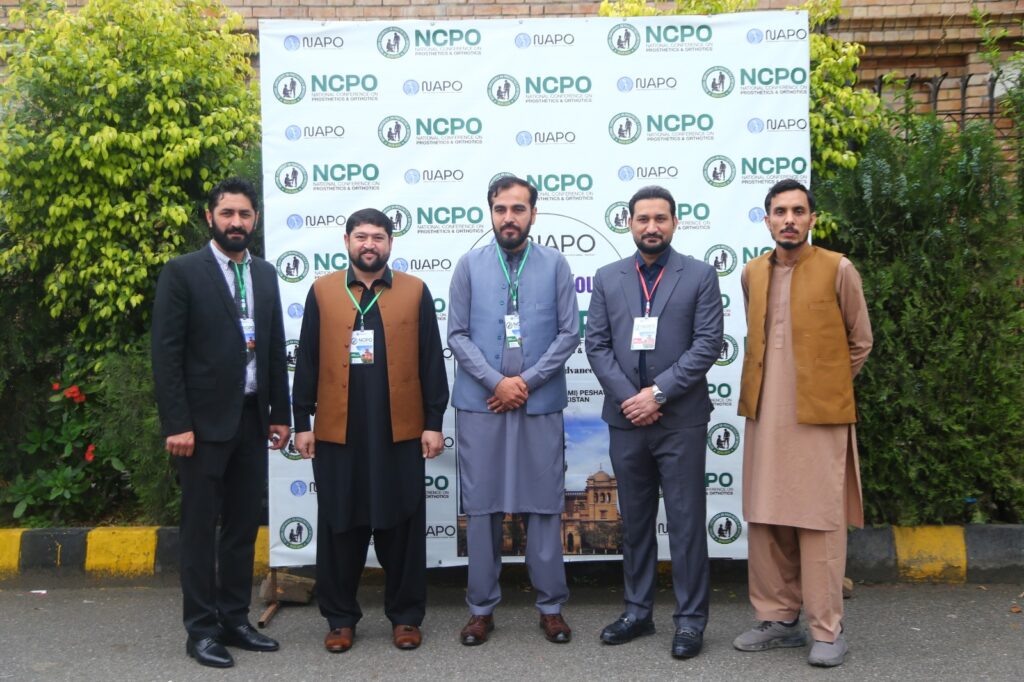
PESHAWAR 28-29 March 2026: For decades, prosthetics and orthotics in Pakistan remained a quiet, often overlooked corner of the healthcare system. But on March 28 and 29, 2026, that silence was broken. National Conference on Prosthetics and Orthotics 2026 (NCPO) organized with the support of National Association of Prosthetics and Orthotics (NAPO) Pakistan at Post Graduate Medical Institute (PGMI) Peshawar was a landmark. A two day gathering that brought together clinicians, researchers, and rehabilitation experts from across the country and abroad.
What made this event historic was simple: it was a national level conference in Pakistan dedicated exclusively to prosthetics and orthotics. For professionals who have long worked without a unified voice, the conference was more than academic exercise. It was a declaration that rehabilitation in Pakistan cannot be considered complete without this field.
To understand the significance, one must first understand what prosthetics and orthotics mean: Prosthetics refers to designing and providing artificial limbs, arms and legs, for individuals who have lost a limb due to injury, disease, or birth conditions. Orthotics, on the other hand, focuses on braces and supportive devices for people who still have their limbs but cannot move or function properly because of deformity, weakness, or neurological conditions. Together, these two domains restore not just movement, but independence and dignity.
Across Pakistan, thousands of people with disabilities struggle to access these basic assistive devices. The conference highlighted how fragmented services, financial barriers, and inappropriate referrals to untrained persons have left many without proper care. One powerful message repeated throughout the event was that rehabilitation is incomplete without prosthetics and orthotics, and that this field must be seen as a fundamental part of healthcare, not an optional service.
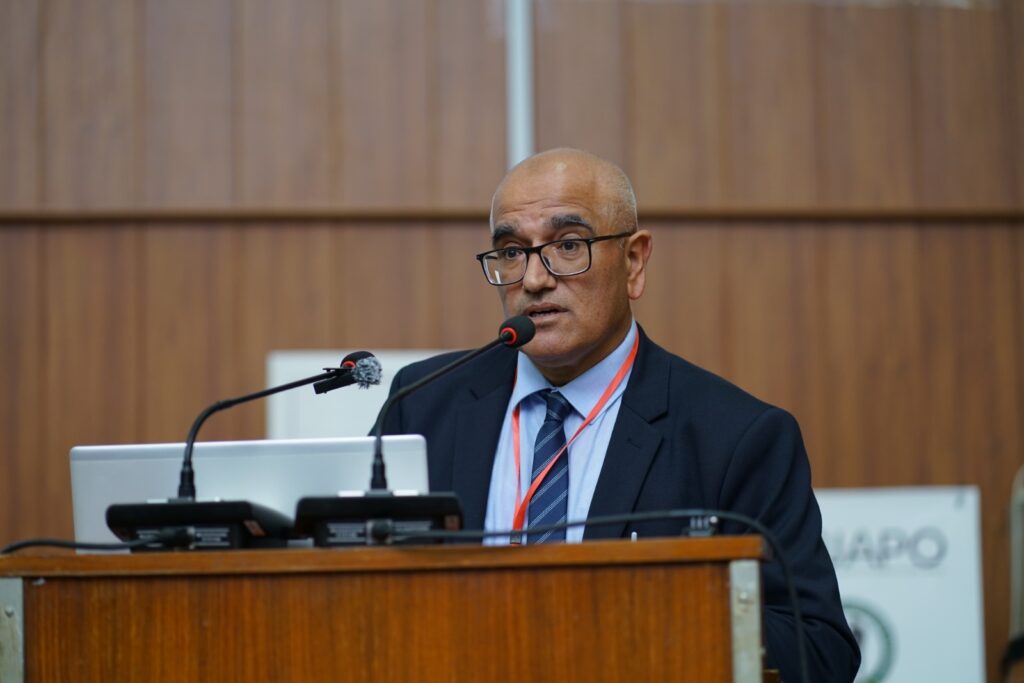
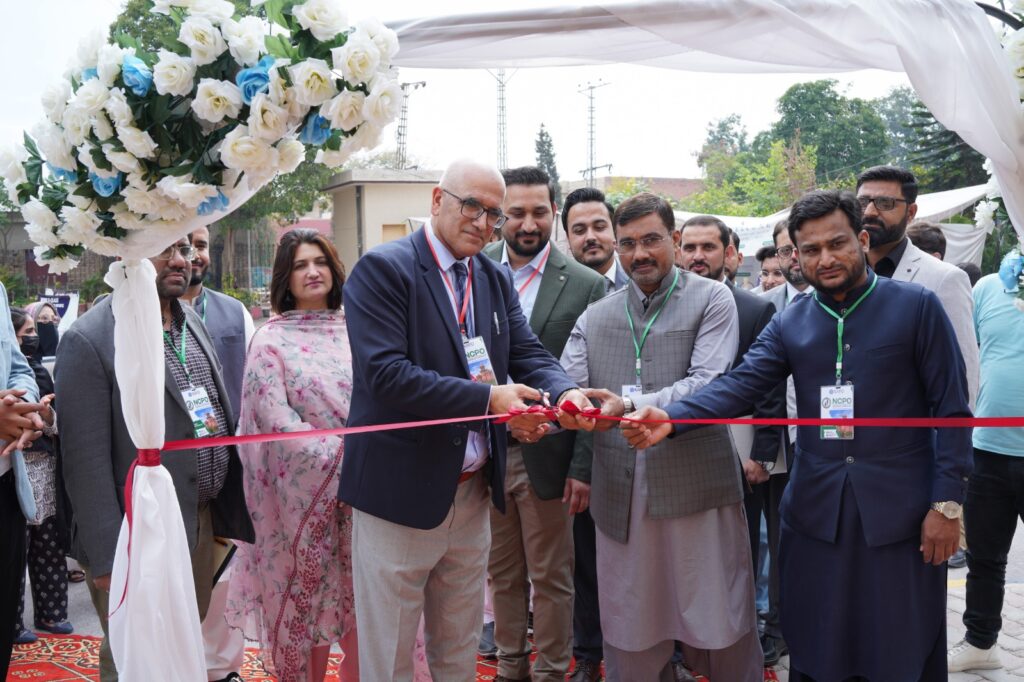
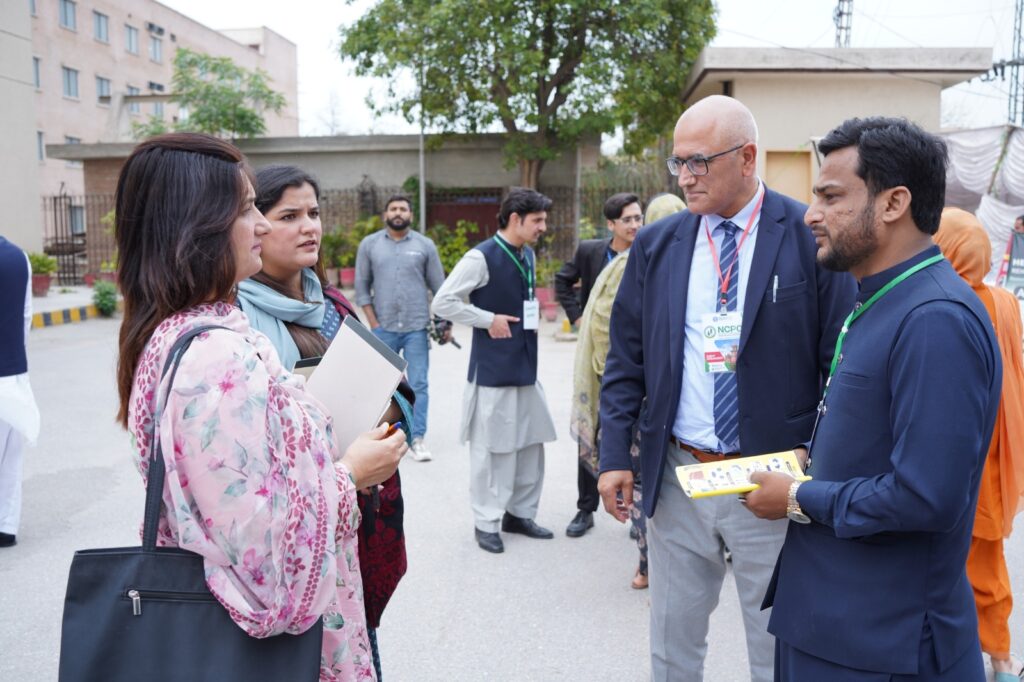
The first day of NCPO 2026 opened with a formal ceremony including recitation and inauguration, followed by a chairman’s address setting the tone for deep technical discussions.
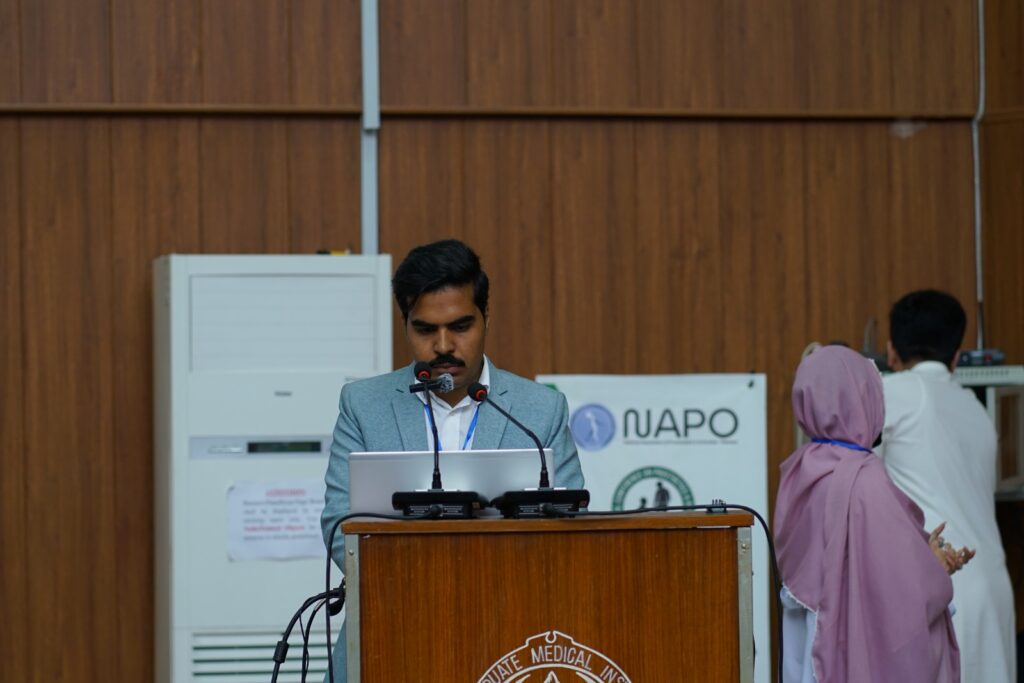
Mr. Nasir Ahmad started the scientific sessions with a practical talk on managing foot deformities, a common but often neglected condition in clinical practice.
Mr. Muhammad Shafiq addressed a rarely discussed but important topic: cranial deformities in infants and their orthotic management, using helmets and other devices to reshape a baby’s skull.
Mr. Syed Asjad spoke on the integration of prosthetics and orthotics into the healthcare system, a theme that ran through the entire conference Then Mr. Sikandar Zaman presented an extensive and detailed input on holistic approaches to cranial anomalies. The use of latest technologies in the treatments were discussed.
Mr. Mansoor Ali discussing prosthetic advancements and osseointegration, a surgical procedure where an implant is placed directly into the bone to attach a prosthetic limb, eliminating the need for a socket. This topic drew particular interest because it represents the cutting edge of the field.
After a lunch and tea break, the sessions resumed with Mr. Naveed Khan introduced the audience to CAD CAM technology and centralized fabrication systems, showing how digital design and automated manufacturing are beginning to enter Pakistan’s prosthetic workshops.
Ms. Sidra Manzoor Cheema then spoke about advanced spinal bracing, covering techniques, challenges, and clinical insights for patients with scoliosis and other spinal conditions.
Finally, Mr. Shad Mohammad Khan spoke on the role of orthotics in paediatric rehabilitation, emphasizing how early intervention with braces and supports can change the life of a child with mobility challenges.
The second day began with recitation and chairman remarks, followed by Mr. Mohammad Waseem Khan giving an overview of the prosthetics and orthotics department at SIPMR, one of Pakistan’s leading rehabilitation institutes.
Mr. Irtaza Kazmi then presented on integrating 3D printing into clinical O and P workflows, showing how affordable digital fabrication can revolutionize local production of custom devices.
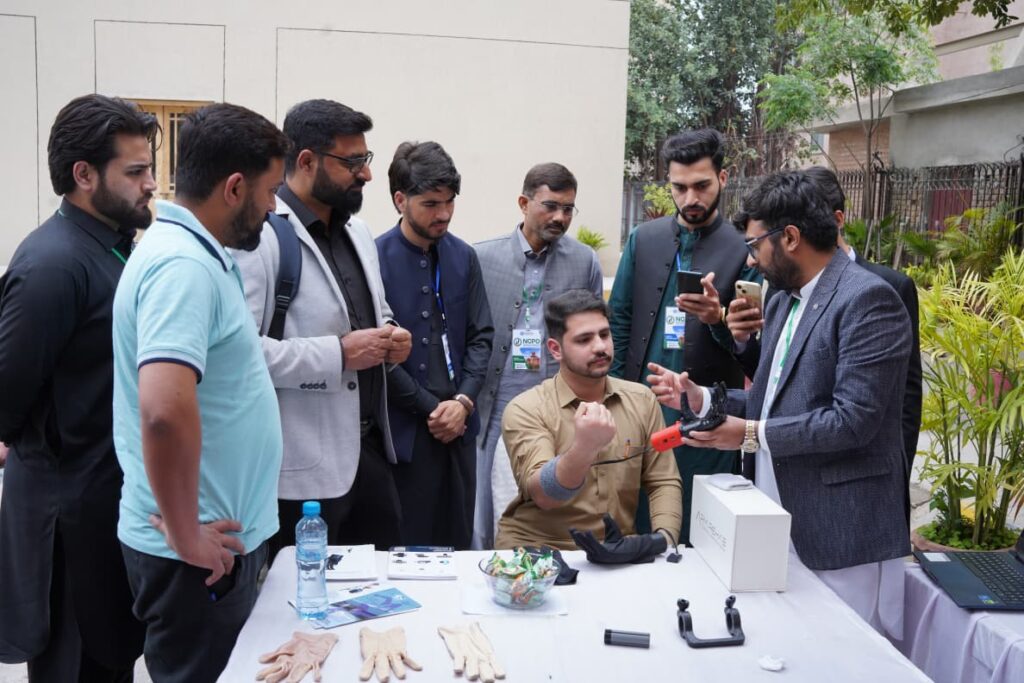
Engineer Hamza delivered a highly anticipated talk on a myoelectric prosthesis developed in Pakistan, an electrically powered artificial hand controlled by muscle signals, and discussed the unique challenges of upper limb rehabilitation in the country.
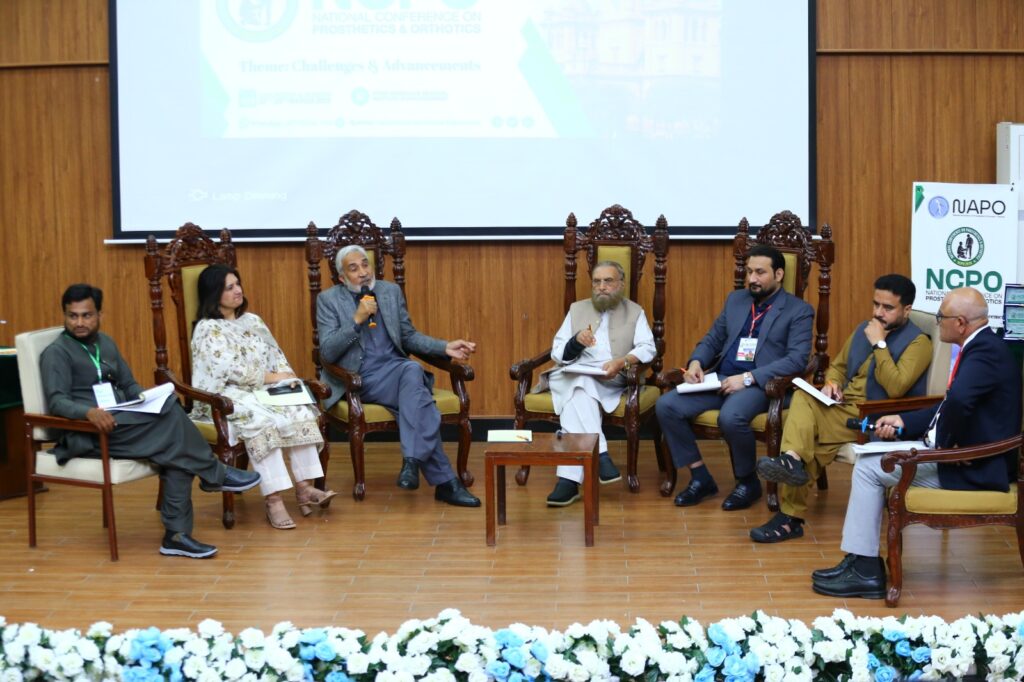
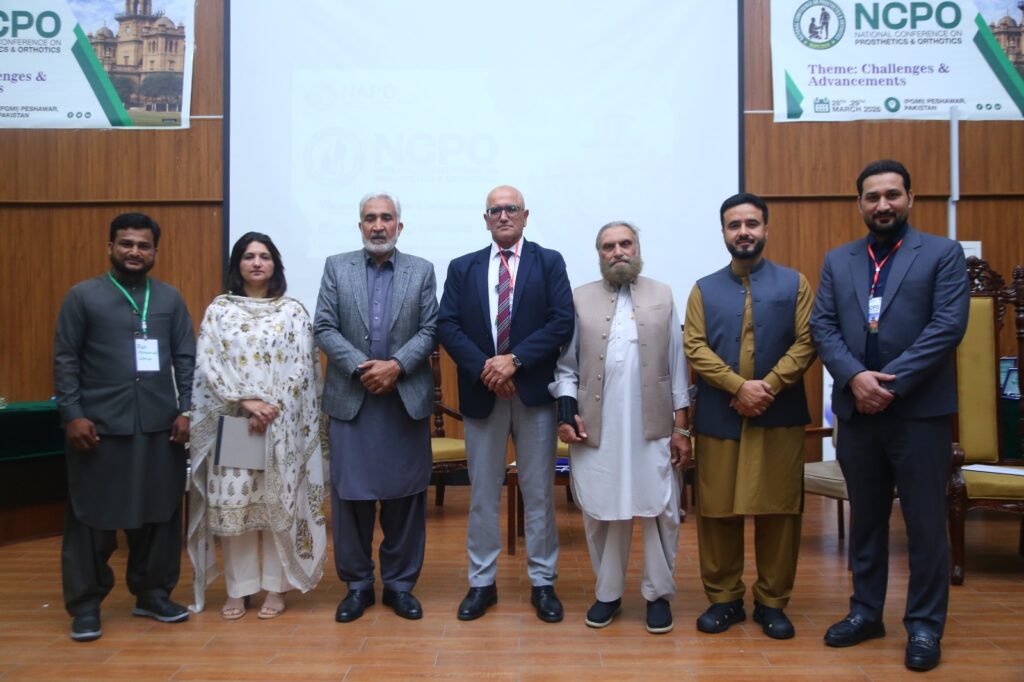
A major highlight of day two was a panel discussion on challenges and advancements in prosthetics and orthotics in Pakistan. The panel included distinguished guest speakers: Ms. Shabana Raza, Mr. Mr. Syed M. Ilyas, Mr. Mehboob Ur Rehman, Mr. Shad M. Khan, Mr. Naveed, Mr. Nasir, and Mr. Rao Usman . They openly discussed policy gaps, lack of national recognition, and the urgent need to stop unqualified people from providing prosthetic and orthotic services. The session was frank, emotional at times, and filled with practical solutions.
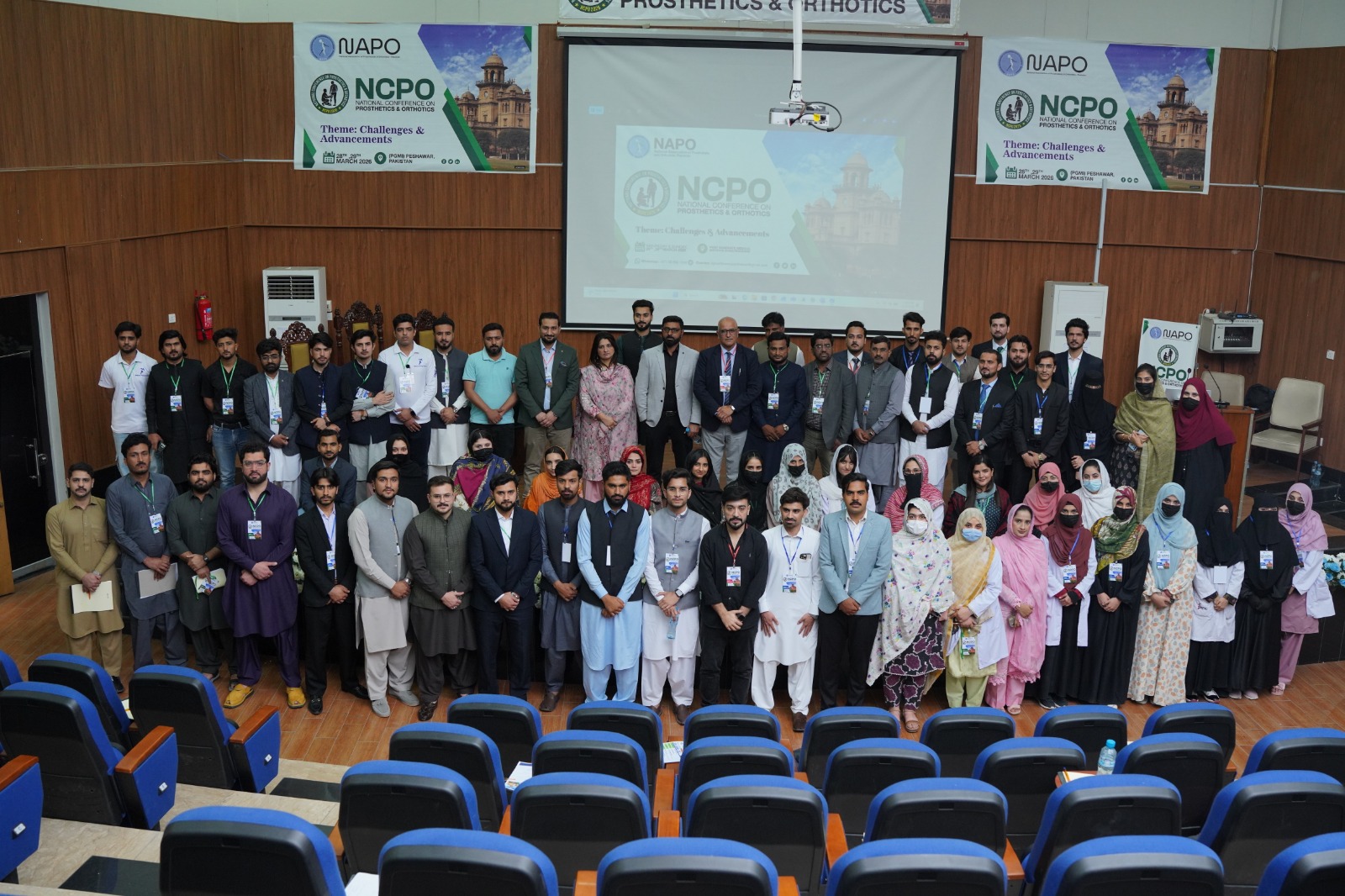
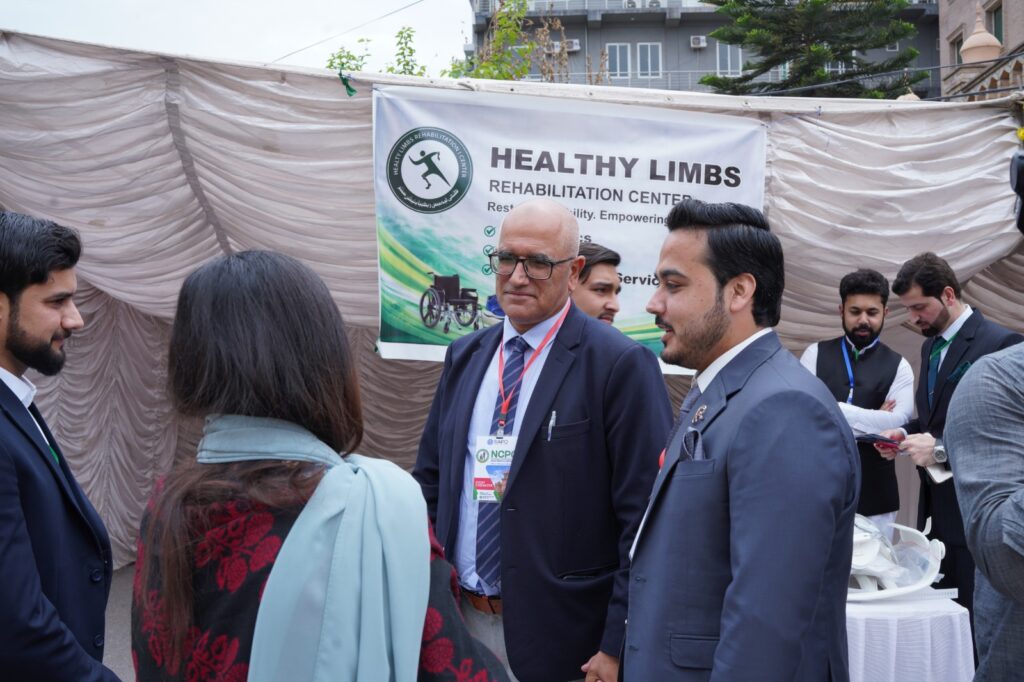
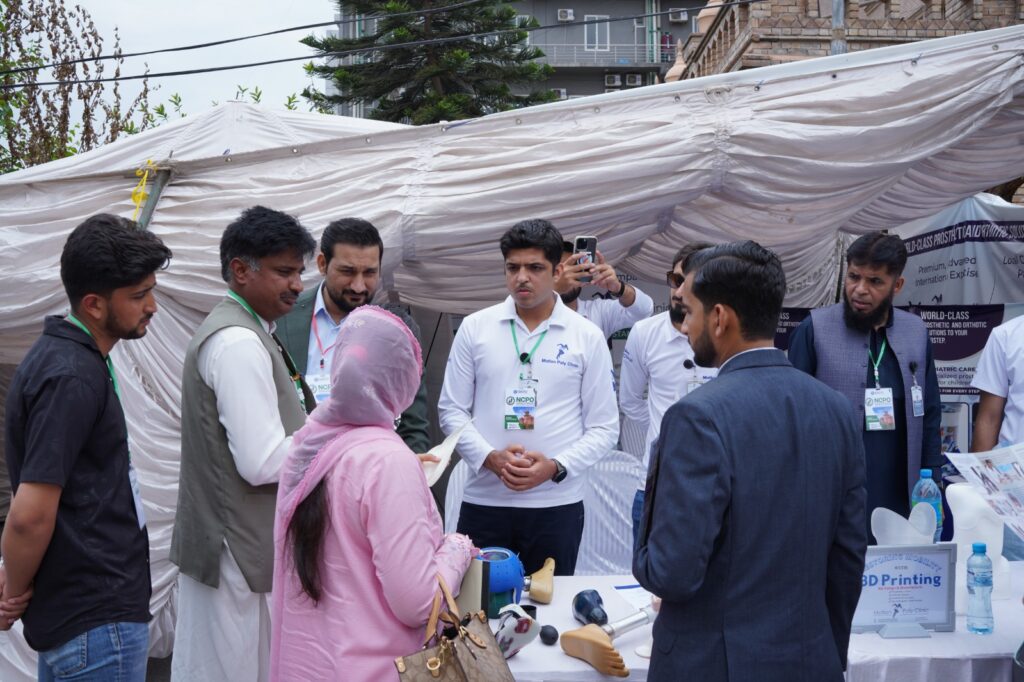
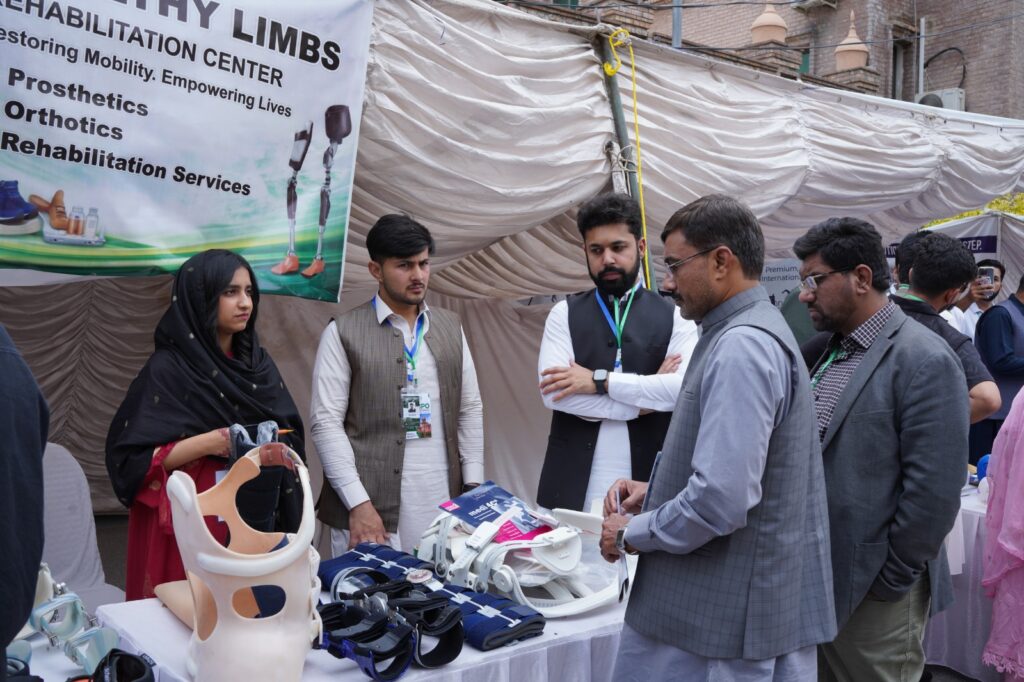
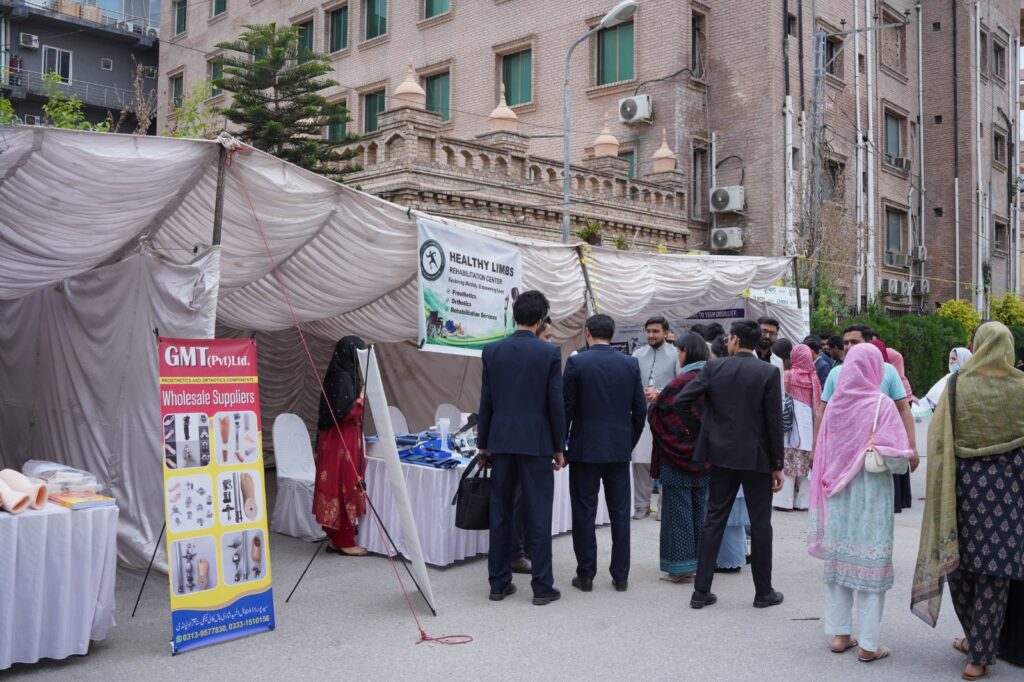
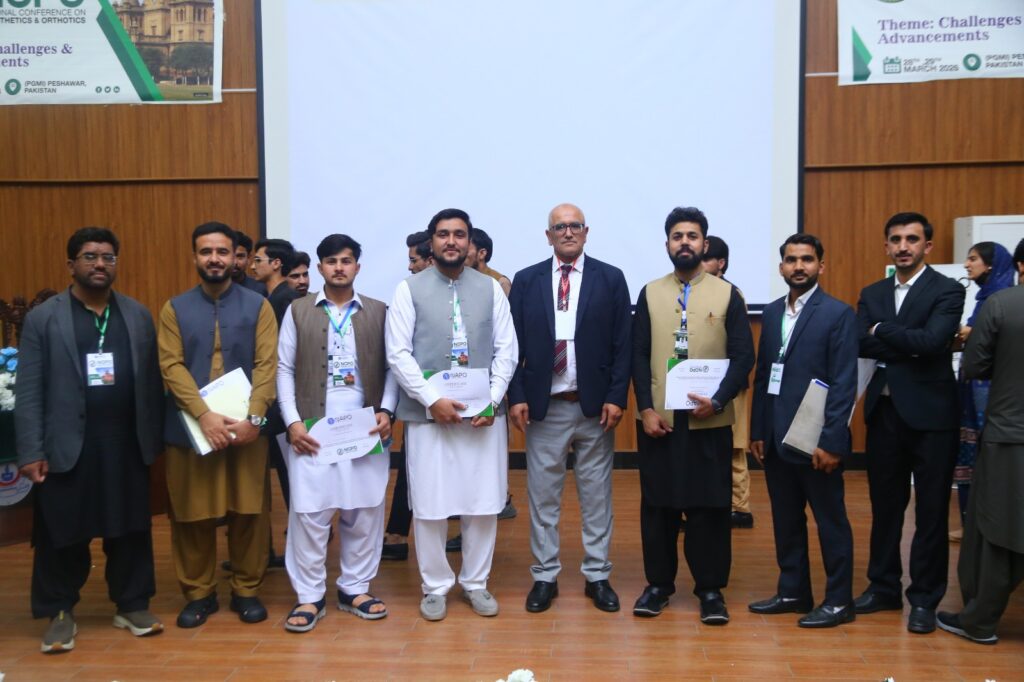
The closing ceremony included distribution of shields and certificates, followed by a group photograph of all participants. Participants also visited the stalls by Companies and clinics from all over the country.
What made NCPO 2026 truly powerful was not just the technical knowledge shared, but the unified call to policymakers that emerged. The message was clear: meaningful policy recognition, institutional support, and strategic investment are necessary to make prosthetic and orthotic services an integral and accessible part of Pakistan’s healthcare system. Without access to proper rehabilitation, persons with disabilities face significant barriers to education, employment, and social participation. The conference emphasized a simple truth that persons with disabilities are equal citizens, and their access to rehabilitation services must be recognized as a fundamental right, not a privilege.
The strong national turnout of prosthetists and orthotists at NCPO 2026 reflected a growing sense of unity and momentum. What was once a largely overlooked discipline is now beginning to assert its identity, voice, and importance within the broader healthcare system. As the conference concluded, it set a clear direction forward toward formal recognition, effective integration, and a more inclusive healthcare system where no individual is denied the right to mobility, independence, and dignity.
OPPAK is Pakistan's dedicated hub for orthotics and prosthetics since 2006— connecting students, professionals, patients and employers with credible news, education pathways, jobs, and success stories.
Related in Featured
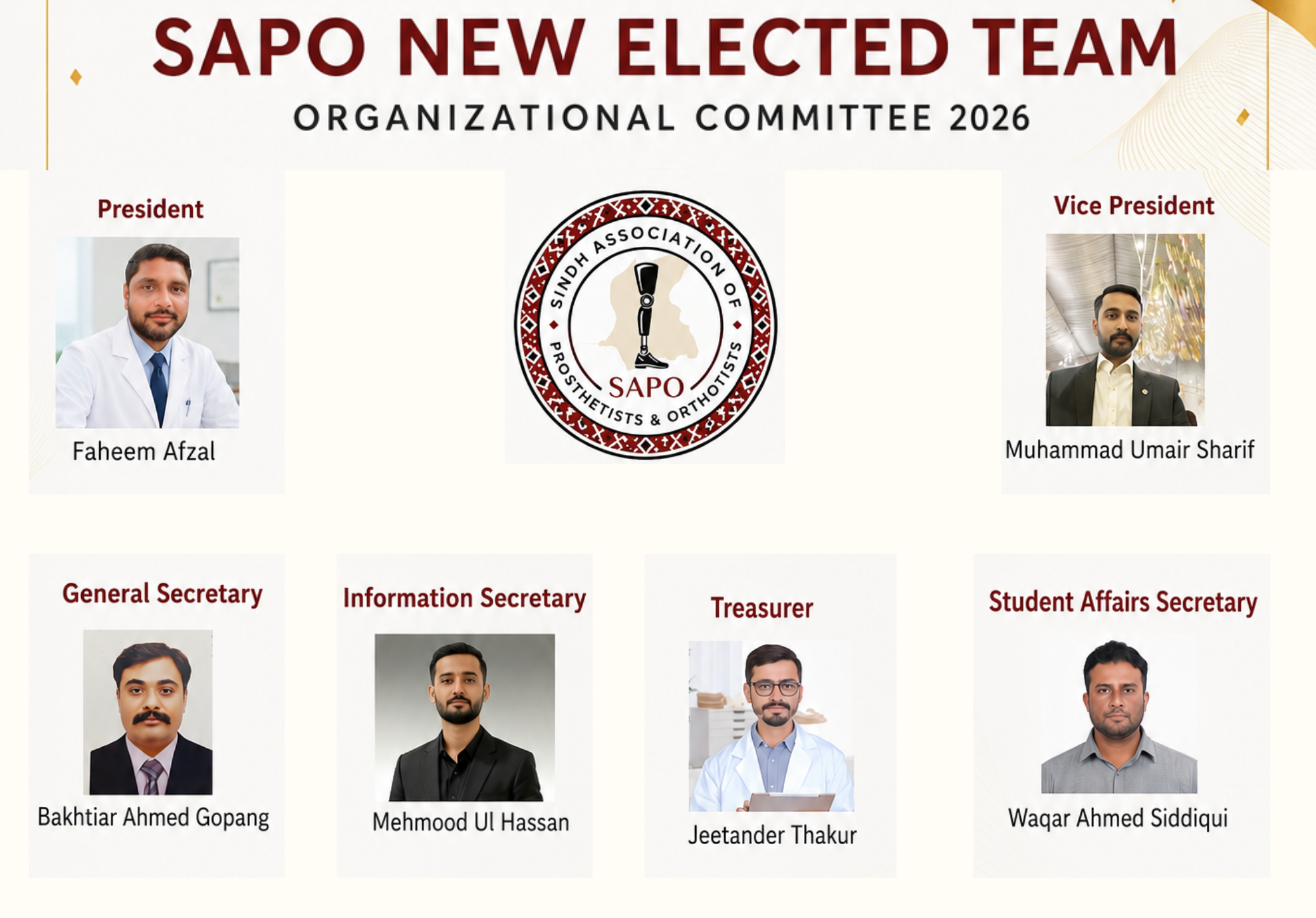
SAPO Announces Newly Elected Organizational Committee
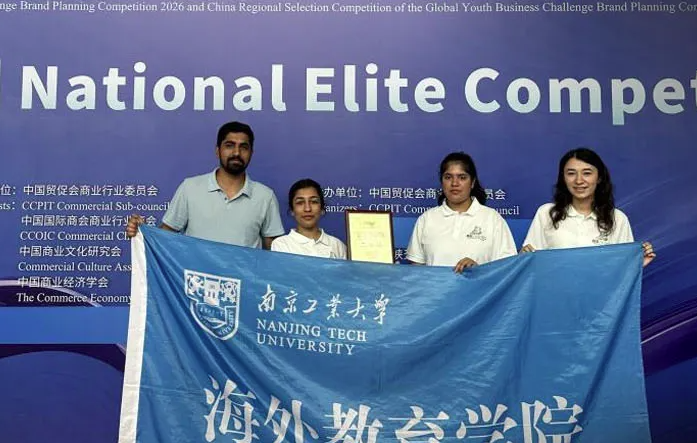
Pakistani, Tajik Students Win Second Prize for 3D-Printed Foot Insoles and Back Braces in ‘Belt & Road’ Business Challenge
Leave a Reply