
The Rise of Bionic Hands in Pakistan — Innovation or Imbalance?

Disclaimer: This article is intended for awareness and constructive discussion within the orthotics and prosthetics community. It does not aim to criticize any individual, organization, or ongoing innovation efforts. The purpose is to highlight sector-wide trends and encourage alignment with patient needs.
Walk into any engineering university in Pakistan today, scroll through LinkedIn, or explore startup showcases—and one thing becomes clear:
bionic hands are everywhere.
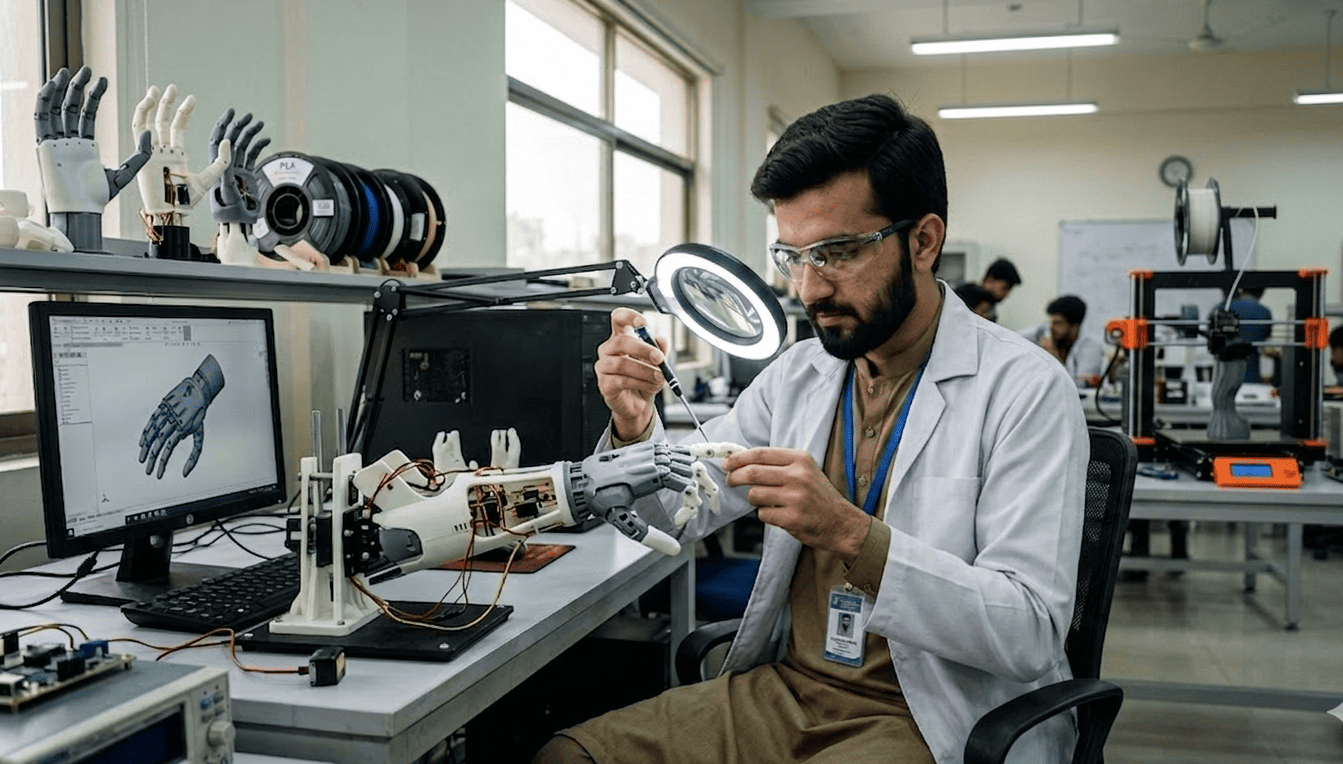
From final-year projects to tech competitions, robotic prosthetic hands have quietly become the face of innovation. They look impressive, futuristic, and meaningful. And at first glance, this trend feels like a positive shift.
But beneath this excitement lies a deeper, more uncomfortable question:
Are we solving the problems that actually exist?
Why Everyone is Drawn to Bionic Hands
There’s no denying it—the human hand is one of the most complex structures in the body. Replicating its movement is not just engineering… it’s a challenge that sits at the intersection of science, creativity, and ambition.
For a developer, building a bionic hand means working with:
- muscle signal processing (EMG)
- electronics and embedded systems
- mechanical design
- software and sometimes even AI
It’s the kind of project that feels complete—a showcase of everything an engineer can do. Naturally, it becomes a “dream project,” something that represents the peak of technical capability.
But technology alone isn’t the reason behind this trend.
Bionic hands tell stories—and powerful ones.
A short video of someone picking up a cup, writing their name, or holding a loved one’s hand using a robotic limb… it resonates instantly. It spreads. It inspires.
These moments:
- capture media attention
- motivate students
- create emotional impact
And because of that, bionic hands get far more visibility than other prosthetic solutions that may actually be more important—but far less “camera-friendly.”
Startups, Innovation, and the “Cool Factor”
In today’s innovation ecosystem, perception matters.
Bionic prosthetics are often linked with:
- cutting-edge technology
- startup funding opportunities
- global recognition
In Pakistan, the rise of low-cost prototypes has further fueled this momentum. Suddenly, building a bionic hand isn’t just a project—it’s a potential startup idea, a pitch deck, a headline.
And naturally, more people start moving in that direction.
Another reason behind this surge is simple: accessibility.Technology made it very Easy
Today, almost anyone with basic resources can start prototyping a robotic hand using:
- 3D printing
- Arduino and microcontrollers
- open-source designs
Compare this to real clinical prosthetics—especially lower limb work—and the difference is stark.
Developing a proper prosthetic leg or socket isn’t just technical. It requires:
- hands-on patient interaction
- deep understanding of biomechanics
- clinical expertise and long-term follow-up
It’s harder. Slower. Less visible.
So naturally, many engineers gravitate toward what is easier to build—and easier to showcase.
The Ground Reality: A Different Story
Now step outside the lab, into hospitals and rehabilitation centers across Pakistan.
The reality looks very different.
Most amputations in the country are:
- lower limb cases
- caused by diabetes, trauma, or road accidents
And what these patients need is not a robotic hand.
They need:
- affordable prosthetic legs
- comfortable, well-fitted sockets
- proper rehabilitation and gait training
Even globally, advanced prosthetic hands often struggle with:
- high cost
- limited practical use
- high abandonment rates
This reveals a clear gap—between what is being built and what is actually needed.
The Missing Link: Clinical Exposure
One of the biggest reasons for this disconnect is simple:
engineers and patients rarely meet.
Many developers working on prosthetics:
- have never interacted with amputees
- have not seen real-life challenges like socket pain or skin breakdown
- are unaware of daily mobility struggles
So innovation becomes driven by curiosity, not by lived experience.
And that changes everything.
The Attraction of “The Future”
There’s also a psychological layer to this.
Bionic hands feel like the future.
They remind us of:
- advanced robotics
- human augmentation
- science fiction becoming reality
And that makes them exciting.
But in that excitement, quieter problems—like a poorly fitted prosthetic socket—get ignored, even though they affect far more people.
None of this means bionic hands are unimportant. They are valuable, and progress in this area should absolutely continue.
But there’s a need for balance.
Pakistan’s prosthetics sector urgently requires:
- stronger focus on lower limb prosthetics
- innovation in socket design and comfort
- expansion of rehabilitation services
- real collaboration between engineers and clinicians
Because true progress doesn’t come from what looks impressive—
it comes from what actually improves lives.
The growing interest in bionic hands reflects something positive:
talent, creativity, and ambition are alive and growing in Pakistan.
But impact requires direction.
The future of prosthetics in the country will not be shaped by robotics alone—it will be shaped by how well we understand and respond to the real needs of patients.
OPPAK Insight
True innovation in prosthetics is not about how advanced a device looks—
it is about how effectively it restores comfort, function, and dignity to the person using it.
ACKNOWLEDGEMENT:
We acknowledge and appreciate the efforts of innovators, engineers, and manufacturers who are advancing prosthetic technology in Pakistan.Their commitment to research, design, and development is playing a vital role in improving rehabilitation outcomes.These efforts are contributing to greater awareness, accessibility, and technological growth within the sector.
OPPAK recognizes their contributions as an important foundation for the future of orthotics and prosthetics in the country.
OPPAK is Pakistan's dedicated hub for orthotics and prosthetics since 2006— connecting students, professionals, patients and employers with credible news, education pathways, jobs, and success stories.
Related in Featured
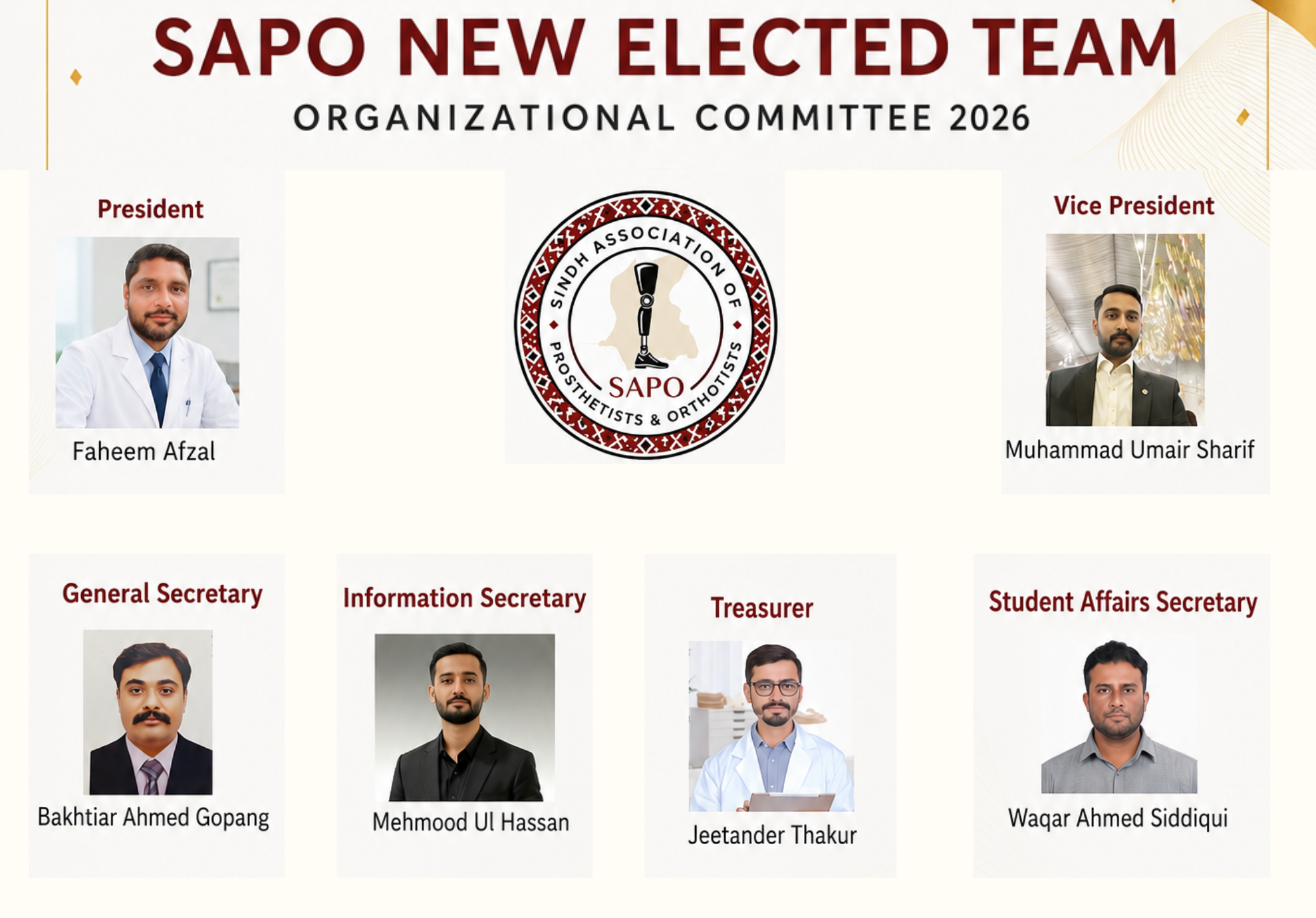
SAPO Announces Newly Elected Organizational Committee
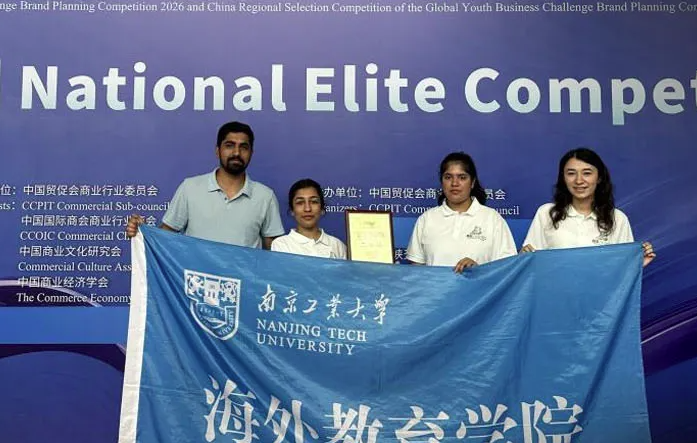
Pakistani, Tajik Students Win Second Prize for 3D-Printed Foot Insoles and Back Braces in ‘Belt & Road’ Business Challenge
Leave a Reply