Why Orthotics and Prosthetics Deserves Its Own Voice in Pakistan’s Allied Health Framework
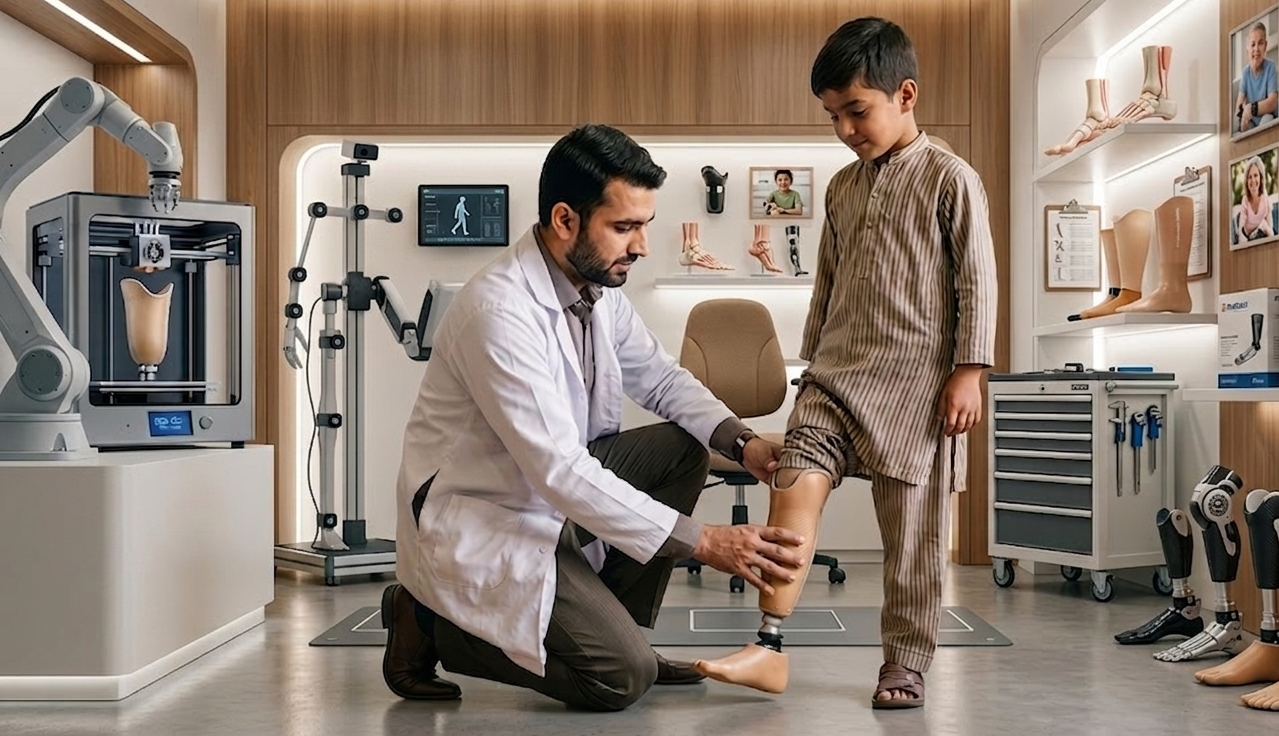

Pakistan’s healthcare system has taken a significant step forward with the Allied Health Professionals Council (AHPC), established under the Allied Health Professionals Council Act 2022. By mandating registration for thousands of technicians, therapists, and specialists, the council aims to raise standards, protect patients, and bring order to a previously fragmented sector. Registration becomes compulsory by 30 June 2026, a deadline that rightly signals the government’s commitment to quality. Yet one group of professionals feels caught in the wrong category: orthotists and prosthetists.
The issue starts with classification. On AHPC’s disciplinary list, available on its official website “Physiotherapy and Rehabilitation” appears as Discipline No. 13, and orthotics and prosthetics sits inside it rather than standing alone like occupational therapy, speech therapy, or nutrition and dietetics. This placement surprises many who work daily with custom devices that restore mobility after amputation, trauma, or congenital conditions. Internationally, orthotics and prosthetics enjoys full recognition as a distinct profession. The American Board for Certification in Orthotics, Prosthetics and Pedorthics (ABC)and the International Society for Prosthetics and Orthotics (ISPO) define clear, comprehensive scopes of practice that include patient assessment, device design, fitting, gait training, and long-term follow-up. These organisations treat orthotists and prosthetists as autonomous experts who collaborate with, but do not fall under, physiotherapy. Countries such as the United States, Australia, and many in Europe maintain separate licensing boards and education pathways precisely because the technical, biomechanical, and psychosocial demands differ markedly from physical therapy. Placing Pakistan’s orthotics and prosthetics professionals under physiotherapy sends the unintended message that their expertise is secondary rather than specialised.
A second concern is representation. Effective policy requires lived experience at the table. The AHPC forms advisory committees and curriculum review groups to shape standards, yet no orthotist or prosthetist currently holds a seat in these bodies when decisions about their own field arise. How can curricula reflect current clinical realities or scope-of-practice documents address device fabrication and outcome measurement without input from the very professionals who deliver that care? The absence creates a policy vacuum that leaves qualified practitioners uncertain and patients at risk of receiving services shaped by neighbouring disciplines rather than by orthotic and prosthetic science itself.
Registered members also face practical confusion. Many orthotists and prosthetists wonder whether they may open independent clinics, bill directly for services, or operate private setups once licensed. Current guidance remains vague, leaving professionals hesitant to invest in facilities or expand services. This ambiguity contrasts sharply with international norms where credentialed practitioners run autonomous practices under clear regulatory oversight. Patients lose out when skilled providers cannot scale their reach beyond hospital employment.
Finally, enforcement against unqualified practitioners appears uneven. Quacks who fashion crude braces or limbs without formal training continue to operate openly in many cities, often advertising quick fixes at low cost. The public deserves protection, yet visible crackdowns remain rare. Strong regulation loses credibility if unregistered individuals face no consequences while licensed professionals navigate paperwork and delays.
These challenges are not insurmountable. Here are some suggestions to elevate orthotics and prosthetics practice in Pakistan:
1. Reclassify orthotics and prosthetics as a standalone discipline within the AHPC framework, giving it parity with other rehabilitation professions.
2. Appoint at least two qualified orthotists or prosthetists to every advisory committee and curriculum review panel that touches device-related care.
3. Publish a dedicated national scope-of-practice document for orthotics and prosthetics, drawing directly from ISPO and ABC guidelines while adapting to local needs.
4. Clarify rules for independent practice so registered professionals can legally establish clinics, maintain workshops, and accept direct referrals.
5. Launch a nationwide awareness campaign explaining the difference between qualified practitioners and unqualified operators, using simple visuals and success stories.
6. Introduce targeted enforcement drives, partnering with provincial health departments to inspect clinics and workshops and remove unregistered providers.
7. Align educational programmes with international benchmarks by requiring clinical residencies and continuous professional development credits focused on device technology and outcome measurement.
8. Create a dedicated O&P subcommittee within the AHPC to handle discipline-specific licensing, complaints, and continuing education.
9. Foster collaboration with ISPO , BAPO and ABC for faculty training, curriculum audits, and eventual mutual recognition of qualifications.
10. Integrate orthotics and prosthetics data into the national health information system so policymakers can track device needs, amputation trends, and service gaps.
11. Establish annual stakeholder forums where orthotists, prosthetists, physiotherapists, surgeons, and patient advocates meet to refine policies together.
None of these steps require reinventing the wheel. Patients who rely on well-fitted braces or limbs to walk, work, and live with dignity deserve care grounded in the highest professional standards. Orthotists and prosthetists stand ready to deliver that care if given the regulatory space and respect they have earned.
The Allied Health Professionals Council Pakistan (https://ahpc.gov.pk) has already demonstrated vision by bringing allied health under one roof. Now is the moment to complete the picture. Professional associations, hospital administrators, and the wider public can support this change by voicing the need for equitable representation and clear rules. When orthotics and prosthetics receives its proper place, Pakistan’s entire rehabilitation ecosystem grows stronger, and the people who need mobility most gain the future they deserve.
OPPAK is Pakistan's dedicated hub for orthotics and prosthetics since 2006— connecting students, professionals, patients and employers with credible news, education pathways, jobs, and success stories.
Related in Featured
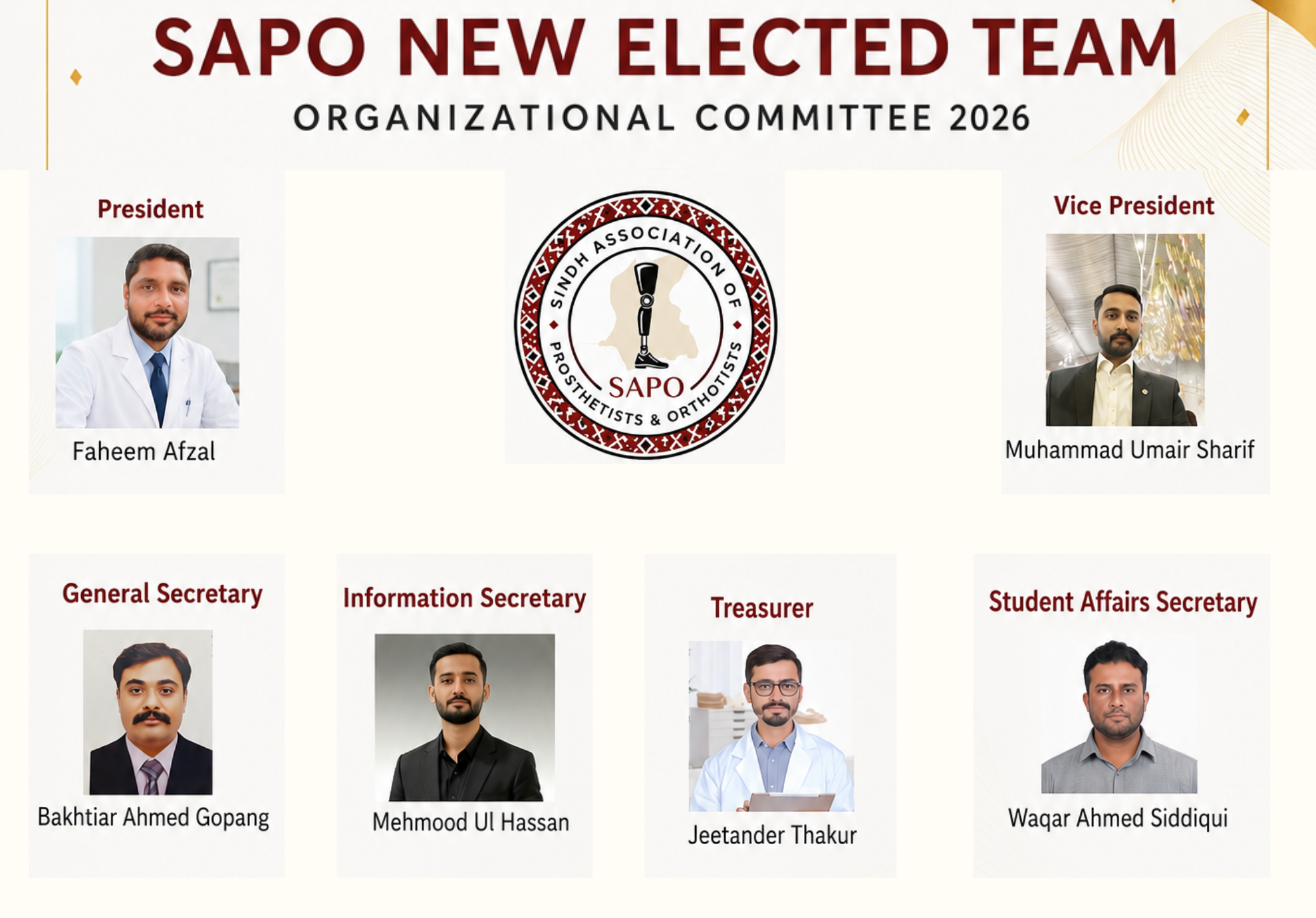
SAPO Announces Newly Elected Organizational Committee
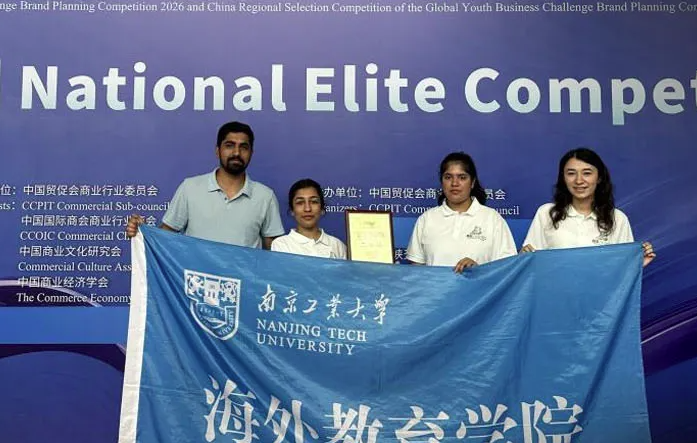
Pakistani, Tajik Students Win Second Prize for 3D-Printed Foot Insoles and Back Braces in ‘Belt & Road’ Business Challenge
Leave a Reply