
AI-Powered Prosthetics Bring New Hope to Women with Disabilities in Pakistan
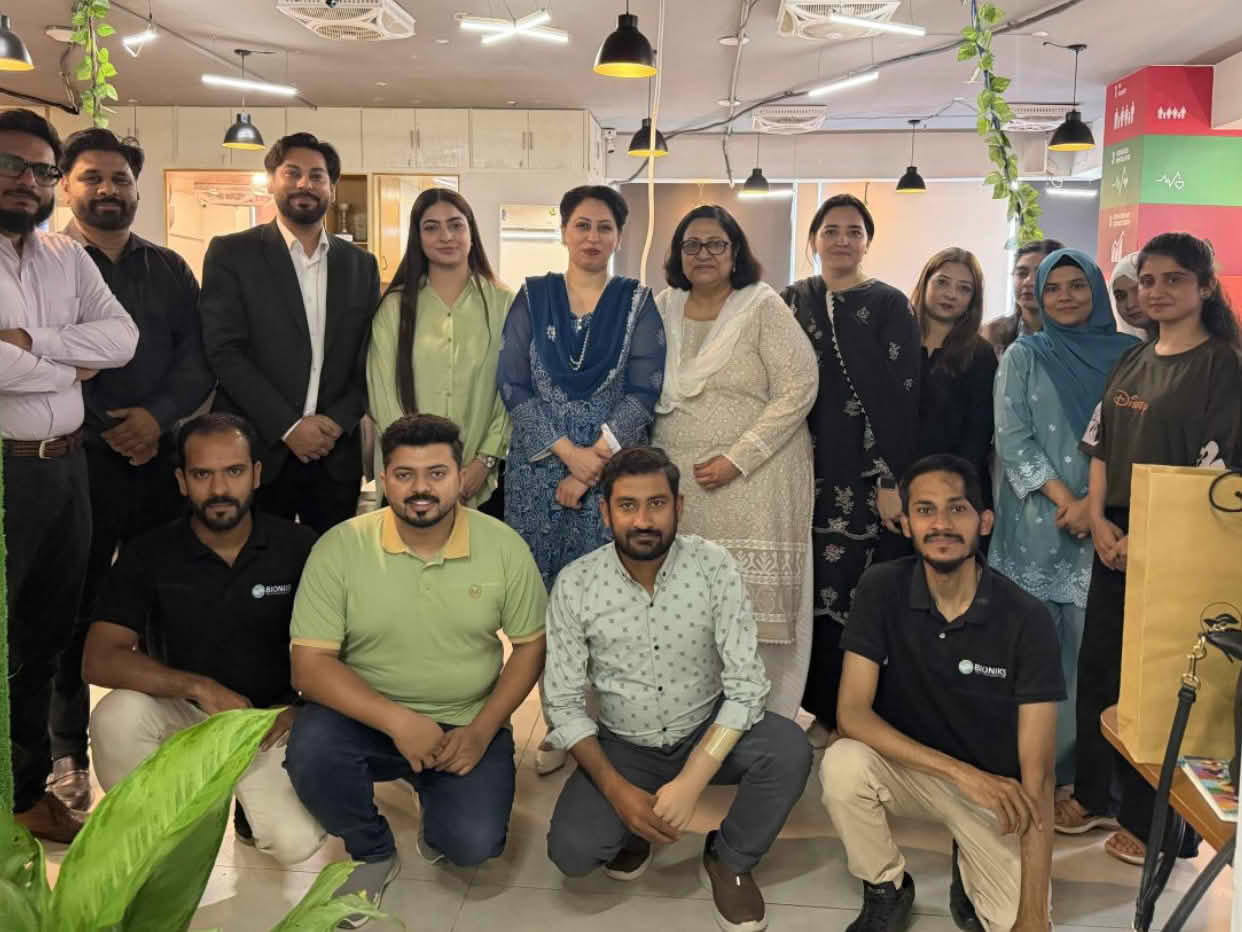

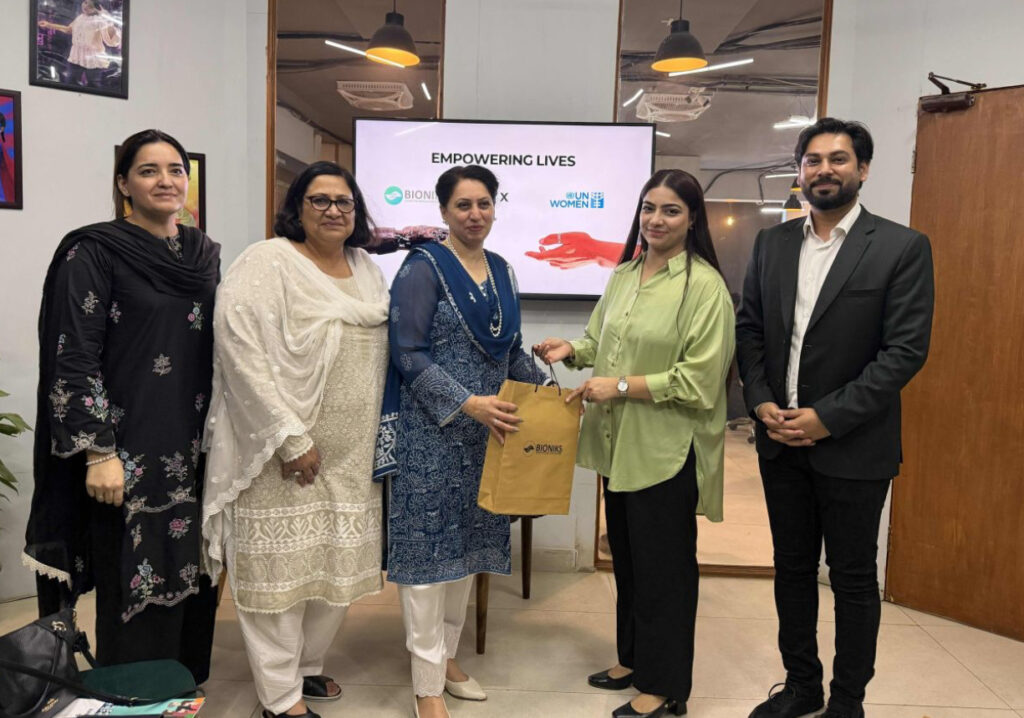
KARACHI – In a small but significant step toward inclusive development, a United Nations official recently visited a Pakistani tech enterprise to see firsthand how artificial intelligence is helping women with disabilities walk again—and work again
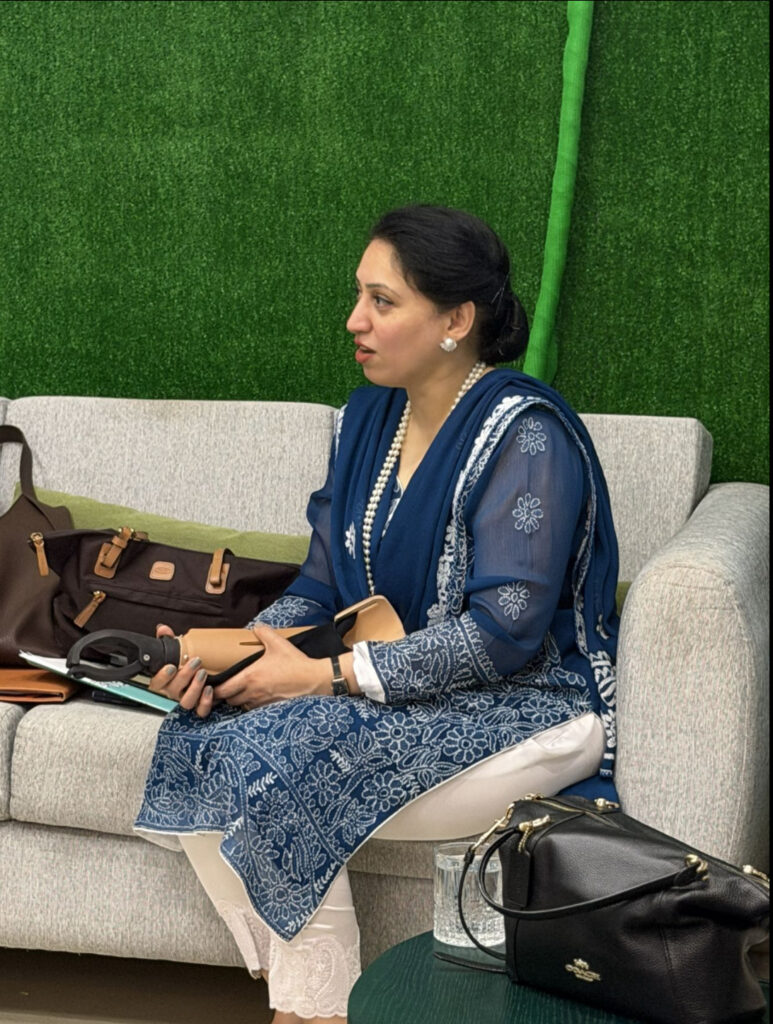
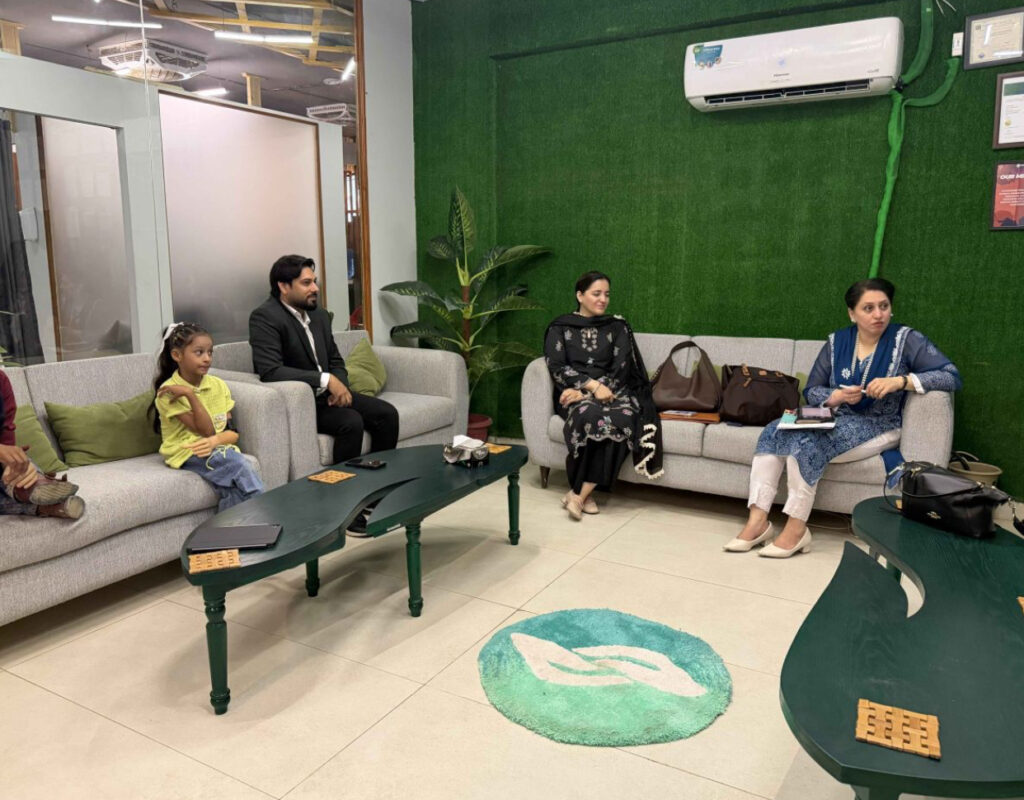
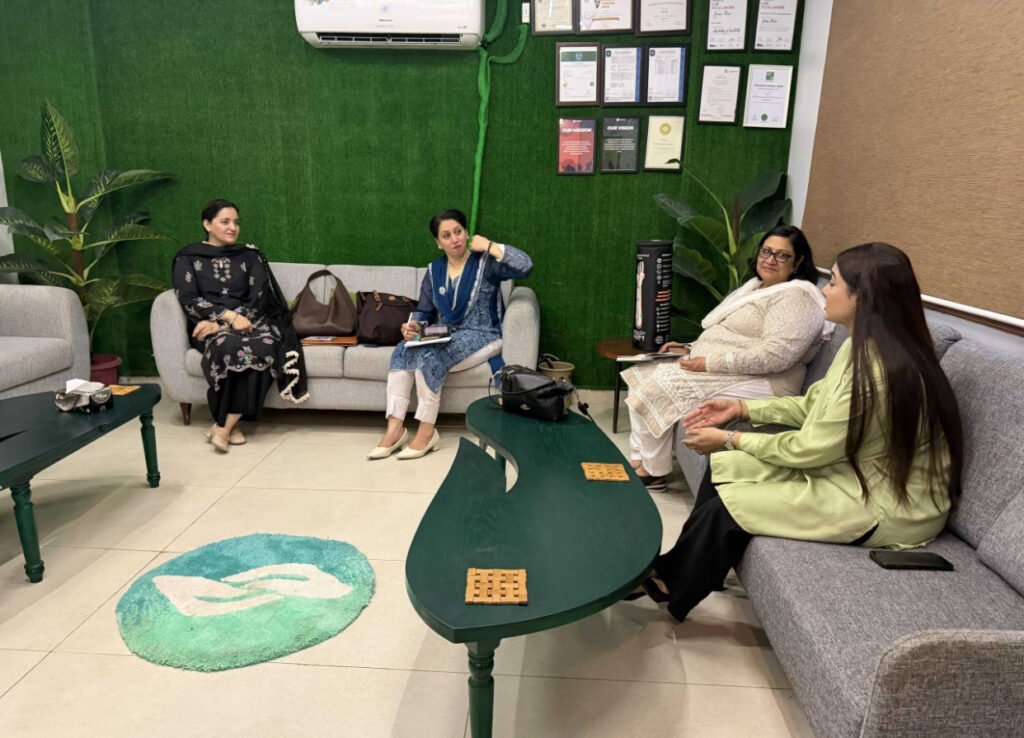
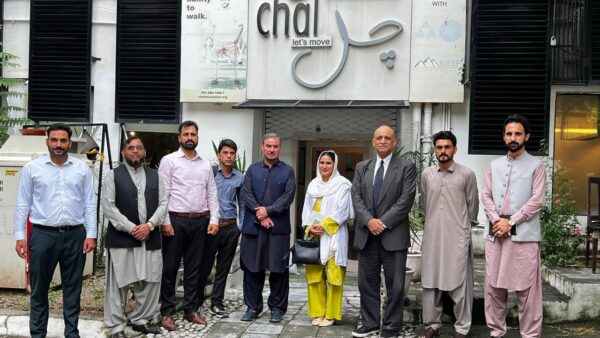
Ms. Fahmida Khan, Deputy Country Representative of UN Women Pakistan, toured Bioniks, a homegrown health-tech company in Karachi that designs affordable, AI-powered prosthetic limbs. The visit was part of ongoing efforts under the Women’s Economic Empowerment programme, which seeks to remove barriers that keep women from earning a living and participating fully in society.
For many women—especially those living in rural and underserved areas—losing a limb has meant losing mobility, independence, and the ability to support their families. But Bioniks is changing that. Using locally developed technology, the company creates smart prosthetic solutions that adapt to a user’s natural movements. These aren’t just mechanical replacements; they are intelligent devices that restore confidence and open doors to jobs and livelihoods.
During her visit, Ms. Khan met women who have received these prosthetics. She saw how a simple yet powerful innovation can break down three major obstacles: access (lack of nearby services), affordability (high cost of imported devices), and stigma (social attitudes that marginalize disabled women).
“This is what inclusive technology looks like,” Ms. Khan said. “When we combine innovation with a focus on women and girls with disabilities, we don’t just change individual lives—we change entire communities.”
Discussions at the event centered on how to scale this model across Sindh province and beyond. UN Women and Bioniks are now exploring stronger partnerships with local governments, civil society, and private sector leaders to ensure that no woman is left behind when it comes to assistive technology.
The message was clear: empowering women with disabilities isn’t charity—it’s smart development. When a woman can walk to work, operate machinery, or run a small shop, she contributes to the economy and inspires others to break free from isolation.
Do you know a woman with a disability who could benefit from affordable prosthetic technology? Share this story to raise awareness, or visit UN Women Pakistan’s social media channels to learn how you can support inclusive innovation in your community. Every woman deserves the right to move, work, and thrive.
OPPAK is Pakistan's dedicated hub for orthotics and prosthetics since 2006— connecting students, professionals, patients and employers with credible news, education pathways, jobs, and success stories.
Related in O&P Organizational news
OrthoCare Pakistan Conducts Free Gait & Posture Screening Camp at American Lyceum School
Clubfoot Care Programme Launched at Public Welfare Hospital Sui under Indus Hospital Network
Leave a Reply