Singaporean Startup Revolutionizes Fracture Care with 4D-Printed Orthoses
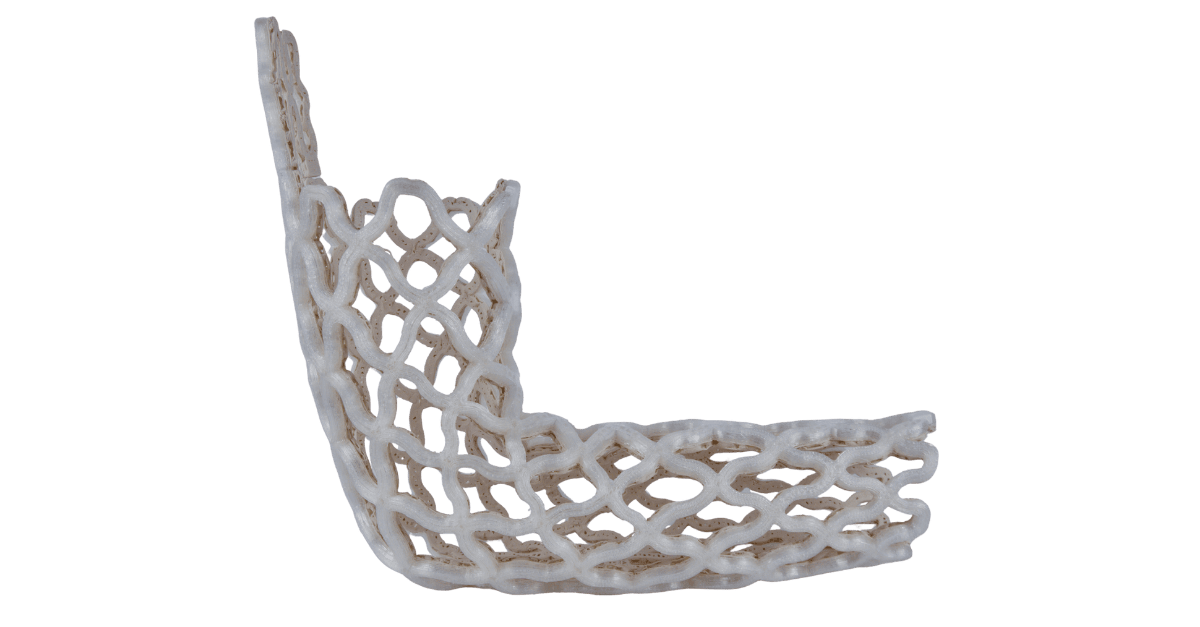

Traditional plaster and fibreglass casts have long been the standard for stabilizing bone fractures, but they come with significant drawbacks in daily use. Patients often complain about heat buildup, itching, inability to get the cast wet, and the need for complete reapplication if adjustments are required. A Singapore-based startup, Castomize, is addressing these challenges with an innovative, open, 3D-printed orthosis that is already in clinical use in Singapore hospitals and clinics.
How Castomize’s 4D-Printed Orthosis Works
Castomize employs a thermoplastic structure produced via 3D printing. After printing, the material can be heated to become malleable. Medical staff soften the component, position it around the injured limb (particularly effective for arm and wrist fractures), and secure it with integrated buckles. As it cools, the orthosis hardens into a rigid, supportive cast.
The company refers to this as 4D printing — the fourth dimension being time. The printed part actively changes shape and function after manufacturing when heat is applied and then removed, allowing it to conform precisely to the patient’s anatomy during application.
Standardization Over Full Customization
Unlike fully patient-specific 3D-printed solutions that require individual scanning and digital modeling, Castomize has opted for standardized size variants for adults and children. This approach eliminates time-consuming scanning and design steps, enabling faster application in busy clinical settings while still providing excellent fit through the heat-molding process.
Key advantages include:
- Waterproof design for easier hygiene and daily activities.
- Breathable open lattice structure that reduces heat and itching.
- Removable and adjustable: The orthosis can be reheated, readjusted, or removed without needing a full replacement.
- Lightweight and more comfortable for long-term wear.
Clinical and Economic Benefits
Manufacturing costs for the Castomize orthosis are reportedly 30–50% higher than traditional fibreglass dressings. However, a clinical trial in Singapore demonstrated overall savings of around 25% in total treatment costs. These savings come from reduced application time, fewer adjustments or replacements, and lower follow-up requirements.
Following successful studies on its use for wrist fractures, the product has received medical device approval in Singapore, with further approvals secured in Australia, South Korea, and Taiwan. Castomize is actively pursuing regulatory clearance in the USA and Europe. The company is also expanding its portfolio with variants for ankle and elbow applications.
Implications for Orthotics & Prosthetics Professionals
For practitioners in orthotics and prosthetics, Castomize represents a practical bridge between traditional casting methods and high-end fully custom 3D solutions. Its standardized-yet-moldable approach offers a balance of speed, cost-effectiveness, and patient comfort that could be particularly valuable in resource-constrained or high-volume settings.
The technology highlights broader trends in the field: leveraging smart materials and additive manufacturing not just for customization, but for improved functionality, reusability, and patient quality of life.
As Castomize continues to grow and expand geographically, it will be worth watching how this 4D-printing model influences casting and splinting practices worldwide. For orthotists and prosthetists in Pakistan and beyond, innovations like this underscore the importance of staying informed about emerging materials and techniques that can enhance clinical outcomes.
Source material and updates available via Castomize’s official channels. OPPAK will continue monitoring developments in 3D/4D printing for orthotic applications.
OPPAK is Pakistan's dedicated hub for orthotics and prosthetics since 2006— connecting students, professionals, patients and employers with credible news, education pathways, jobs, and success stories.
Related in 3D Printing
University of Melbourne Startup Develops Adjustable Lightweight 3D-printed Bionic Arm

Pakistani, Tajik Students Win Second Prize for 3D-Printed Foot Insoles and Back Braces in ‘Belt & Road’ Business Challenge
Leave a Reply