
Himmat Stride Partners with OrthoCare Pakistan to Develop Wearable Sensing Technology for Prosthetics
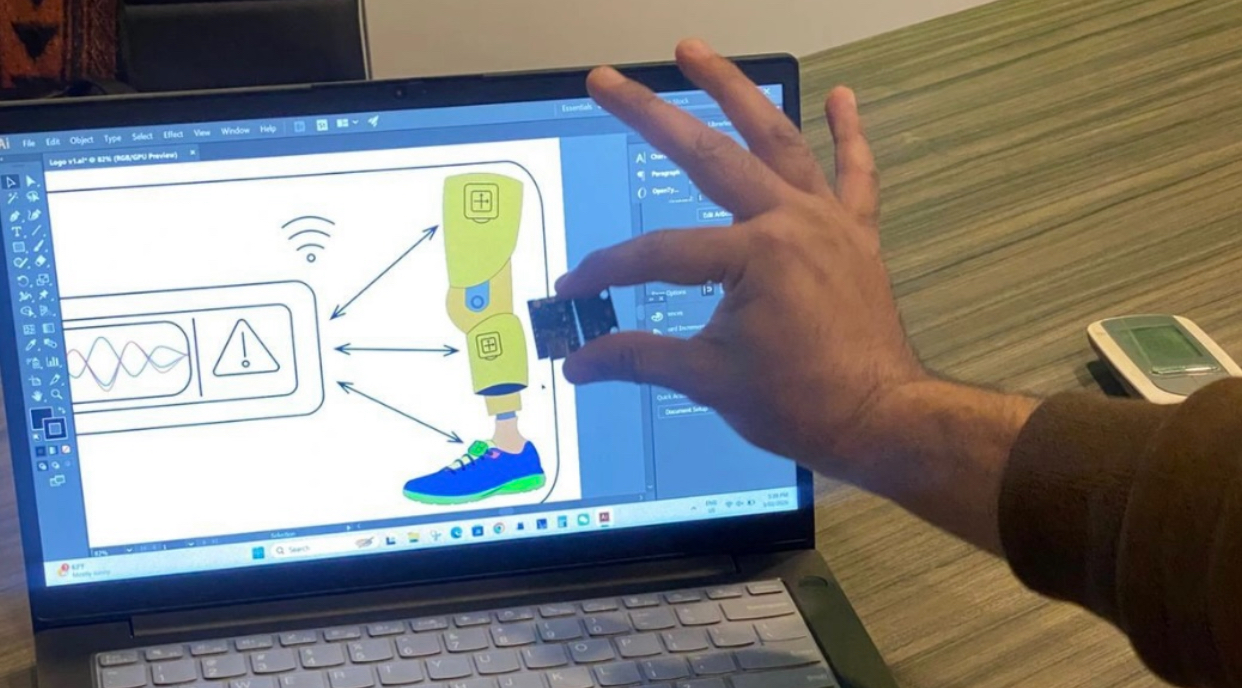

A new collaboration between Himmat Stride, an emerging research-driven startup, and OrthoCare Pakistan, a clinical provider of prosthetic and orthotic services, aims to introduce innovative wearable sensing technologies into rehabilitation care.
The partnership marks an important step for Himmat Stride as it advances through its early prototyping phase. By combining engineering research with clinical expertise, the initiative seeks to develop practical solutions that improve patient outcomes in prosthetics and orthotics.
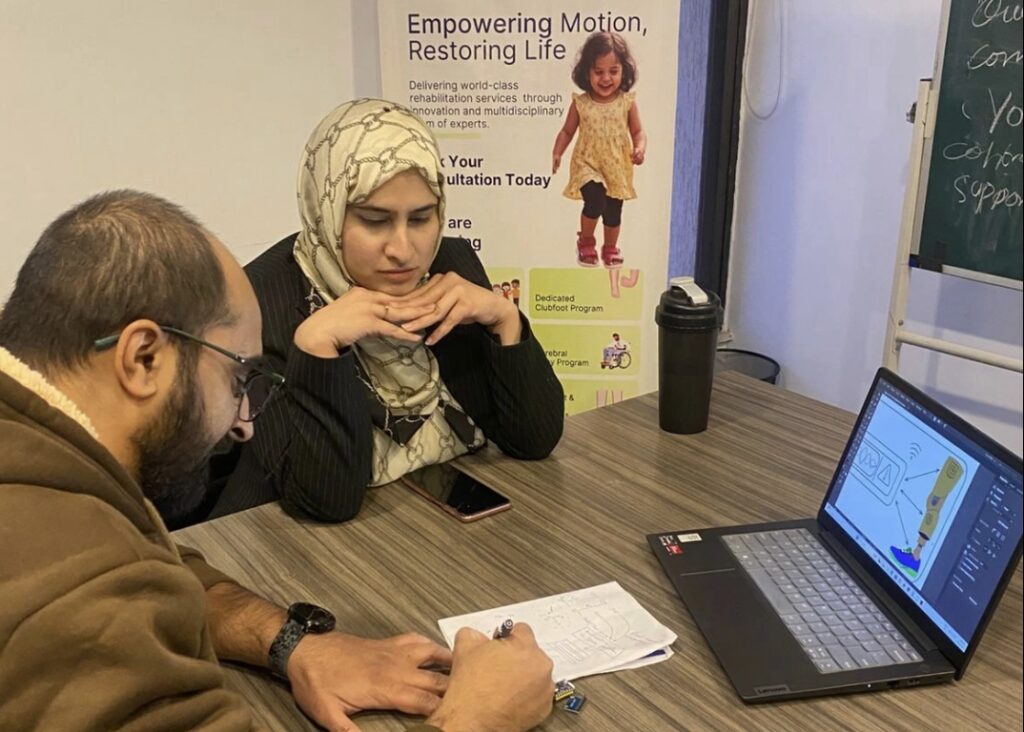
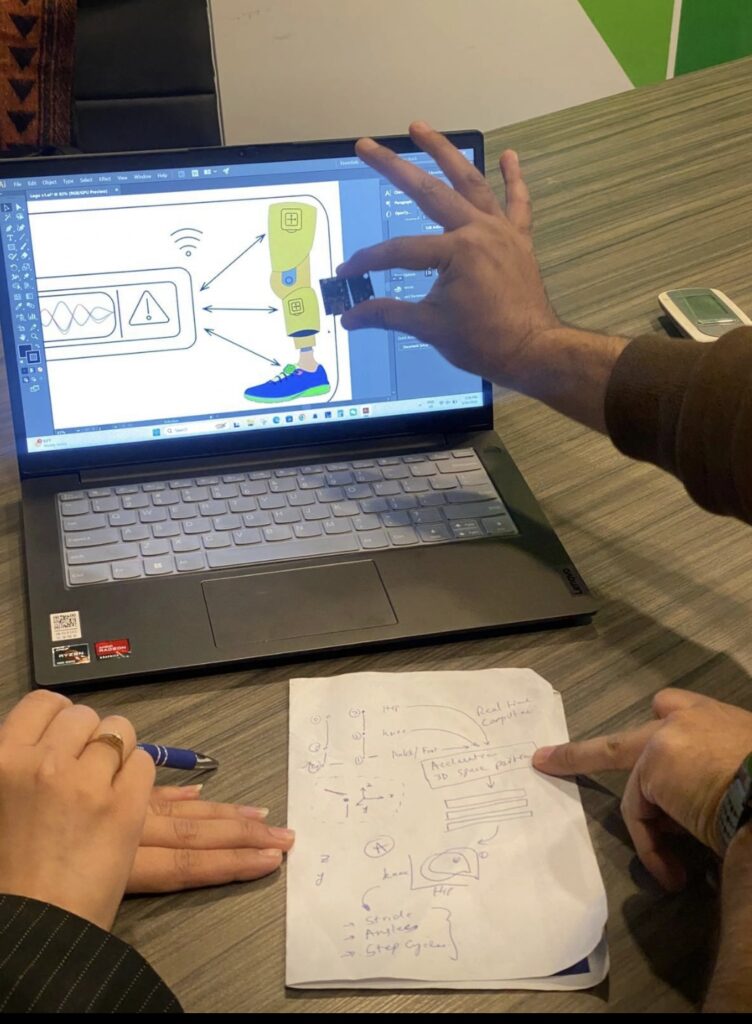
According to the teams involved, the collaboration will integrate Himmat Stride’s wearable sensing systems with the clinical experience of OrthoCare Pakistan. The goal is to design technologies that enable real-time problem solving, better patient monitoring, and cost-effective rehabilitation solutions.
Himmat Stride is currently operating as an early-stage research initiative focused on wearable sensing and biomedical engineering. The team brings expertise in MEMS sensors, embedded systems, and control systems, which are being applied to build intelligent sensing platforms for mobility and rehabilitation applications.
At this stage, the work is primarily centered on engineering validation of the sensing system, ensuring that the technology performs reliably in clinical environments. Developers say further details will be shared as the project progresses and prototypes evolve toward practical deployment.
OrthoCare Pakistan, the clinical partner in the initiative, specializes in designing and delivering prosthetic limbs and orthotic supports tailored to the needs of individual patients. The organization focuses on restoring mobility and improving comfort through customized fittings, adjustments, and rehabilitation support.
Representatives from OrthoCare say their mission is rooted in the belief that mobility represents freedom. Through this collaboration, the clinic hopes to combine technological innovation with patient-centered care to help individuals overcome physical limitations and return to daily activities, work, and sports.
Experts in rehabilitation technology note that integrating wearable sensors into prosthetics and orthotics could play a significant role in the future of patient care. Real-time data from such systems can help clinicians monitor performance, identify issues earlier, and refine device adjustments for improved mobility outcomes.
As development continues, both teams say the partnership represents a shared commitment to innovation in assistive technology and a step toward more accessible, technology-driven rehabilitation solutions.
OPPAK is Pakistan's dedicated hub for orthotics and prosthetics since 2006— connecting students, professionals, patients and employers with credible news, education pathways, jobs, and success stories.
Related in Featured

SAPO Announces Newly Elected Organizational Committee

Pakistani, Tajik Students Win Second Prize for 3D-Printed Foot Insoles and Back Braces in ‘Belt & Road’ Business Challenge

Leave a Reply