Four Decades of Prosthetics, Orthotics & Empowerment by ICRC through Rehabilitation in Pakistan
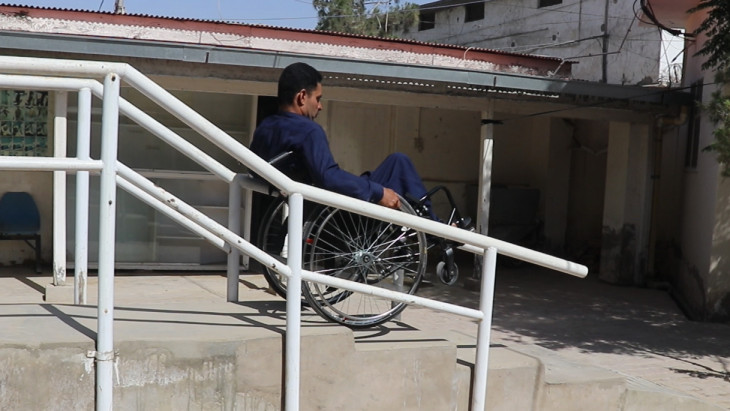

ICRC (International Committee of the Red Cross) has run a major Physical Rehabilitation Programme (PRP) in Pakistan since the 1980s. It focuses on providing prosthetics, orthotics, assistive devices (wheelchairs, crutches), physical therapy, and social inclusion support, primarily for people affected by conflict, earthquakes, polio, accidents, and other disabilities.
History and Scale
- Started in the 1980s during the Afghan-Soviet war, initially to treat war-wounded. The first centre was the Paraplegic Center Hayatabad (now Paraplegic Center Peshawar).
- Expanded significantly after the 2005 Kashmir earthquake, with new centres in Muzaffarabad and other areas of Khyber Pakhtunkhwa (KP).
- Now active across all provinces, with partnerships supporting around 20–24 rehabilitation centres nationwide (figures vary slightly by source and year). In recent years, it works with 7 partner organizations and directly manages/supports 11 centres in KP, Balochistan, and Pakistan-administered Kashmir.
- Impact (past decade up to ~2023): Helped 154,665 people regain mobility.
- 2024 stats: 13,403 people received assistive devices or physiotherapy services (part of broader health impact reaching 240,658 people).
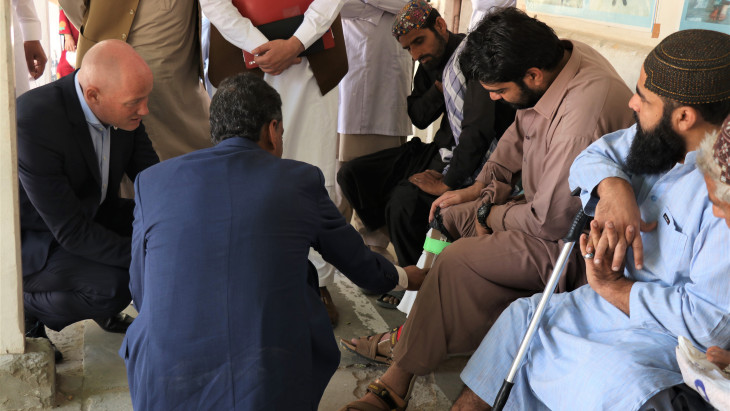
Services typically include custom-made prosthetics/orthotics, physiotherapy, occupational therapy, wheelchairs/walking aids, and follow-up care. Many services are provided free or subsidized, especially for conflict-affected or low-income individuals.
Key Partners and Centres
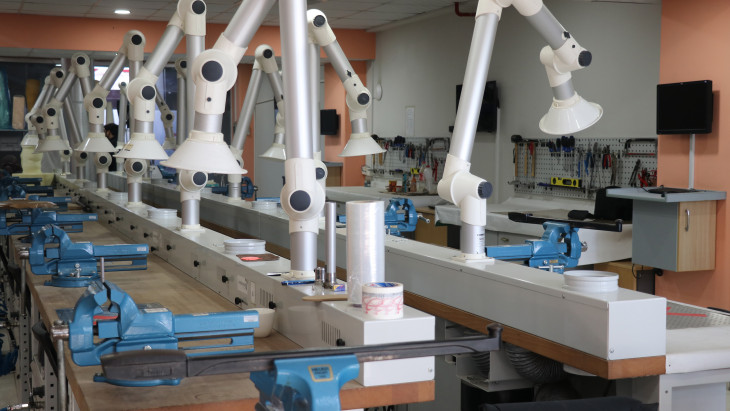
- Pakistan Institute of Prosthetic and Orthotic Sciences (PIPOS) and PRSP (PIPOS Rehabilitation Services Project) in Peshawar and satellite centres (e.g., Bannu, Swat, Bajaur, Miranshah in Waziristan). Strong focus on training and service delivery.
- Muzaffarabad Physical Rehabilitation Centre (MPRC) — Built post-2005 earthquake.
- Paraplegic Centre Peshawar (Hayatabad).
- Centres managed with CHAL Foundation, Indus Hospital Network (some handed over), and others in Balochistan, KP, and beyond.
- Outreach camps (e.g., in Muzaffarabad in 2025).
Recent Developments
- Recent MoU with PIPOS (around early 2026): Signed to strengthen collaboration on prosthetic/orthotic services, capacity building, technical support, and service standards across Pakistan, especially for trauma, polio, and congenital disabilities.
- Continued support for centres in conflict-prone or remote areas like Waziristan, with mobile teams fitting prosthetics.
- Rehab Initiative (RI): ICRC-established local non-profit (2016) for sustainable local production of materials, training, and cost-effective assistive devices.
Broader Efforts
- Capacity building — Training for prosthetists/orthotists, sponsoring students, vocational programs.
- Social inclusion — Sports, community integration, and advocacy for disability rights.
- Sustainability — Focus on handing over centres to local partners (e.g., to Indus Hospital) while maintaining technical/financial support where needed. Studies show strong positive impact on quality of life and socioeconomic conditions for users.
The programme emphasizes high-quality, affordable, and locally sustainable solutions, using ICRC-developed technologies for low-cost devices. It remains one of the most significant ongoing rehabilitation efforts in Pakistan, particularly in underserved and conflict-affected regions.
Source: https://www.icrc.org/en/document/pakistan-four-decades-empowering-people-disabilities
OPPAK is Pakistan's dedicated hub for orthotics and prosthetics since 2006— connecting students, professionals, patients and employers with credible news, education pathways, jobs, and success stories.
Related in Report
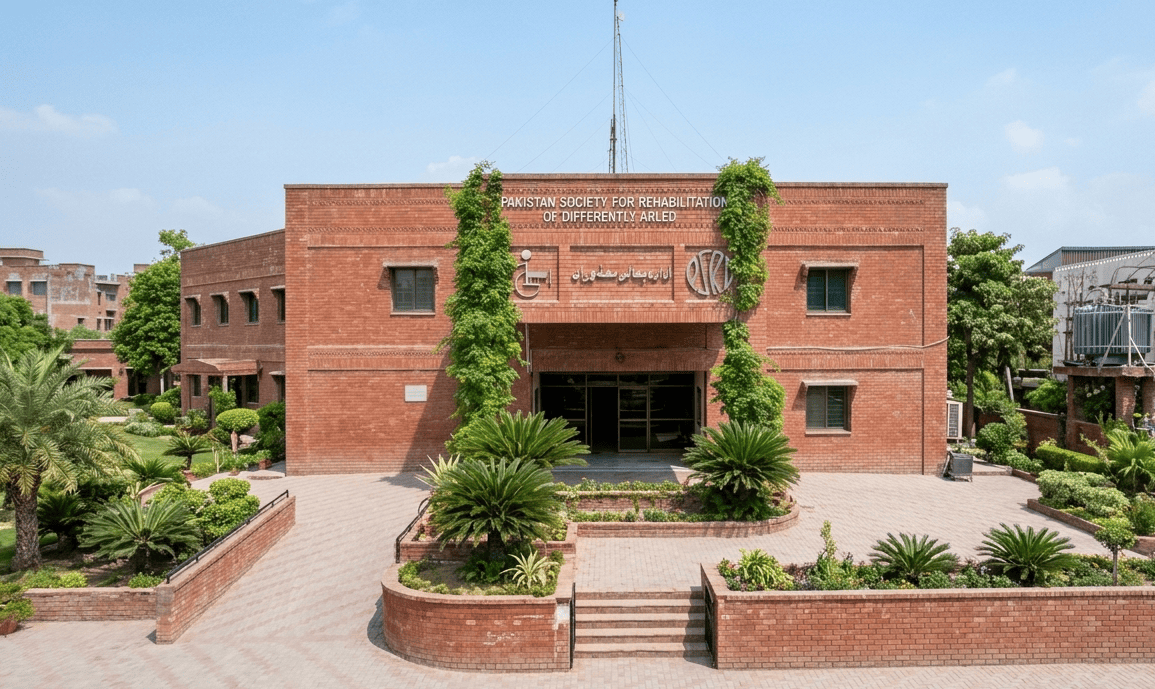
Pakistan Society for the Rehabilitation of the Differently abled (PSRD) Highlights Impact of Orthotics & Prosthetics Centre
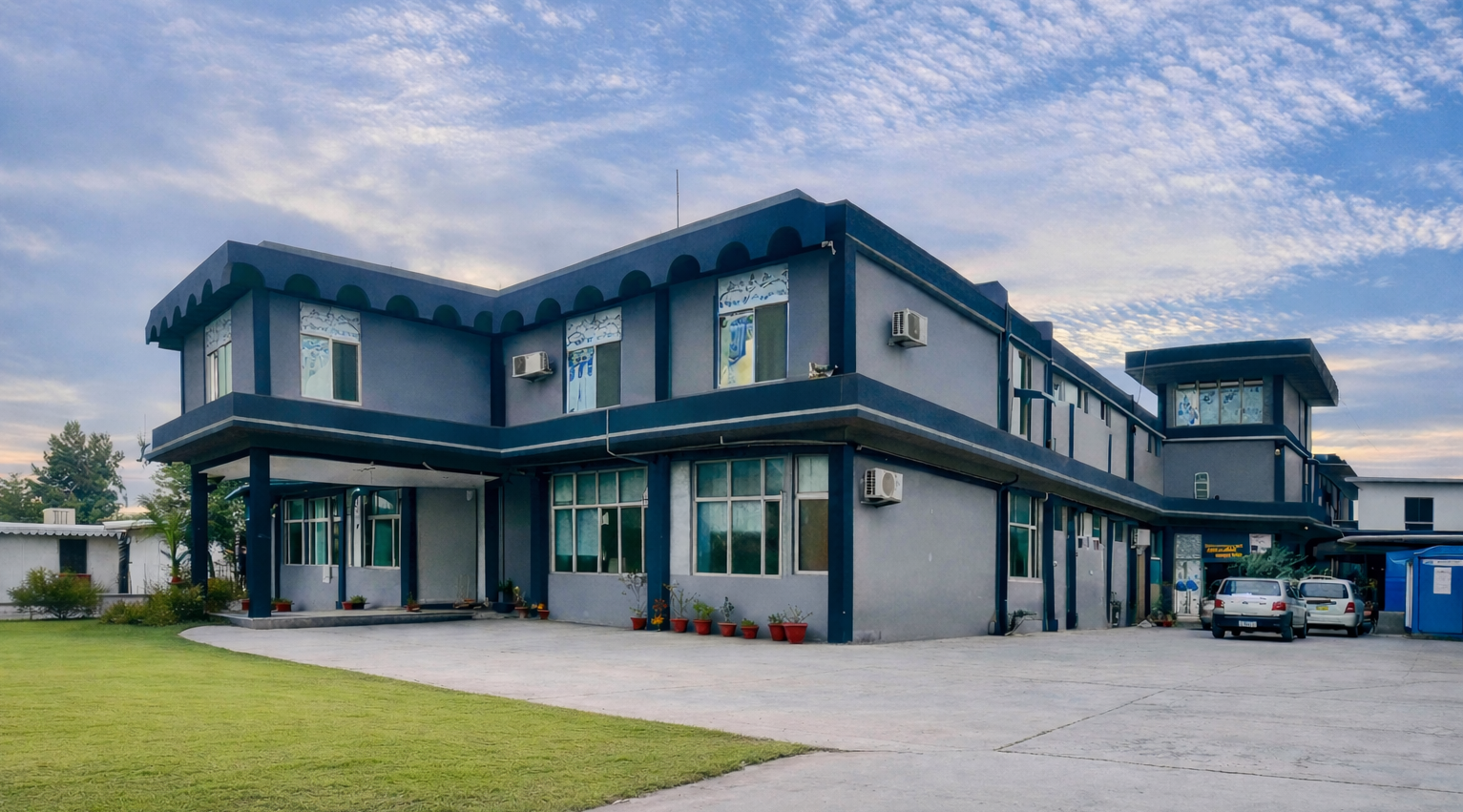
PIPOS Expands Nationwide Rehabilitation Impact, Thousands of Patients Benefit Across Pakistan
Leave a Reply