
Bioniks Pakistan Showcases AI-Powered Prosthetics at Social Enterprise World Forum 2025
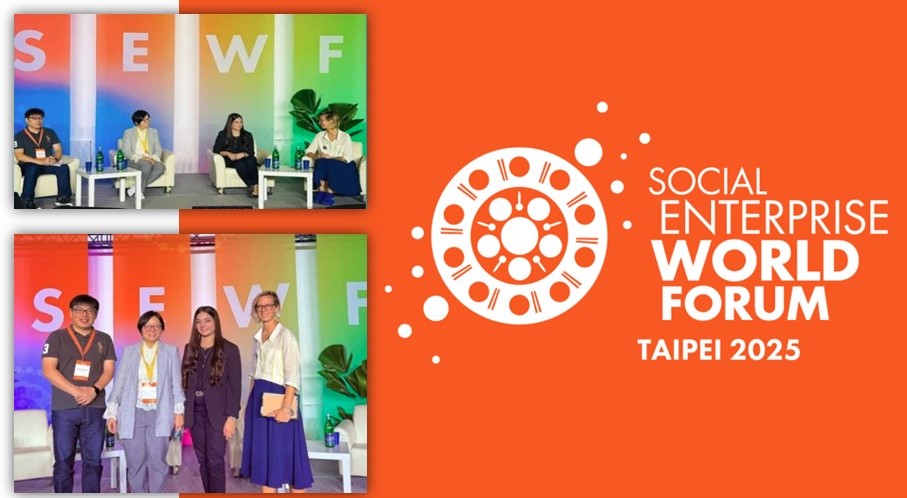

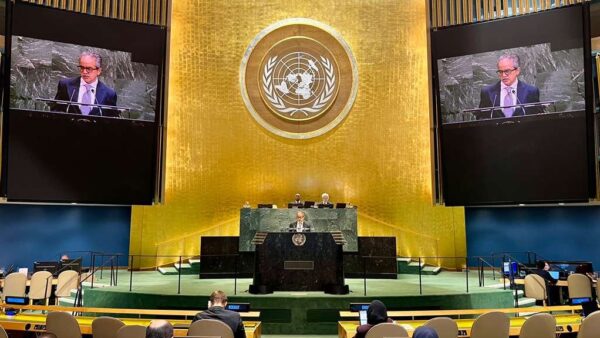
TAIPEI, TAIWAN – Bioniks, a pioneering social enterprise specializing in accessible prosthetic solutions, made a significant impact at the Social Enterprise World Forum (SEWF) 2025, held in Taipei from October 29-30. The company’s Co-Founder and Chief Mission & Research Officer (CMRO), Dr. Ayesha Zulfiqar, was a featured speaker at the global gathering, highlighting the role of technology in driving social change.
Dr. Zulfiqar participated in a panel titled “Tech for Good: Harnessing Innovation for Social Impact,” which explored how emerging technologies can address pressing global challenges, including digital poverty, unequal access to resources, AI bias, and the environmental footprint of innovation.
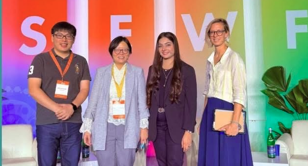
During her address, Dr. Zulfiqar emphasized Bioniks’ commitment to leveraging artificial intelligence and advanced technology to make high-quality prosthetic care accessible and affordable worldwide. She shared the company’s readiness to scale its solutions globally, ensuring that advanced assistive devices are seen not as luxury items, but as essential lifelines for those in need.
“Innovation must begin with people—especially those who are often left behind,” Dr. Zulfiqar stated. “At Bioniks, we are not only developing technology; we are building bridges to dignity, mobility, and inclusion.”
The session also delved into the critical importance of ethical AI development. Dr. Zulfiqar underscored that for technology to truly serve humanity, it must be designed with empathy, equity, and inclusivity at its core.
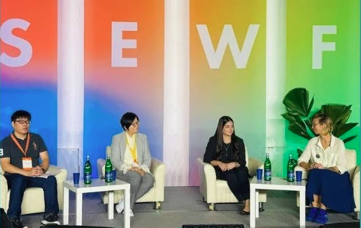
Bioniks’ participation in SEWF 2025 reaffirmed its mission to combine technological innovation with social purpose. By engaging with fellow changemakers, investors, and sector leaders, the company continues to advocate for a future where assistive technology is within reach for all.
For more information about Bioniks and their initiatives, visit their official social media channels on Facebook and LinkedIn, or follow updates from the SEWF platform.
About Bioniks:
Bioniks is a social enterprise dedicated to developing affordable, AI-enhanced prosthetic arms. Through the use of 3D scanning, 3D printing, and machine learning, the company aims to transform prosthetic accessibility—particularly for children and underserved communities—worldwide.
OPPAK is Pakistan's dedicated hub for orthotics and prosthetics since 2006— connecting students, professionals, patients and employers with credible news, education pathways, jobs, and success stories.
Related in News & Updates
P&O Community of Pakistan Mourns the Loss of Murad Ali
CM Sindh Visits Rotary Orthotics Prosthetic Centre Ahead of Sub-National Immunization Days (SNIDs) polio campaign

Leave a Reply