
Sindh Govt Distributes Rs800 Million for Assistive Devices Including Prosthetics to Empower Disabled Persons
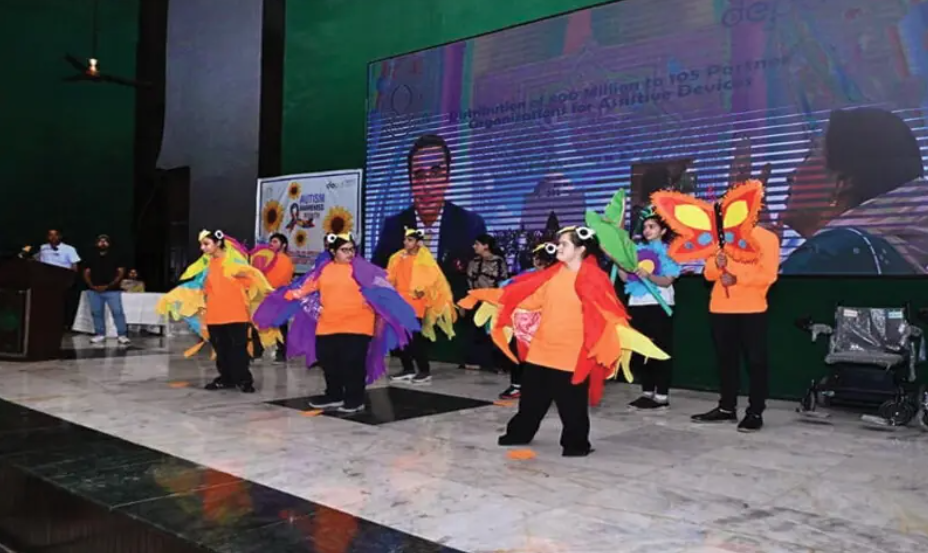

KARACHI: Sindh Chief Minister Syed Murad Ali Shah has distributed Rs800 million among 105 partner organisations and NGOs for the provision of assistive devices to differently abled persons—including prosthetics and orthotics—terming the initiative a significant step towards inclusion, dignity, and equal opportunity.
Addressing the ceremony organised by the Department of Empowerment of Persons with Disabilities (DEPD) at CM House, the chief minister said the initiative reflected the government’s commitment to building an inclusive and compassionate society.
Mr Shah noted that the government, in collaboration with partner organisations, was ensuring the provision of wheelchairs, hearing aids, prosthetics, and other assistive devices that could significantly improve the quality of life for persons with disabilities.
According to officials, the government had allocated Rs800 million for assistive devices for fiscal year 2025-26, with a significant portion already released for distribution through partner NGOs.
Earlier, Secretary of DEPD Tauha Farooqi gave a presentation on the department’s performance. He informed the audience that services were being provided to individuals with diverse needs, including autism, Down syndrome, ADHD, dyslexia, visual and hearing impairments, cerebral palsy, and other neurological and physical disabilities—a category that typically includes those requiring orthotic and prosthetic support.
The secretary added that the DEPD was offering a comprehensive range of services, including free education, stipends, uniforms, assistive devices (which include prosthetics and orthotics), transportation, meals, textbooks, Braille materials, and access to audio-visual libraries.
Similarly, the Sindh Institute of Physical Medicine and Rehabilitation was expanding its services, with new facilities operational in Hyderabad and additional centres under construction in several cities.
Through these collaborations, the government stated that 15 new centres have been established, services have expanded province-wide, and approximately 120,000 individuals have benefited directly and indirectly.
The chief minister also announced plans for a comprehensive disability census to ensure accurate data for improved planning and service delivery.
OPPAK is Pakistan's dedicated hub for orthotics and prosthetics since 2006— connecting students, professionals, patients and employers with credible news, education pathways, jobs, and success stories.
Related in Featured
SAPO Announces Newly Elected Organizational Committee

Pakistani, Tajik Students Win Second Prize for 3D-Printed Foot Insoles and Back Braces in ‘Belt & Road’ Business Challenge
Leave a Reply