
Global Innovations in Orthotics and Prosthetics (O&P): Key Highlights from 2025

The field of orthotics and prosthetics (O&P) continues to evolve rapidly in 2025, driven by advancements in 3D printing, AI integration, bionic technologies, and sustainable materials. These innovations are enhancing accessibility, personalization, and functionality, particularly in emerging markets. Globally, the O&P market is projected to grow from approximately USD 7.6 billion in 2025 to USD 13.3 billion by 2035, at a CAGR of 5.7%, fueled by rising chronic conditions like diabetes and an aging population. Below, I highlight notable innovations, partnerships, and trends, emphasizing global diversity across regions.
Technological Breakthroughs
- 3D Printing and Customization: 3D printing remains a cornerstone, enabling affordable, patient-specific devices. In Asia, NIPPON EXPRESS HOLDINGS invested in Instalimb, Inc., expanding 3D-printed prosthetics to the Philippines and India, reducing costs by up to 50% for lower-limb solutions. In Europe, PROTEOR acquired Filament Innovations in February 2025 to streamline digital workflows for orthotic insoles, integrating AI for biomechanical analysis.
- Bionic and Sensor-Integrated Devices: Myoelectric prosthetics, using muscle signals for control, are advancing with sensor tech. The global myoelectric market is expected to reach USD 270 million by 2032 (CAGR 5.55%), led by Ottobock and Össur. In North America, Fillauer’s Myo/One Electrode system (launched June 2023, expanded 2025) partners with Coapt for pattern recognition control, improving upper-limb dexterity by 30%.
- AI and Smart Materials: AI-enabled prosthetics for gait optimization are gaining traction. China’s orthopedic AI and surgical robotics have reached “international leading levels,” supporting custom orthotics for diabetic patients. In Europe, lightweight carbon fiber and thermoplastics in bionic feet (e.g., Össur’s models) enhance energy return and comfort.
Regional Spotlights
| Region | Key Innovations and Updates (2025) | Impact |
|---|---|---|
| North America | Hanger Ventures (launched Feb 2024, active 2025) accelerates AI prosthetics; Phantom Neuro raised $19M (Apr 2025) for mind-controlled interfaces. UNICEF Aotearoa-FIANZ pilot (May 2025) aids Gaza child amputees with modular prosthetics. | Leads market (38% share); focuses on reimbursement and tech integration for 30M+ global users needing support. |
| Europe | Aspen Medical acquired Advanced Orthopaedics (2025) for spine braces; EU’s ENRICH in Africa (extended 2025) builds incubator networks for cross-continental O&P startups. PCI-Otto Bock partnership (Mar 2025) equips Indian Paralympians with bionic limbs. | 37% market dominance; emphasizes regulatory standards (e.g., CE marking) and sustainability in materials. |
| Asia-Pacific | Psyonic partnered with EastPoint (May 2024, expanded 2025) for bionic limbs in India/Philippines; South Korea’s GII rank (4th globally) boosts sensor prosthetics. | Fastest growth (CAGR 6.4%); addresses diabetes amputations via affordable 3D solutions. |
| Africa & Middle East | EO AFRICA R&D Facility launched 10 African-European tandems (Dec 2024, ongoing 2025) for Earth observation-aided orthotics design. Morocco/Ghana AI hubs (proposed 2025) co-develop low-cost prosthetics. | Emerging focus on access; UNICEF initiatives target conflict zones, with 23,000+ child amputees in Gaza needing scalable rehab. |
Upcoming Global Events and Initiatives
- International Prosthetics and Orthotics Day (IPOD): November 5, 2025, themed “Products – Advancing Access, Innovation, and Quality.” Hosted by ISPO, it celebrates global progress in assistive tech.
- ISPO Global Educators Meeting: March 23–25, 2026, in Bangkok, Thailand, focusing on P&O education and innovation for Asia-Pacific.
- Market Drivers: Aging populations and sports injuries boost demand; orthotics hold 58.9% share for musculoskeletal support, while prosthetics grow fastest via bionics.
These developments underscore a shift toward inclusive, tech-driven care, with collaborations bridging high-income and low-resource settings. For deeper insights, resources like the ISPO World Congress or WHO reports on mobility aids are invaluable.
OPPAK is Pakistan's dedicated hub for orthotics and prosthetics since 2006— connecting students, professionals, patients and employers with credible news, education pathways, jobs, and success stories.
Related in Report
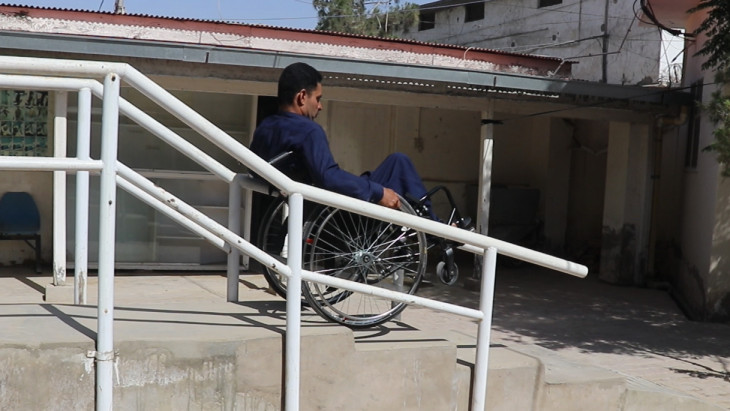
Four Decades of Prosthetics, Orthotics & Empowerment by ICRC through Rehabilitation in Pakistan
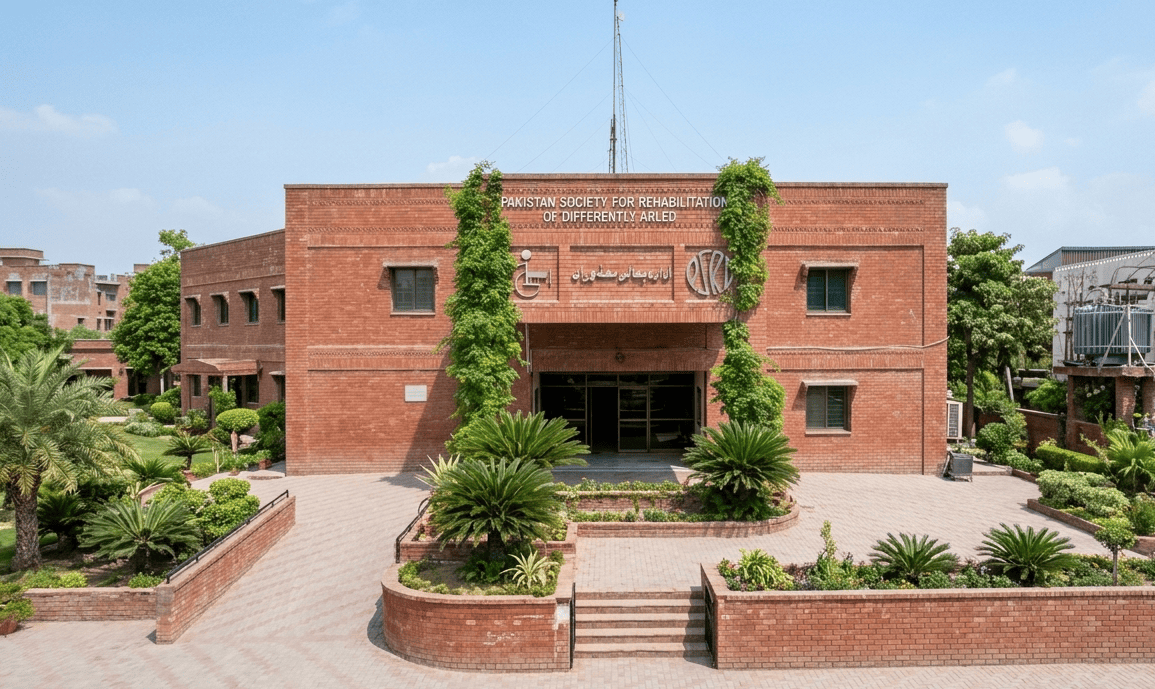
Pakistan Society for the Rehabilitation of the Differently abled (PSRD) Highlights Impact of Orthotics & Prosthetics Centre
Leave a Reply