Now Reading: PIPOS Expands Nationwide Rehabilitation Impact, Thousands of Patients Benefit Across Pakistan
-
01
PIPOS Expands Nationwide Rehabilitation Impact, Thousands of Patients Benefit Across Pakistan
PIPOS Expands Nationwide Rehabilitation Impact, Thousands of Patients Benefit Across Pakistan
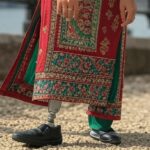
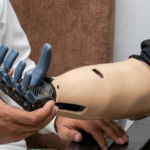
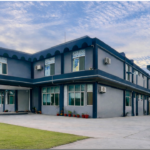
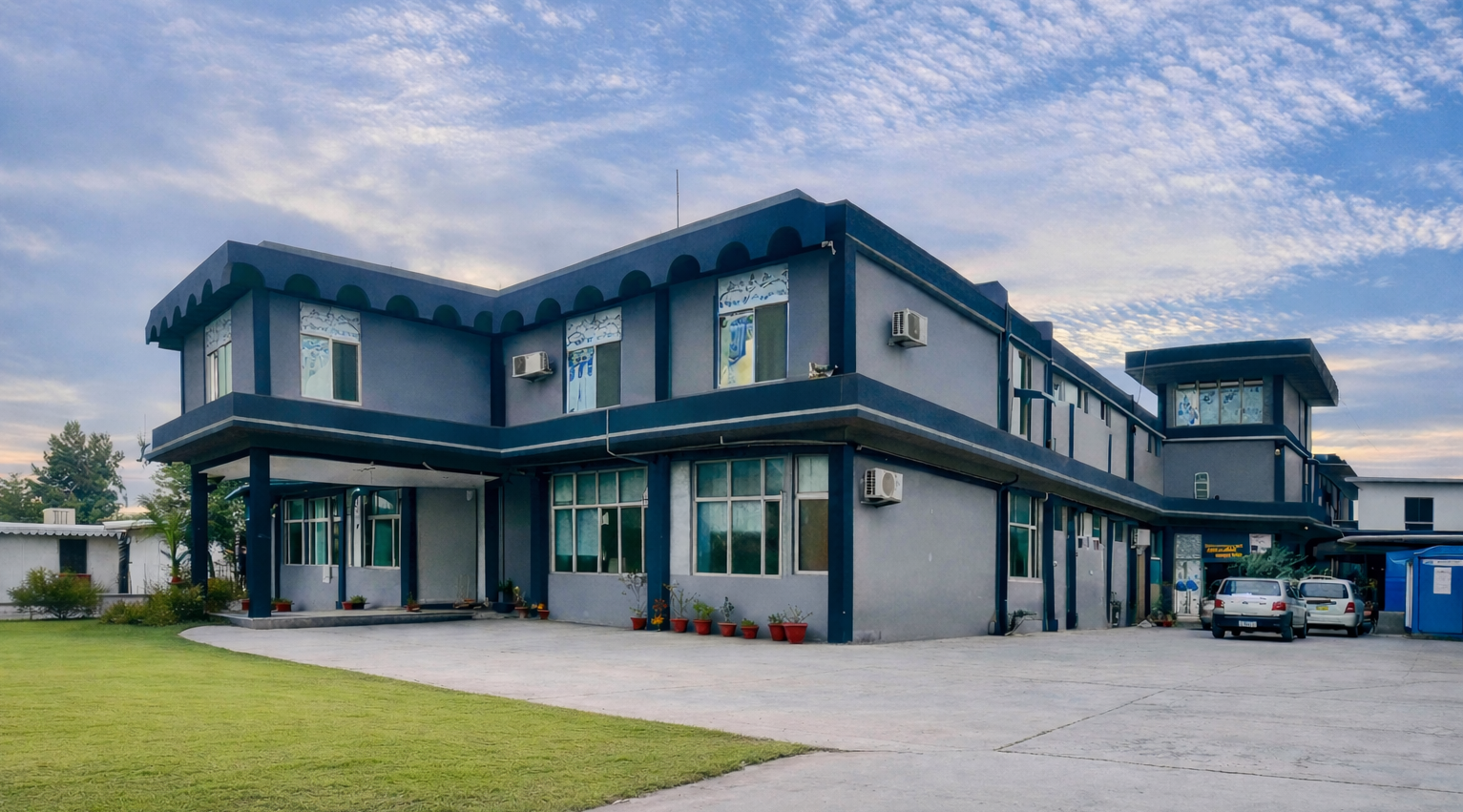
The Pakistan Institute of Prosthetic and Orthotic Sciences (PIPOS) continues to play a vital role in restoring mobility and independence for persons with disabilities through specialized prosthetic and orthotic rehabilitation services. Established to provide modern assistive solutions and professional training in rehabilitation sciences, PIPOS has emerged as one of Pakistan’s leading institutions supporting patients affected by limb loss, congenital conditions, trauma, and physical impairments.
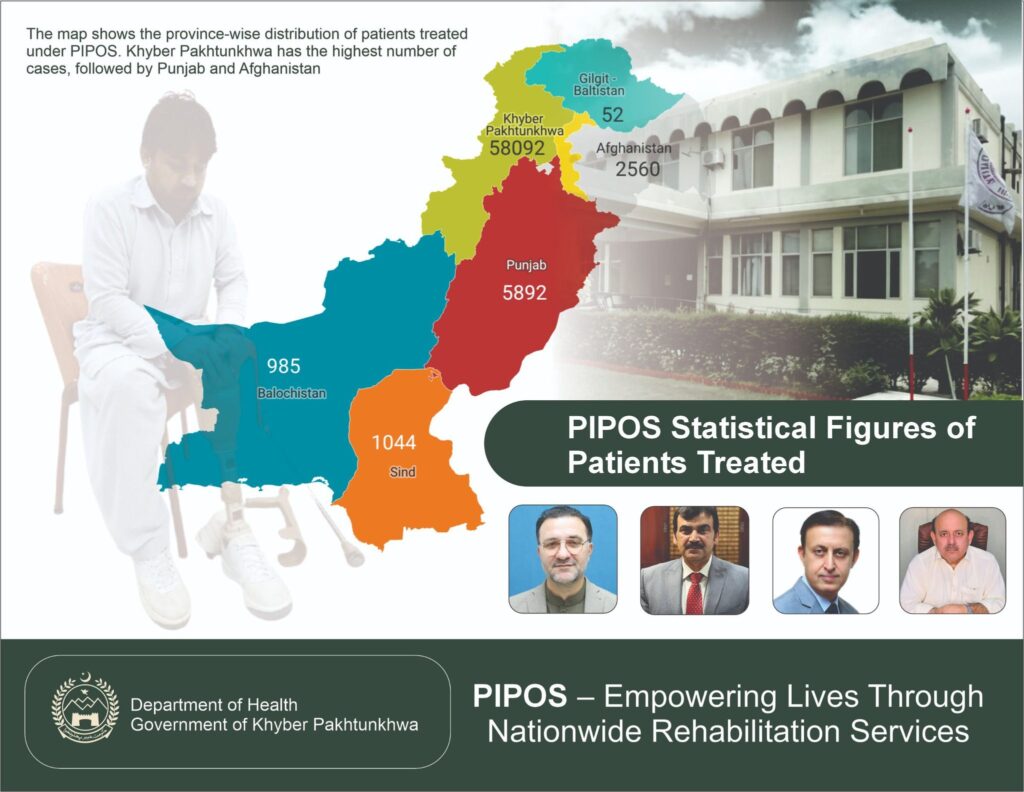
According to newly released statistical figures, thousands of patients across multiple regions have received treatment and rehabilitation services under PIPOS-supported programs. The data highlights a strong nationwide outreach, with services extending beyond provincial boundaries.
The province of Khyber Pakhtunkhwa recorded the highest number of beneficiaries, with 58,092 patients receiving treatment. Health officials attribute this significant number to expanded rehabilitation access, improved referral systems, and strengthened collaboration between hospitals and rehabilitation centers operating under provincial health initiatives.
In Punjab, 5,892 patients benefited from prosthetic and orthotic services, demonstrating growing awareness and demand for mobility rehabilitation. Notably, the program also supported 2,560 patients from Afghanistan, reflecting PIPOS’s regional humanitarian outreach and cross-border healthcare cooperation.
Other provinces also showed meaningful participation. Sindh reported 1,044 treated patients, while Balochistan recorded 985 beneficiaries. In northern regions, Gilgit‑Baltistan accounted for 52 patients, highlighting ongoing efforts to extend rehabilitation services to geographically remote communities.
The initiative operates under the supervision of the Department of Health Government of Khyber Pakhtunkhwa, which has emphasized rehabilitation as a key component of inclusive healthcare. Officials state that prosthetic and orthotic interventions not only restore physical mobility but also improve social participation, employment opportunities, and overall quality of life for patients.
Health experts note that access to prosthetic and orthotic care remains a critical yet often overlooked area of healthcare in developing regions. By expanding nationwide services, PIPOS aims to bridge this gap through clinical treatment, professional education, and community-based rehabilitation programs.
As rehabilitation demand continues to grow, authorities say further expansion of outreach services, trained professionals, and modern assistive technologies will be essential to ensure that every individual requiring mobility support can regain independence and dignity.