Now Reading: Motorica’s Omni Hand: The Next Generation Bionic Prosthesis That Feels Your Intent
-
01
Motorica’s Omni Hand: The Next Generation Bionic Prosthesis That Feels Your Intent
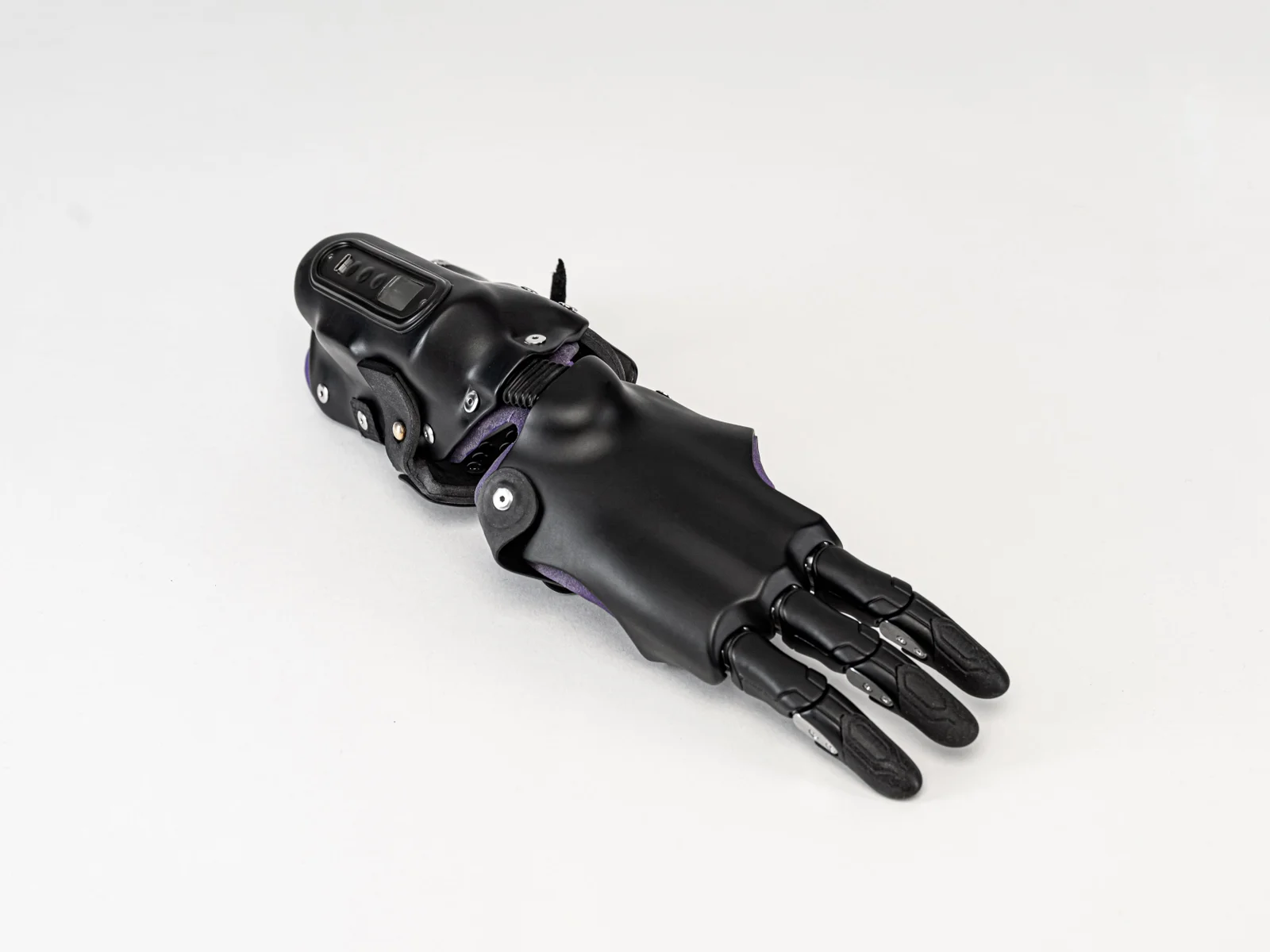
Motorica’s Omni Hand: The Next Generation Bionic Prosthesis That Feels Your Intent
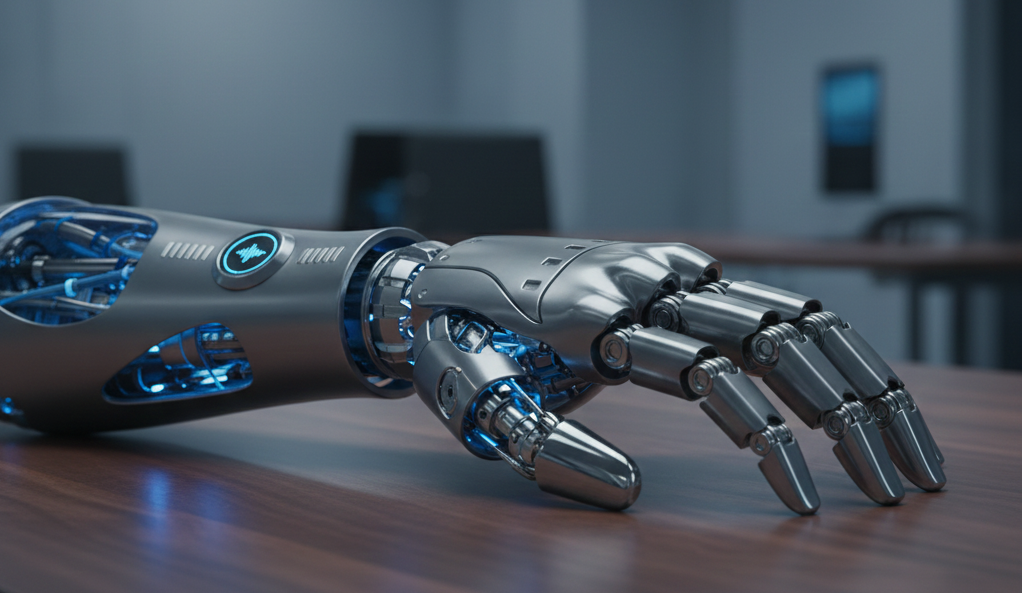
Motorica, a global leader in MedTech innovation, has unveiled the Omni Hand, a revolutionary bionic hand prosthesis that uses optical myography (OMG) to sense user intent. Unlike traditional prosthetics that rely on strong electrical muscle signals, the Omni Hand detects subtle changes in tissue light transmission, allowing users to control the prosthesis even with weak or inconsistent muscle activity caused by trauma, burns, frostbite, or long-term immobilization.
The system captures muscle intent in a way that enables smooth, natural, and accurate movements, shortening the learning curve and making the prosthesis feel like an extension of the body rather than a tool. Early pilot programs with eight users have shown exceptional outcomes, including improved fluidity of motion and more intuitive grip control, making the prosthesis responsive to what users intend to do rather than merely reacting to muscle movement.
CEO Andrei Davidiuk highlighted that the Omni Hand represents a fundamental shift in prosthetic technology: it “moves beyond simply responding to muscle movement and begins to understand the intention behind it,” enhancing autonomy, confidence, and the emotional connection users have with their prosthetic limb. Mass production is planned for 2026, promising wider availability in rehabilitation centers and prosthetic clinics worldwide.
This breakthrough not only redefines prosthetic functionality but also opens a new era in bionic limb development, making daily tasks more accessible and natural for amputees everywhere.