Now Reading: From Thought to Movement — New Method Enables Ultra‑Precise Control of Bionic Arms
-
01
From Thought to Movement — New Method Enables Ultra‑Precise Control of Bionic Arms
From Thought to Movement — New Method Enables Ultra‑Precise Control of Bionic Arms
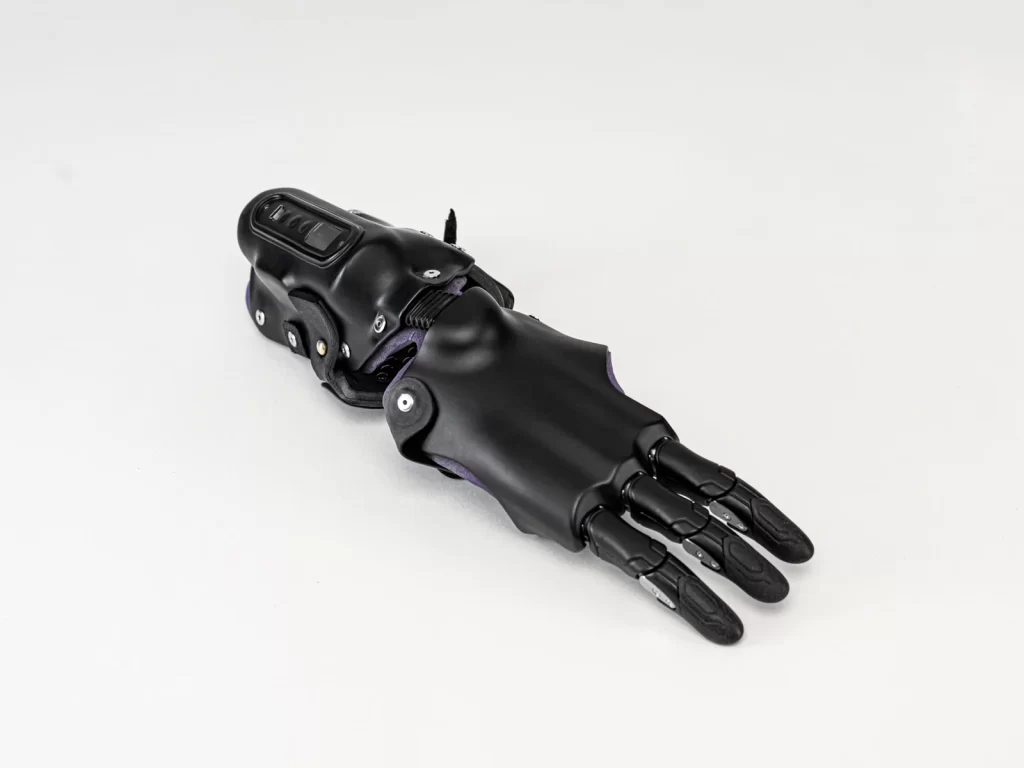
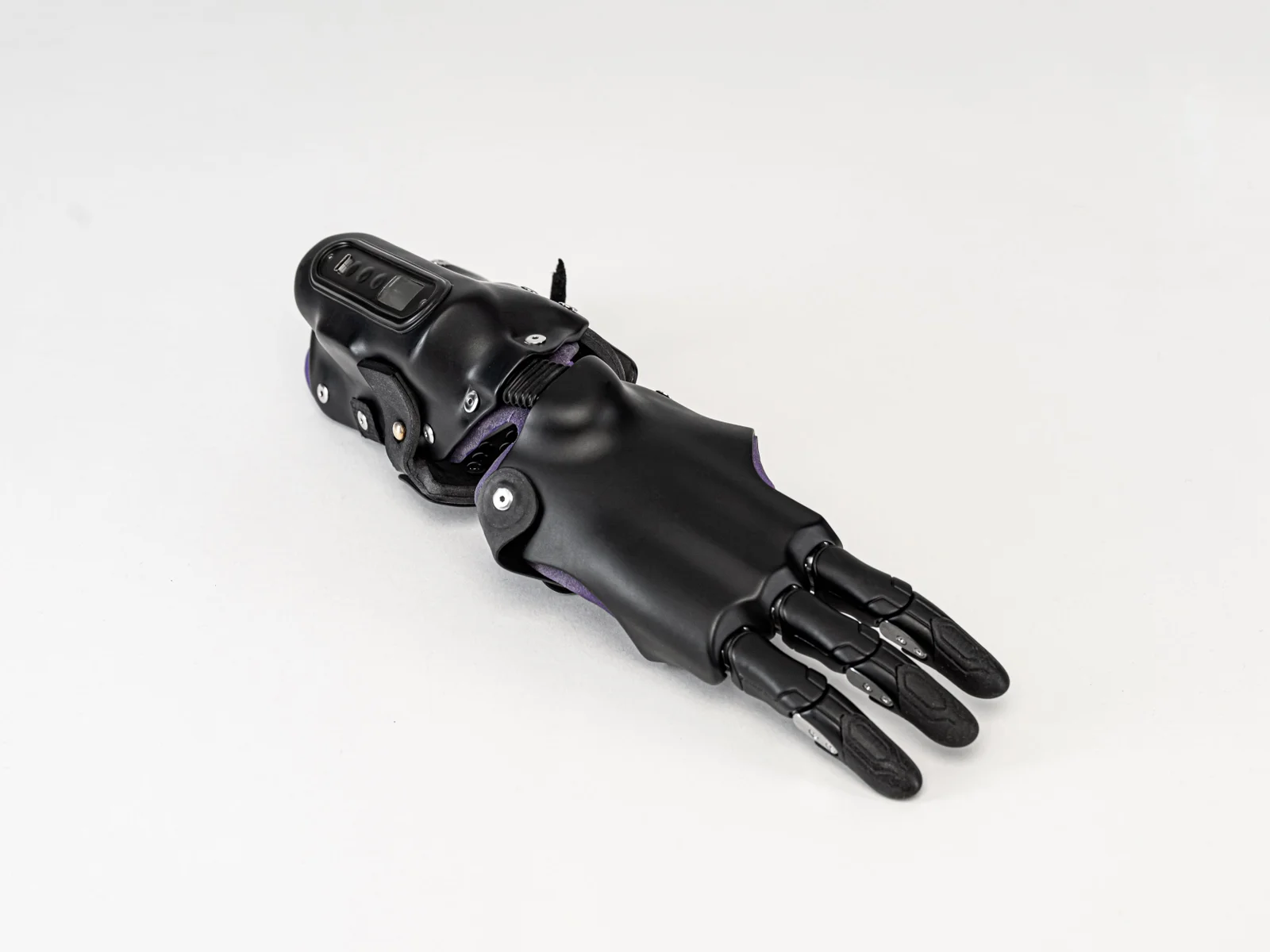
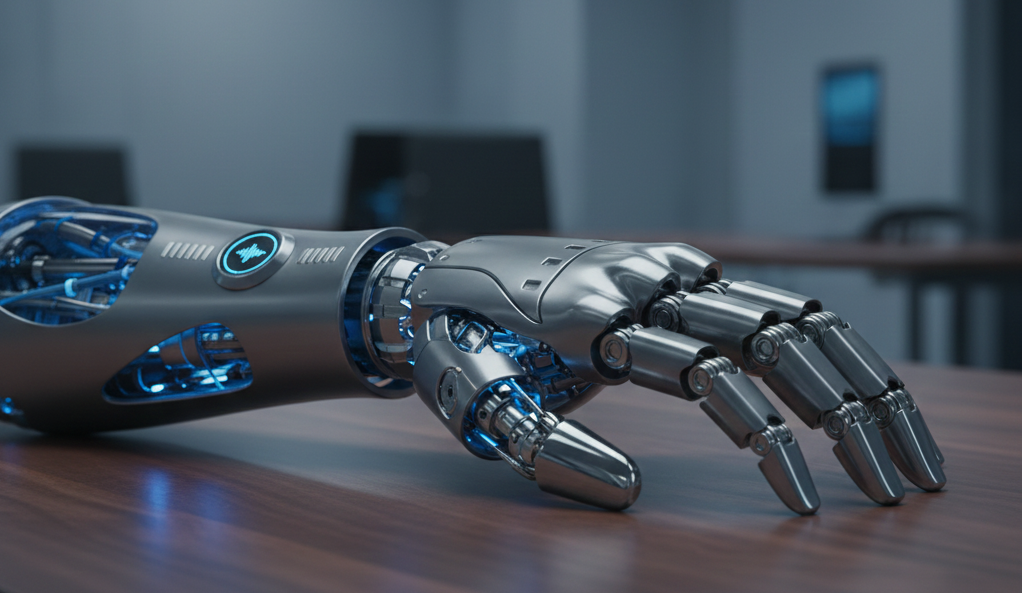
Researchers from the Medical University of Vienna in collaboration with Imperial College London have unveiled a groundbreaking approach that could transform how prosthetic limbs are controlled, offering amputees unprecedented natural and intuitive movement. The study, part of the European Research Council-funded project Natural BionicS, involved implanting advanced 40-channel microelectrode arrays into the muscles of amputees who had undergone Targeted Muscle Reinnervation (TMR), a surgical technique that reconnects severed nerves to remaining muscles. This setup allowed, for the first time, the direct measurement of individual motor neuron activity, capturing the precise nerve signals responsible for intended movements.
Remarkably, participants could simply imagine moving their “phantom” arm, such as flexing a finger or bending the wrist, and the system could decode distinct neural patterns linked to those imagined motions. The findings demonstrate that even after amputation, the nervous system retains detailed “movement intentions,” which can be mathematically interpreted and reconstructed to guide prosthetic devices. This innovation addresses one of the major challenges in prosthetics: making artificial limbs feel like a natural extension of the body rather than mechanical tools. With precise neural decoding, future prostheses could respond exactly as the user intends, providing a level of control and fluidity previously unattainable.
Researchers envision the development of a “bioscreen” that visualizes neural movement patterns in real time, along with wireless implants capable of transmitting nerve signals directly to prosthetic limbs, creating seamless brain-to-device communication. For amputees, this breakthrough promises more intuitive control, faster adaptation, and enhanced performance in daily activities, from simple grasping to complex hand movements. For clinicians and prosthetic developers, the technique represents a paradigm shift from muscle-signal-based control to direct neural control, paving the way for a new generation of advanced prosthetic technology. While further studies are needed to confirm long-term reliability and safety, this innovation brings us closer than ever to prosthetic limbs that truly feel like part of the human body.
Original article : New method enhances precision in bionic limb movement interpretation