Now Reading: Locally developed Advanced Myoelectric Hand Gives New Life to Limb-Loss Patient in South Punjab
-
01
Locally developed Advanced Myoelectric Hand Gives New Life to Limb-Loss Patient in South Punjab
Locally developed Advanced Myoelectric Hand Gives New Life to Limb-Loss Patient in South Punjab
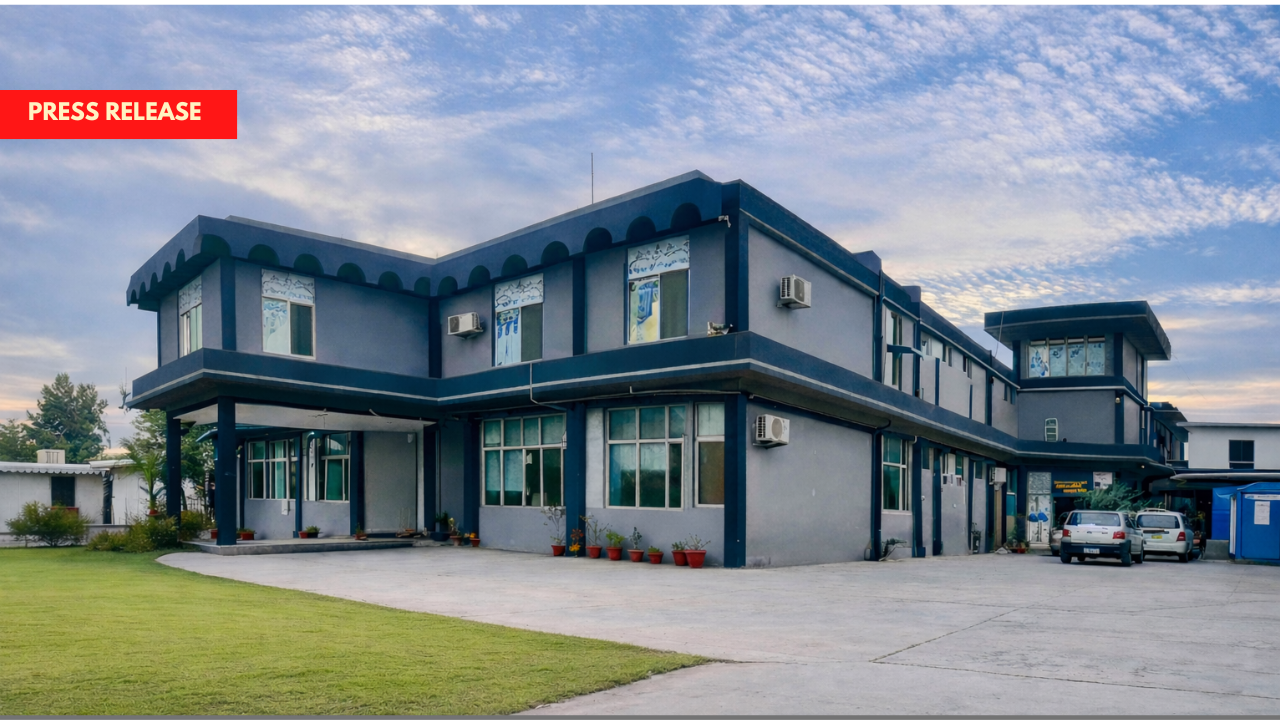
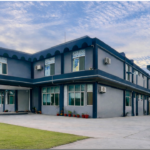
One year after losing his right hand in a tragic accident, 48-year-old Muhammad Rashid from Quetta has taken a significant step toward regaining independence. Following the accident, Rashid underwent recovery and rehabilitation before seeking a prosthetic solution that could help him return to daily activities. Recently, he visited National Orthopaedic and General Hospital Bahawalpur, where a team of orthotics and prosthetics specialists evaluated his condition.
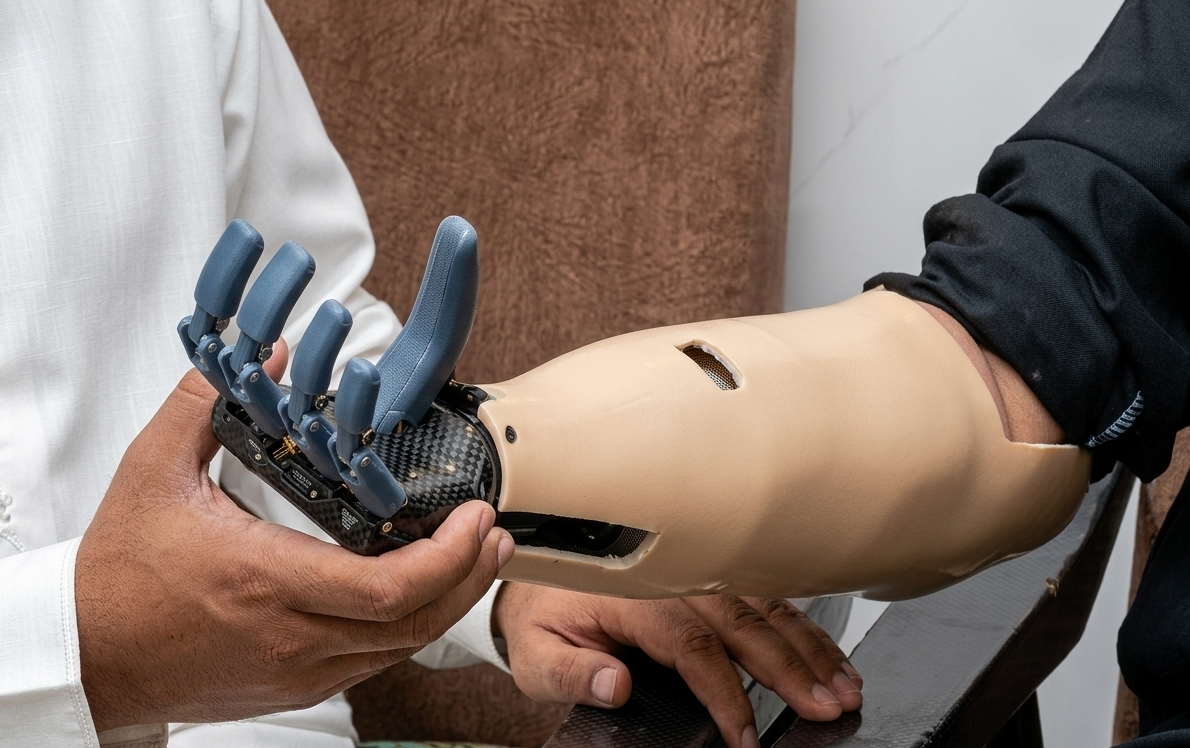
According to the clinical team, the patient had an ideal residual limb below the elbow, making him a suitable candidate for an advanced myoelectric hand prosthesis—a technology that uses muscle signals to control prosthetic movement.
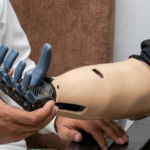
The team recommended a sensor-based myoelectric hand, one of the most advanced upper-limb prosthetic solutions currently available in Pakistan. The device works through electromyographic (EMG) signals, where sensors detect muscle activity in the patient’s residual limb and translate it into mechanical movement, allowing the prosthetic hand to open and close automatically.
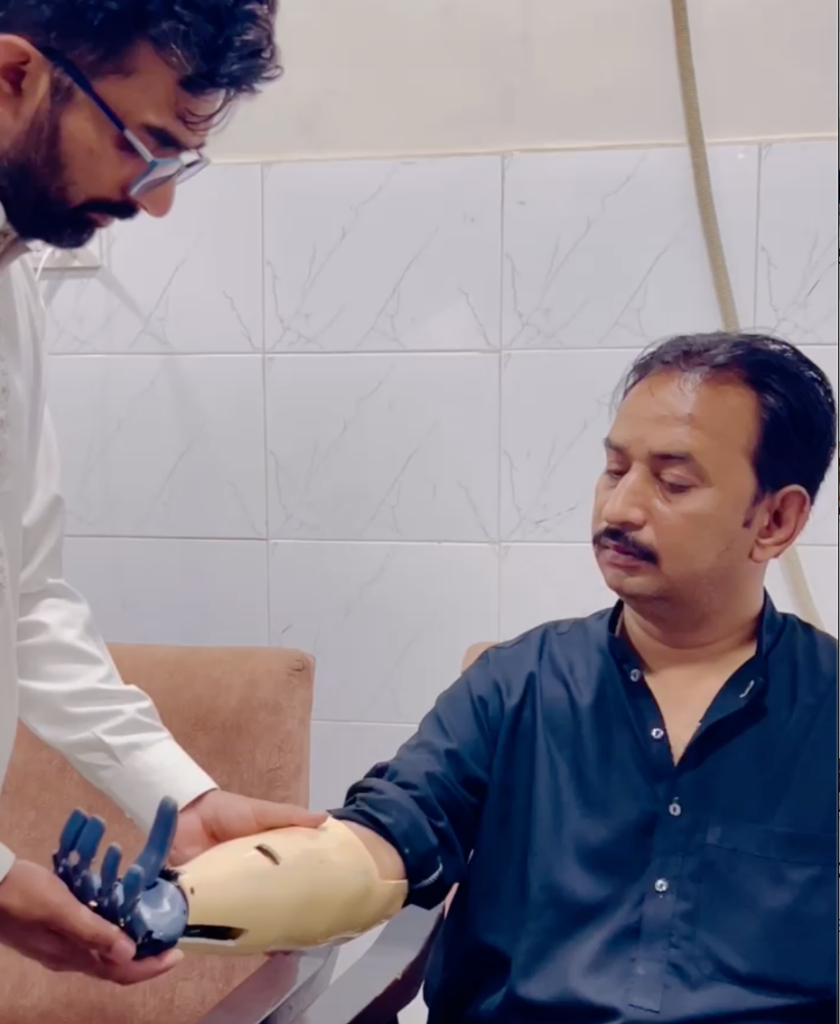
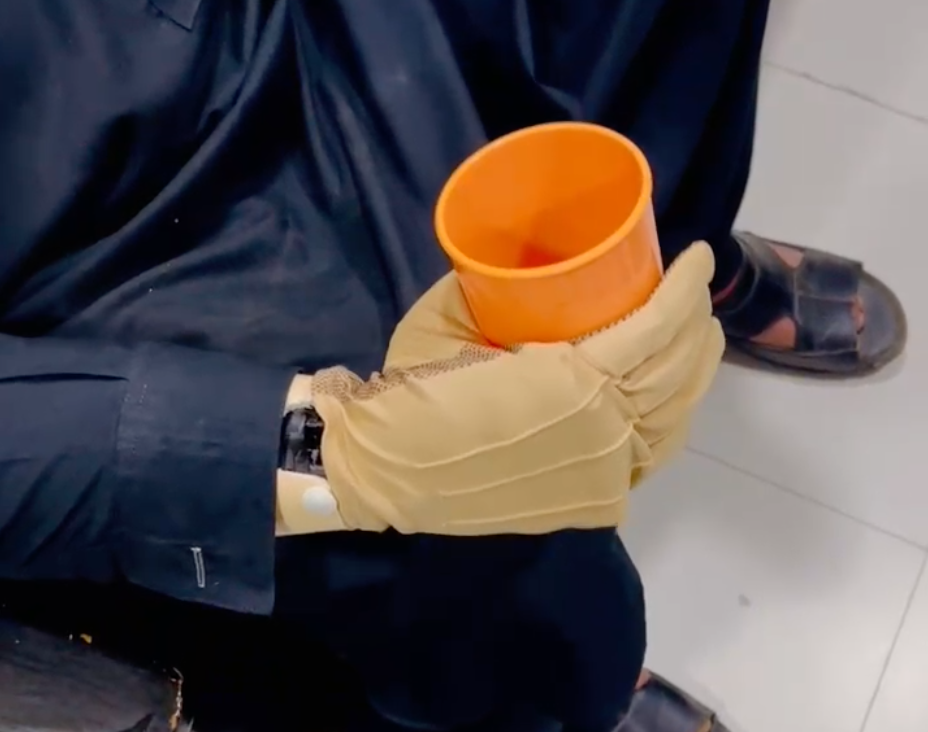
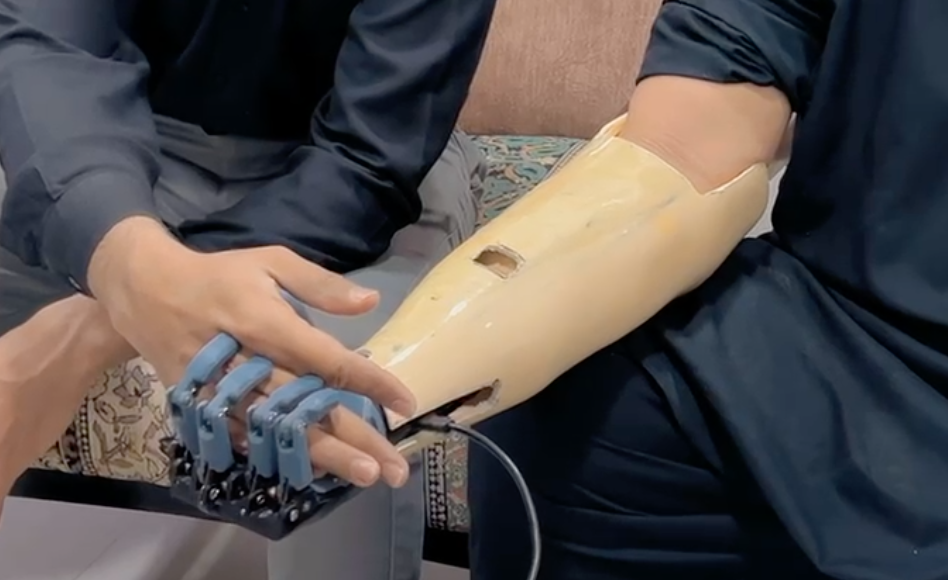
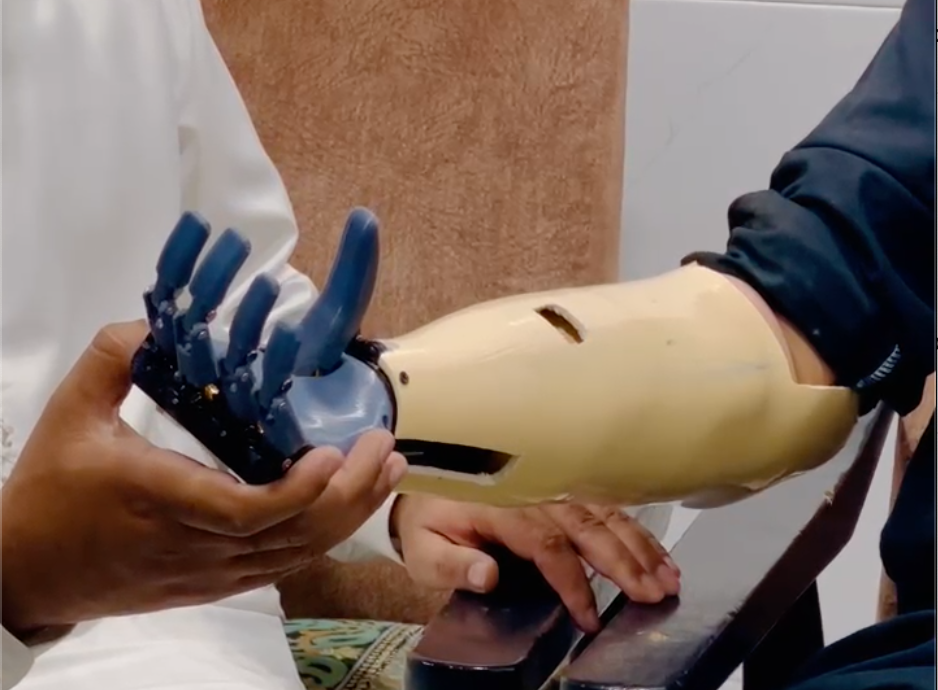
Clinical experts explained that the prosthetic socket was carefully custom-fabricated to ensure proper comfort and control. The robotic prosthetic hand was then integrated with technical support from Arm Rehab Technologies, a research initiative developing affordable robotic rehabilitation solutions.
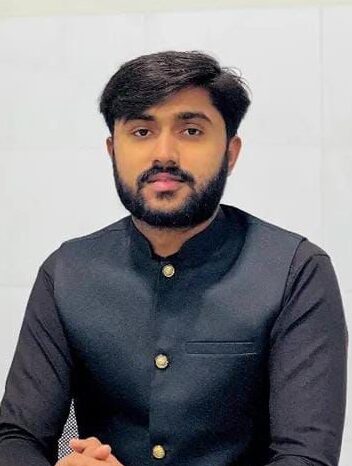
The fabrication, assembly, and fitting of the device were carried out under the team of Prosthetists lead by Muhammad Aftab, In-charge Orthoprosthetist. The clinical team included OrthoProsthetist Areej Fatima and OrthoProsthetist Muhammad Ali Khan, who collaborated to complete the prosthetic fitting and training process.
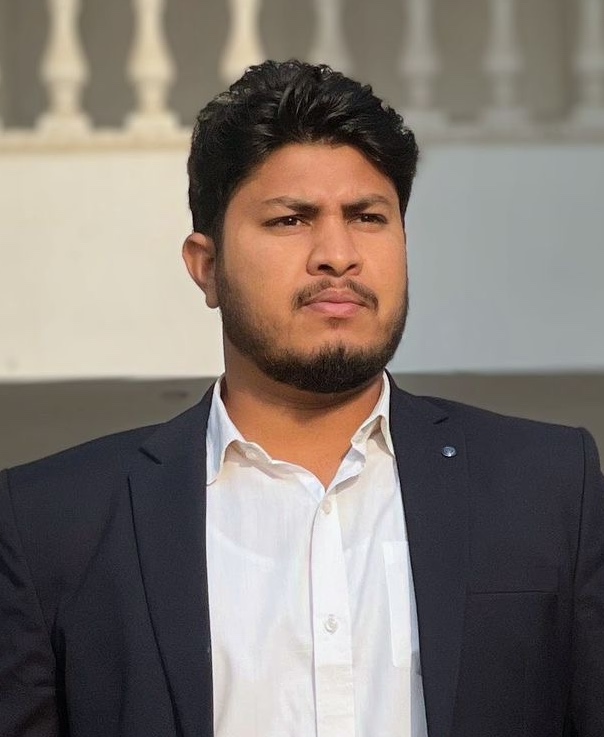
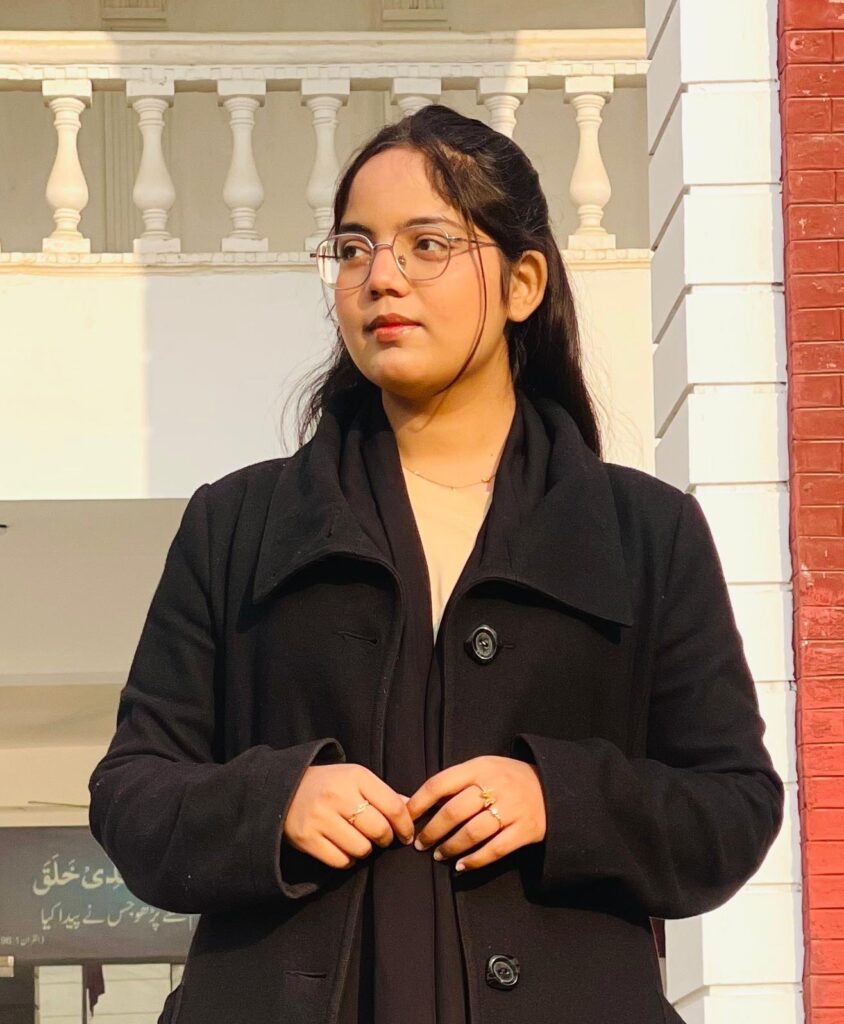
The orthotics and prosthetics service at the hospital operates under the supervision of renowned hand orthopedic surgeon Dr. Tahseen Ahmed Cheema, who oversees rehabilitation services including prosthetic limbs and orthopedic braces for patients with limb loss, fractures, cerebral palsy, and other musculoskeletal conditions.
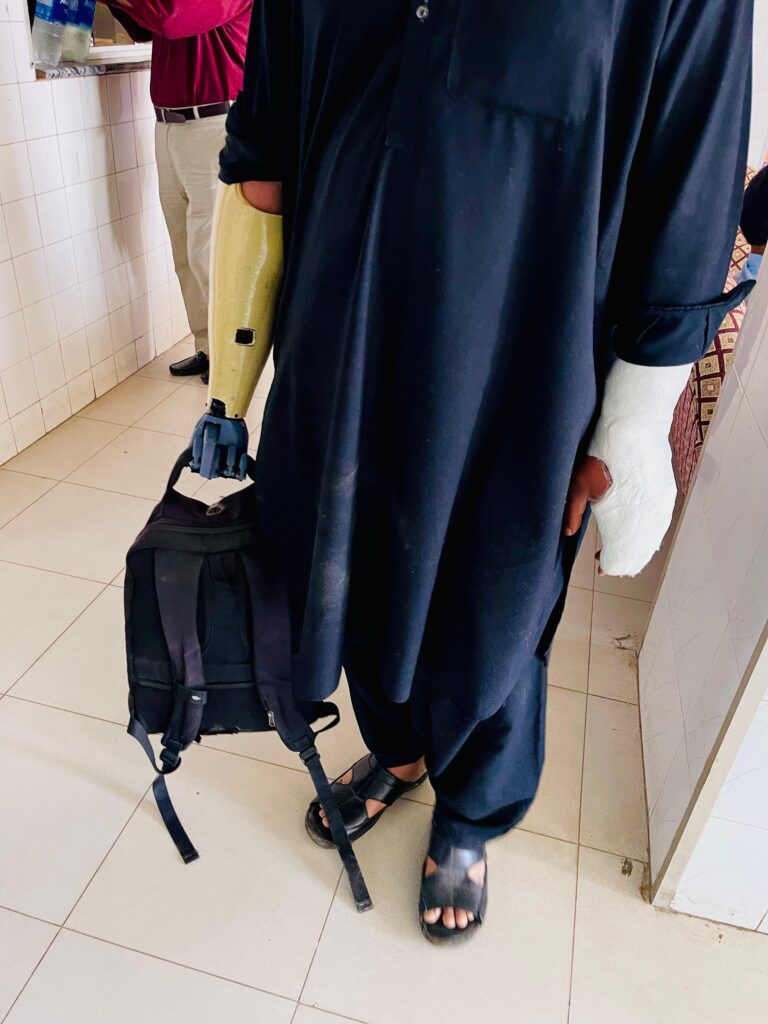
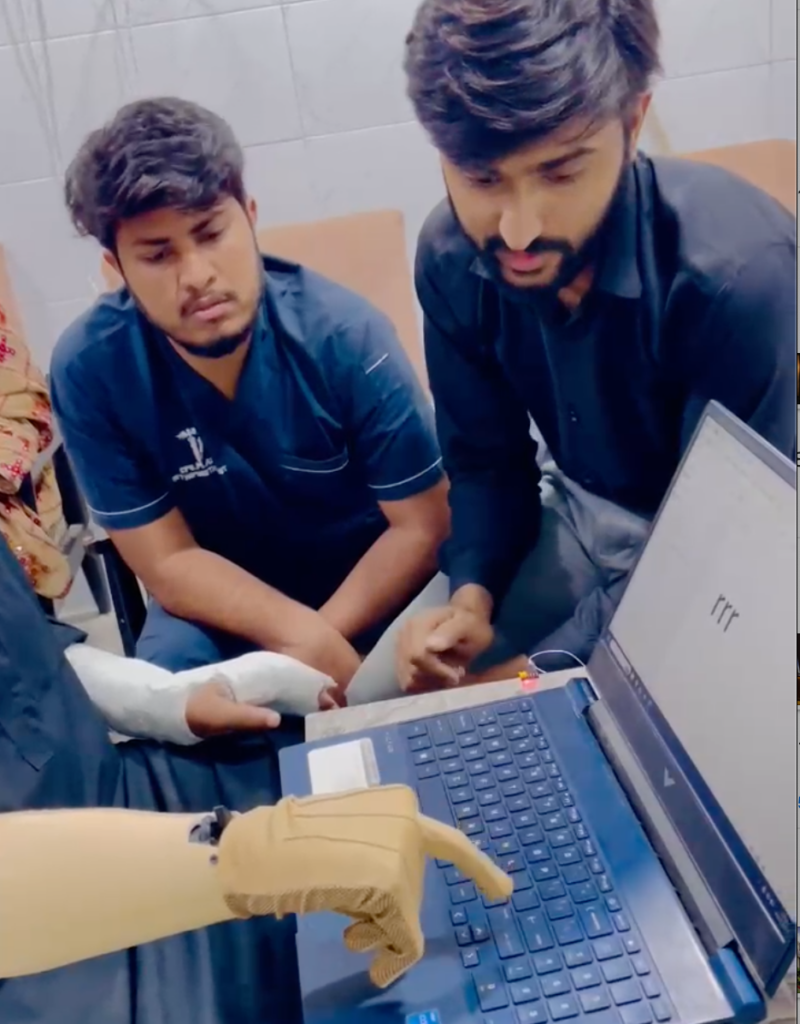
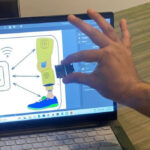
During rehabilitation training, Rashid was able to perform several everyday tasks using the device, including using a laptop, eating, drinking, and lifting objects weighing up to five kilograms.
According to the clinical team, this case represents the locally supported fitting of a myoelectric hand prosthesis in South Punjab using locally integrated technology. To make the device sustainable and accessible, the patient has also been provided five years of free repair services, while all necessary accessories and maintenance support are available within Pakistan.
Expressing satisfaction with the outcome, the patient said the prosthetic hand has helped him regain confidence and independence in daily life. He shared that after a year of living with limb loss, the ability to perform routine tasks again feels like a return to normal life.
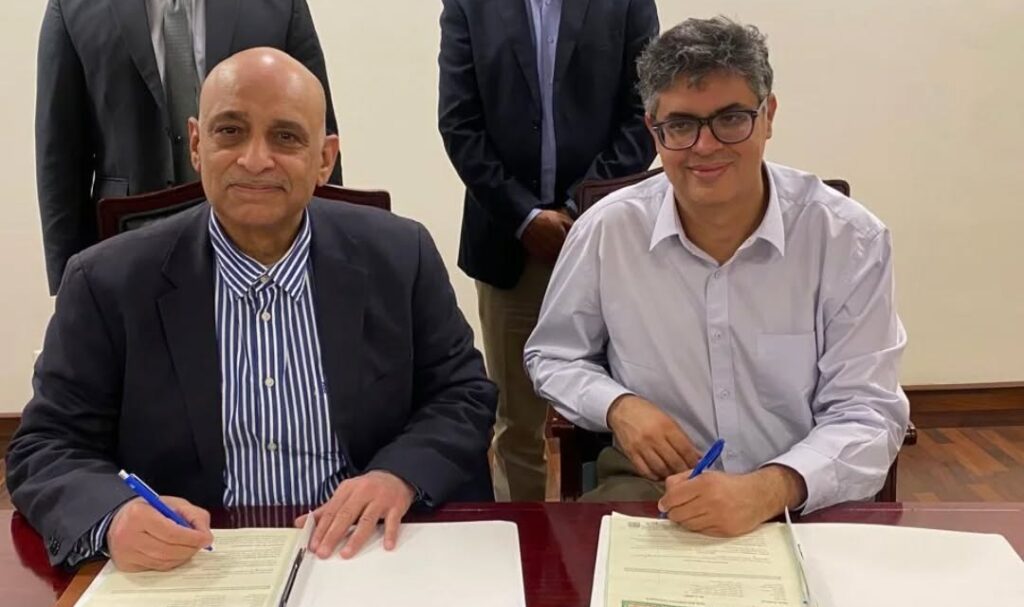

Muhammad aftab
Thank you soo much Irtaza kazmi shb the mentor for giving us opportunity to show our skills to the world