Now Reading: Advancing Rehabilitation Through Orthotics: 8th International Physical Medicine & Rehabilitation Summit 2026 in Karachi
-
01
Advancing Rehabilitation Through Orthotics: 8th International Physical Medicine & Rehabilitation Summit 2026 in Karachi
Advancing Rehabilitation Through Orthotics: 8th International Physical Medicine & Rehabilitation Summit 2026 in Karachi
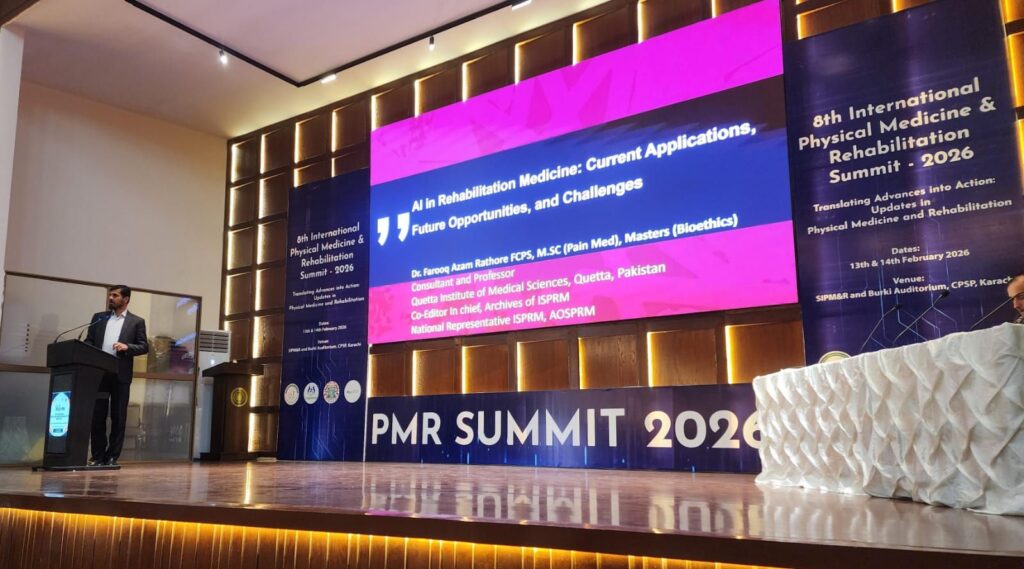
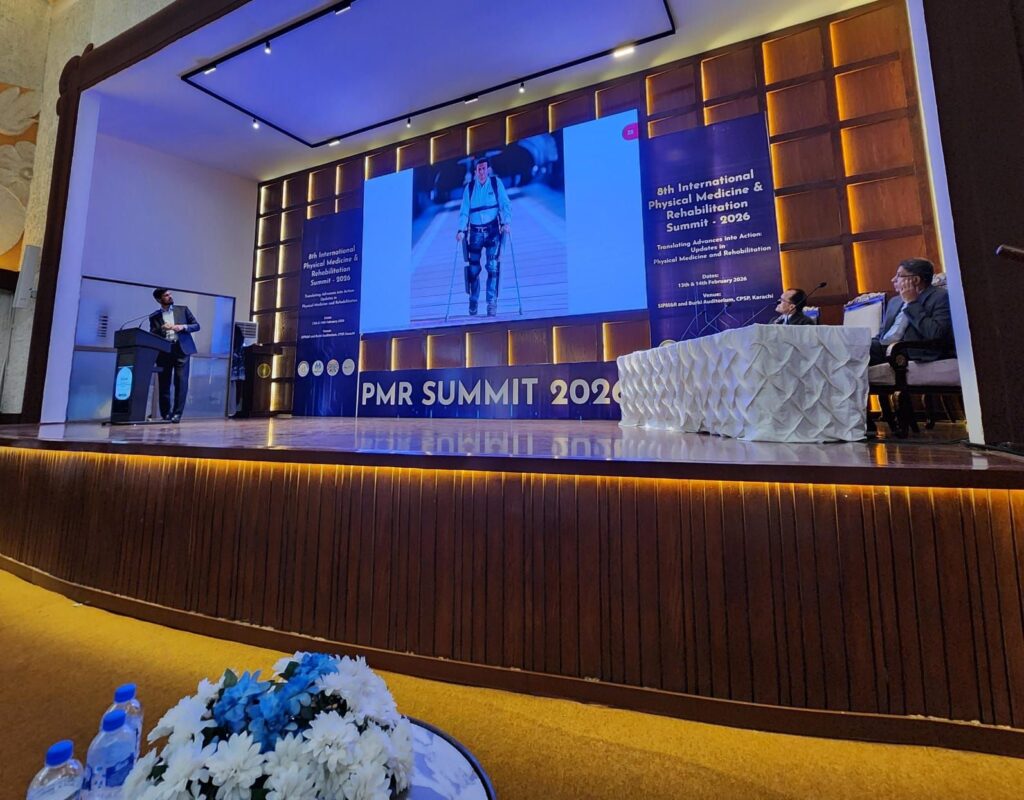
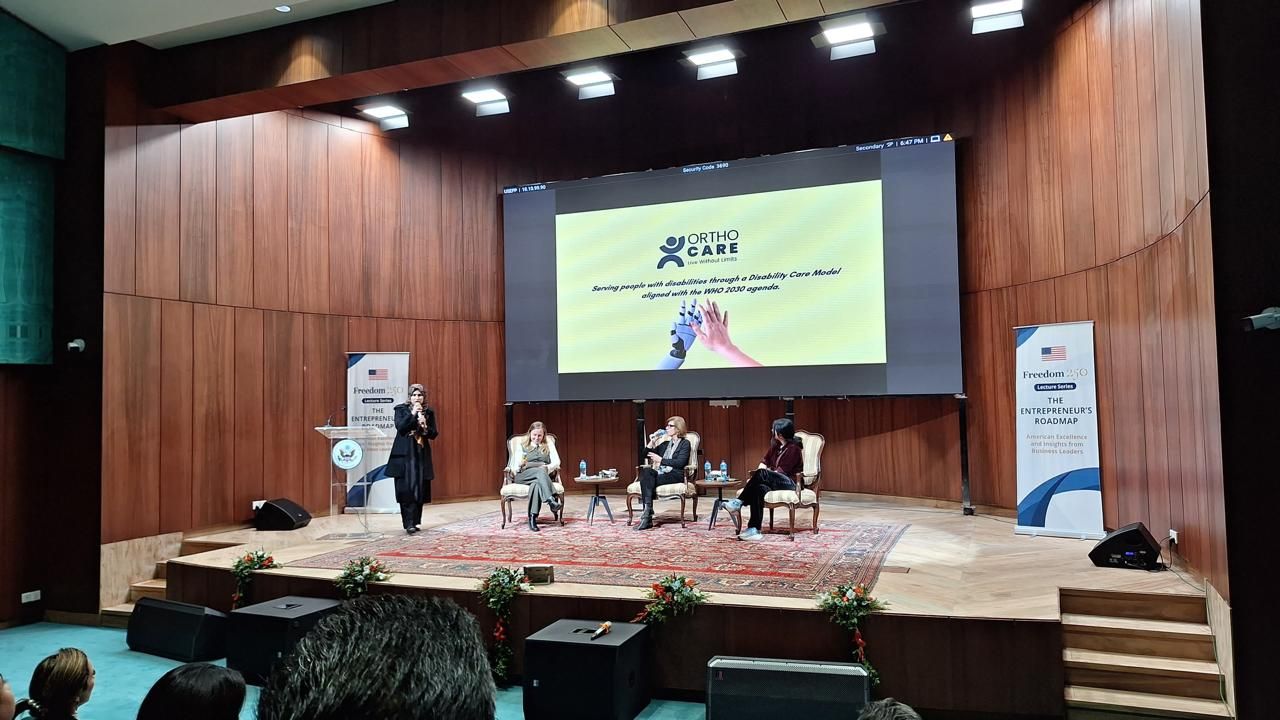
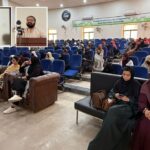
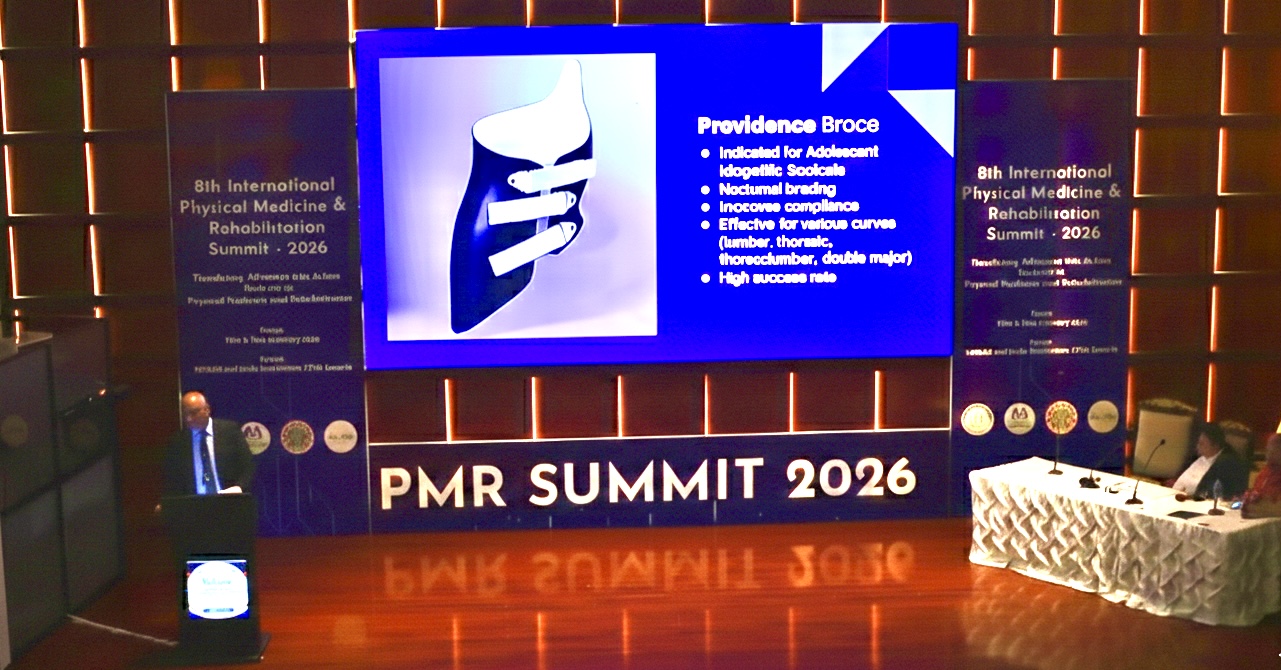
Karachi witnessed a significant academic milestone in rehabilitation sciences as the 8th International Physical Medicine & Rehabilitation (PMR) Summit 2026 concluded successfully at the College of Physicians and Surgeons Pakistan (CPSP) Head Office, organized by the Sindh Institute of Physical Medicine and Rehabilitation (SIPMR) under the leadership of Professor Dr. Nabila Soomro. The summit brought together national and international experts to discuss evolving clinical practices and translate scientific advances into practical rehabilitation solutions.
Held under the theme “Translating Advances into Action: Updates in Rehabilitation Medicine,” the summit served as a multidisciplinary platform for physicians, orthotists, prosthetists, physiotherapists, occupational therapists, and rehabilitation researchers. International faculty representing Turkey, Malaysia, Hong Kong, the United Arab Emirates, and the United Kingdom participated alongside leading Pakistani professionals, reflecting the growing global integration of rehabilitation medicine.
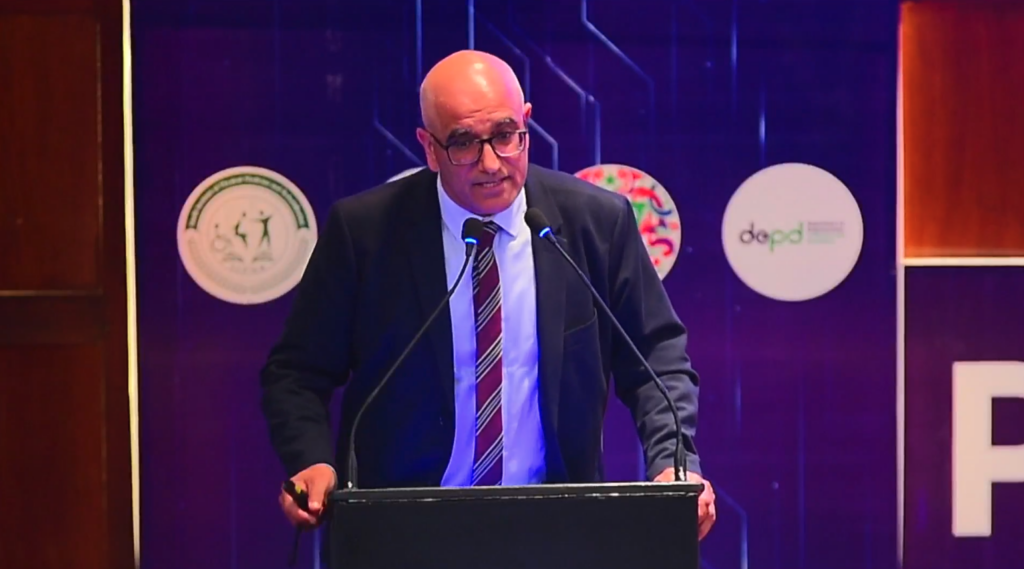
The scientific program featured keynote lectures, expert panel discussions, and evidence-based clinical sessions aimed at bridging the gap between research innovation and day-to-day patient care — a central challenge faced by rehabilitation systems worldwide.
Orthotics emerges as a key focus area
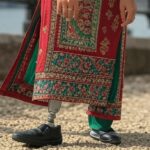
Among the most impactful components of the summit was the dedicated academic emphasis on orthotics in modern rehabilitation, particularly within pediatric care. A specialized workshop titled “Role of Orthotics in Pediatric Rehabilitation” highlighted the expanding clinical importance of orthotic interventions in improving mobility, posture, and functional independence among children with neuromuscular and developmental conditions.
Facilitated by Senior Orthotist Prosthetist Mr. Shad Mohammad Khan (UAE), the session explored:
- Advanced clinical assessment methods for pediatric orthotic prescription
- Evidence-based casting and fabrication techniques
- Biomechanical principles guiding orthosis design
- Functional outcome optimization through interdisciplinary rehabilitation planning
Participants engaged in detailed discussions on how properly designed orthotic devices can significantly reduce secondary deformities, enhance gait efficiency, and support long-term rehabilitation outcomes. The workshop also emphasized the need for standardized clinical protocols and stronger collaboration between physicians and orthotics professionals in Pakistan.
Growing recognition of Orthotics & Prosthetics in Pakistan
Experts noted that Pakistan’s rehabilitation sector is undergoing gradual transformation, with orthotics increasingly recognized as a core component of comprehensive rehabilitation rather than a supportive add-on service. Discussions during the summit highlighted challenges such as workforce shortages, training standardization, and limited clinical awareness — while also identifying opportunities through academic collaboration and international knowledge exchange.
Speakers stressed that strengthening orthotic services is essential to addressing the country’s rising burden of disability caused by neurological disorders, congenital conditions, trauma, and chronic musculoskeletal diseases.
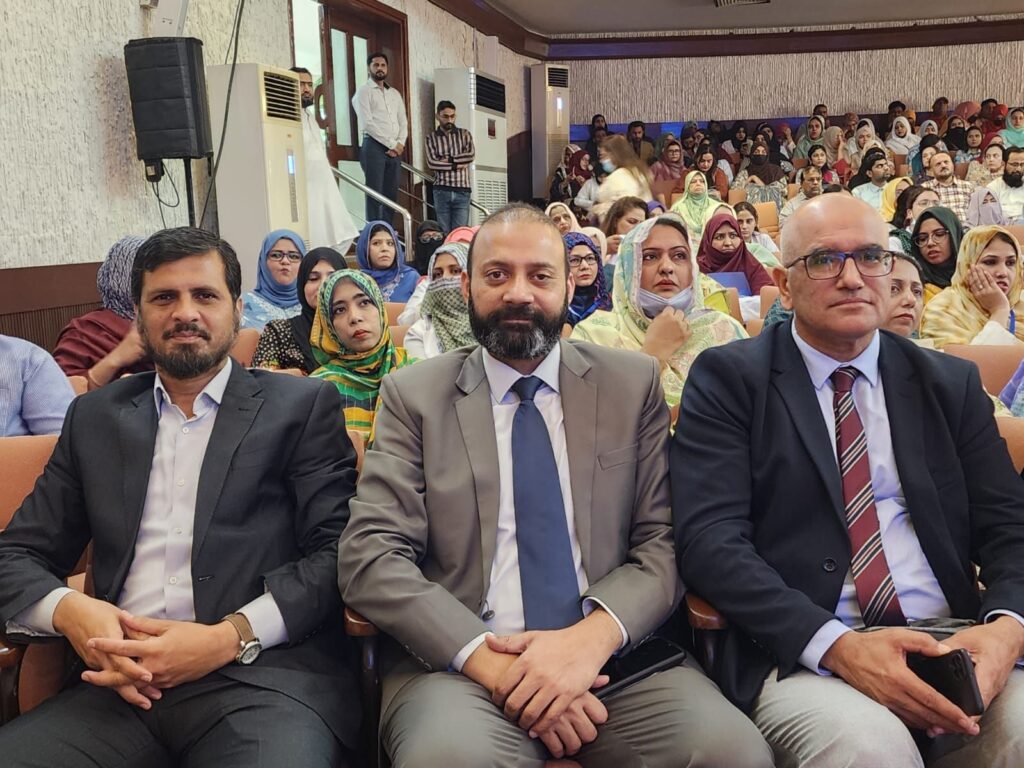
The evening sessions concluded with interactive networking discussions, allowing clinicians and researchers to exchange clinical experiences and explore collaborative training initiatives. Delegates described the summit as a timely academic gathering that reinforced evidence-based rehabilitation practices and encouraged regional cooperation.
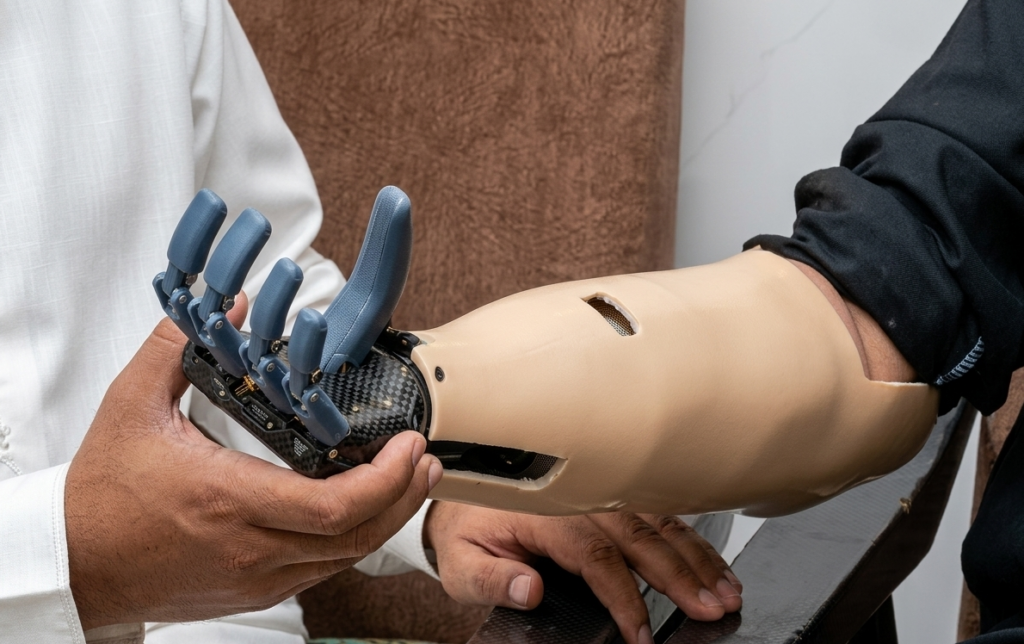
Organizers emphasized that such international forums are critical for advancing rehabilitation medicine in Pakistan, particularly by integrating assistive technologies and orthotic innovations into mainstream healthcare delivery.
The 8th PMR Summit 2026 successfully reaffirmed the role of interdisciplinary learning in improving patient outcomes. With orthotics gaining increasing academic and clinical attention, the event marked an important step toward strengthening rehabilitation services and promoting functional independence for persons with disabilities across Pakistan.
As rehabilitation medicine continues to evolve globally, gatherings like this summit signal a growing commitment within Pakistan’s healthcare community to transform scientific advances into real-world clinical impact.