
UN General Assembly Adopts Pakistan-Led Resolution on Access to Assistive Technology
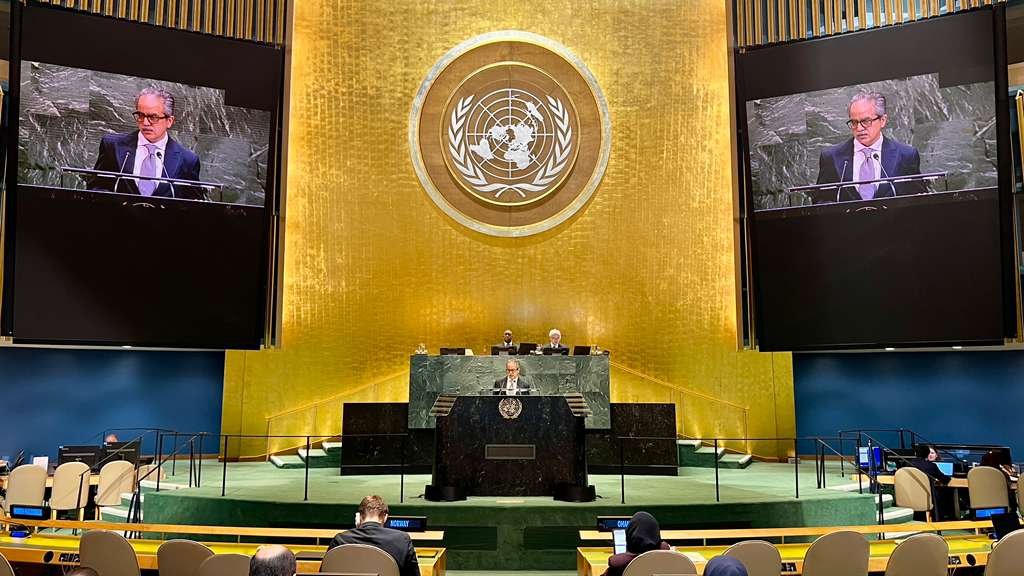

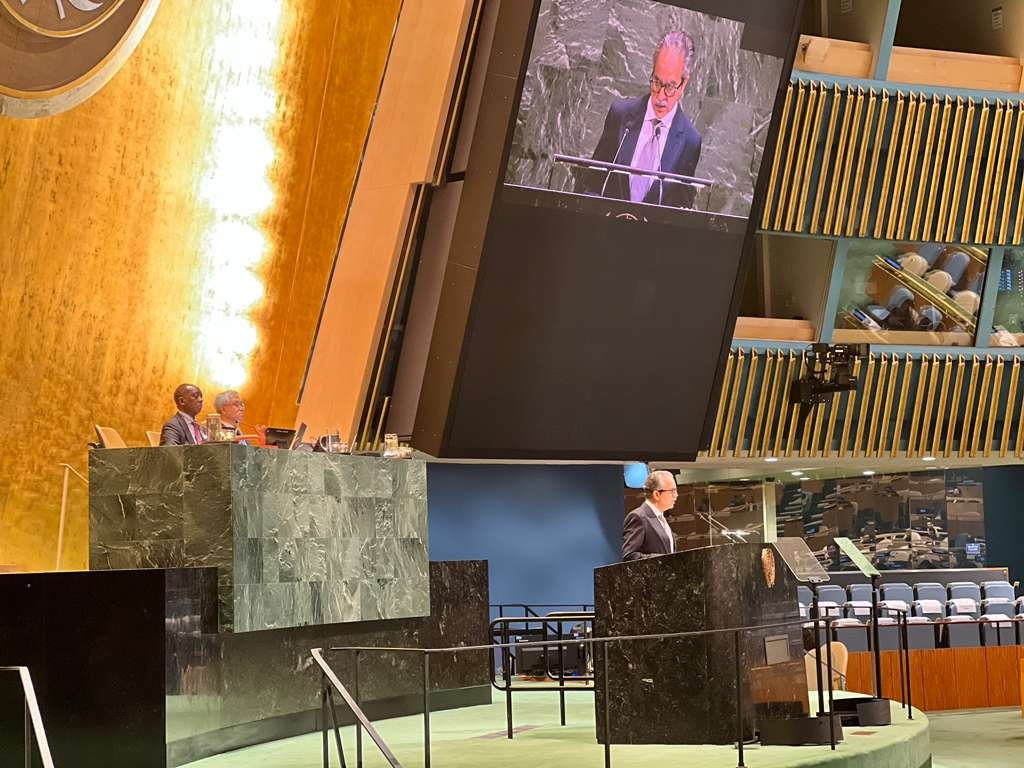
WASHINGTON — The United Nations General Assembly has adopted by consensus a landmark Pakistan-led resolution aimed at improving global access to affordable assistive technology, particularly in developing countries.
Titled “Access to Assistive Technology,” the resolution is the first-ever UN General Assembly resolution specifically dedicated to assistive technology, marking an important milestone for millions of people who rely on assistive products and services to live, learn, work and participate independently in society.
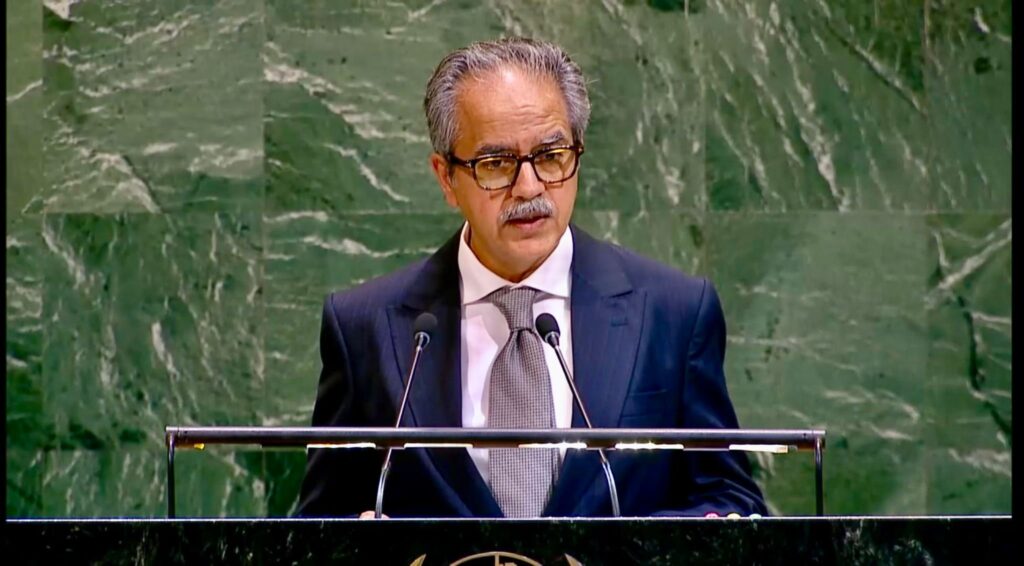
Introducing the resolution, Pakistan’s Permanent Representative to the United Nations, Ambassador Asim Iftikhar Ahmad, noted that approximately 2.5 billion people worldwide require one or more assistive products, devices or related services. Despite this significant need, millions continue to face barriers to accessing appropriate technology.
These barriers include high costs, limited availability, inadequate infrastructure and services, restricted access to technology and shortages of trained personnel.
Assistive Technology: A Bridge to Independence
Assistive technology encompasses a broad range of products, technologies and services, including wheelchairs, prosthetic limbs, orthoses, hearing aids, communication devices, screen readers and other digital solutions.
For children, access to appropriate assistive technology can support education and participation in school. For adults, it can facilitate employment and independence, while for older people it can help maintain mobility, autonomy and quality of life.
The resolution recognises that assistive technology is much more than a collection of medical devices.
Ambassador Ahmad described it as “the bridge between dependence and independence; between exclusion and participation; between potential and opportunity.”
For the global Orthotics and Prosthetics (O&P) community, this recognition is particularly significant. Prosthetic limbs, orthotic devices, mobility aids and related rehabilitation services are essential components of assistive technology and can directly influence a person’s mobility, independence, education, employment and social participation.
Focus on Developing Countries
The UN resolution places particular emphasis on developing countries, where access to quality and affordable assistive technology remains a major challenge.
It calls for increased international cooperation, financing and technical assistance to help countries overcome resource limitations, strengthen services and improve access to appropriate technologies.
The resolution also connects assistive technology with broader global development priorities, including healthcare, education, employment, social protection and inclusion.
Assistive Technology in Emergencies
Importantly, the resolution recognises that the need for assistive technology does not disappear during emergencies.
Countries are encouraged to integrate assistive technology into humanitarian preparedness and response, including situations involving armed conflict, natural disasters and other emergencies.
This is particularly relevant to rehabilitation and O&P services, where the loss or damage of mobility and assistive devices during emergencies can have a profound impact on independence and access to essential services.
Pakistan’s Continued Leadership
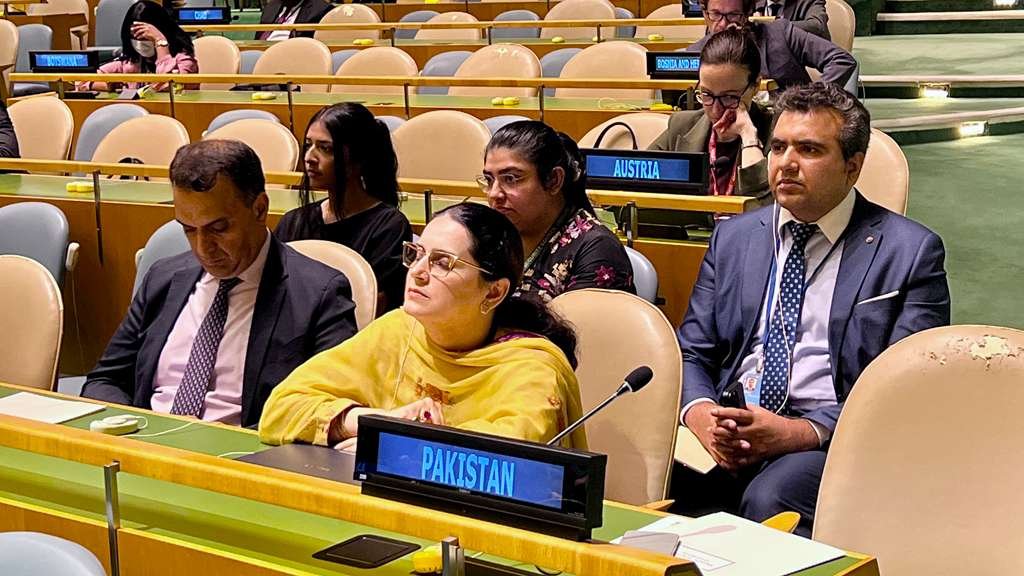
The resolution was drafted and negotiated by Counsellor Saima Saleem, Pakistan’s first visually impaired career diplomat and a user of assistive technology.
Her personal experience brought an important lived perspective to an international initiative focused on independence, equal opportunity and participation.
Pakistan has previously played a significant role in advancing assistive technology at the global level. In 2018, Pakistan initiated World Health Assembly Resolution 71.8, which focused on improving access to assistive technology and was also adopted by consensus.
The latest UN General Assembly resolution builds on that earlier effort and elevates access to assistive technology to a broader global development and inclusion agenda.
A Significant Moment for the O&P Profession
For Orthotists, Prosthetists, rehabilitation professionals, assistive technology specialists and disability advocates, the resolution represents an important international recognition of a principle that has long been central to rehabilitation:
Access to appropriate assistive technology is not simply about providing a device — it is about enabling participation, independence and opportunity.
The adoption of the resolution provides renewed momentum for governments, healthcare systems, manufacturers, educators and rehabilitation professionals to work together toward affordable, accessible, appropriate and sustainable assistive technology services for all.
Source : https://x.com/PakistanUN_NY
OPPAK is Pakistan's dedicated hub for orthotics and prosthetics since 2006— connecting students, professionals, patients and employers with credible news, education pathways, jobs, and success stories.
Related in News & Updates
ISPO Pakistan to Hold First Executive Body Meeting in Islamabad
AHPC Lists Universities Offering Orthotics & Prosthetics Programs in Pakistan

Leave a Reply